Discover your Chinese zodiac and Chinese New Year、Chinese Calendar in this place

Your Ultimate Chinese New Year Menu Guide: Traditions, Symbolism & Modern Twists
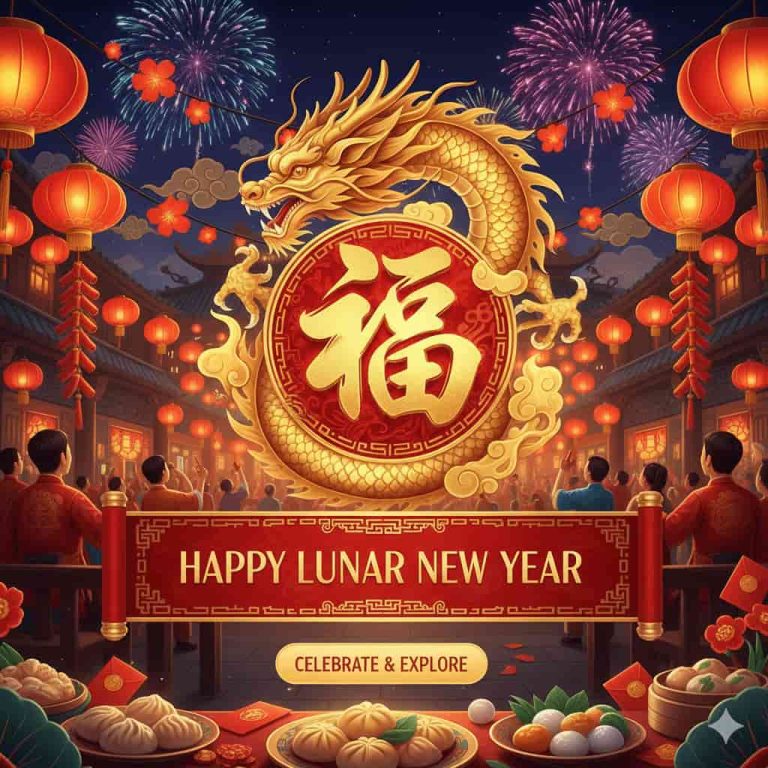
Alright, let’s talk about the real star of the Lunar New Year show: the food. Forget the fireworks for a second (okay, maybe don’t forget them entirely, they’re pretty cool). The heart of the reunion dinner and the days of feasting that follow is the Chinese New Year menu. It’s not just about filling bellies; it’s a delicious, symbolic language all its own. Every dumpling, every fish, every sticky cake is whispering wishes for prosperity, longevity, and good fortune for the year ahead. Think of it as edible Feng Shui. Here at ChineseFate, we love digging into the “why” behind the traditions, so you can host a feast that’s both authentically meaningful and totally mouthwatering.
Planning this menu can feel like a high-stakes culinary operation. You want to honor tradition, please the elders, maybe impress some friends, and actually enjoy the party yourself. Don’t sweat it! Whether you’re a seasoned pro or a curious newbie, this guide will walk you through the essential dishes, their hidden meanings, and how to build a spread that balances reverence with a dash of modern flair. Let’s make sure your Year of the Horse (that’s 2026, by the way!) starts on the most delicious note possible.
Mystic Dice Oracle
Roll the sacred dice to discover your fate
🎲
🎯
⭐
🌟
💫
🔮
🎲 Roll the Mystic Dice
Touch the dice to let fate decide your fortune
Consultations: 0
Dice Oracle
Consulting...
The mystic dice are rolling your fortune...
Please wait while the sacred dice reveal your destiny
The Philosophy of the Feast: It’s All in the Name
First rule of Chinese New Year menu club: pronunciation is destiny. Many foods are eaten purely because their names sound like auspicious phrases. It’s a glorious game of culinary homophones. For example, fish (鱼, yú) sounds like “surplus” (余, yú). So eating fish isn’t just a healthy protein choice; it’s a wish for abundance and surplus wealth in the coming year. You literally want to have fish left over! This principle guides the entire menu, turning dinner into a spoken incantation of good luck.
The Non-Negotiables: Classic Dishes for Your Chinese New Year Menu
These are the pillars. The dishes that, if missing, might make your grandma raise a skeptical eyebrow. They form the core of any traditional spread.
Whole Fish (整鱼, Zhěng Yú): As mentioned, this is the superstar. It’s usually steamed (for a healthy, prosperous flow) and served whole—head and tail intact—to symbolize a good beginning and end to the year. Saying “May you have fish every year” (年年有余, nián nián yǒu yú) is a classic New Year’s greeting. Pro tip: Don’t flip the fish over to eat the other side; that’s like capsizing your boat of fortune. Carefully lift the bones instead!
Dumplings (饺子, Jiǎozi): These little pockets of joy are shaped like ancient gold ingots. Making them is a family affair, and some families even hide a clean coin in one for an extra lucky find. More dumplings eaten means more wealth attracted. Check out our guide on family traditions for more on these bonding rituals.
🎨 Lucky Colors
Colors that bring you luck today
Red
Blue
Gold
Green
Purple
Black
Spring Rolls (春卷, Chūnjuǎn): Golden, crispy, and shaped like gold bars. Their name also includes “spring” (春, chūn), welcoming the new season. They’re the crunchy, savory promise of wealth and a fresh start.
Longevity Noodles (长寿面, Chángshòu Miàn): These are served uncut, as long as possible. The longer the noodle, the longer your life! Slurping them without breaking them is a fun (and messy) challenge that’s all about embracing that long-life wish.
Nian Gao (年糕, Sticky Rice Cake): The name is a pun on “year” (年, nián) and “high” (高, gāo). Eating it symbolizes rising higher in the new year—in promotion, growth, and overall fortune. It’s often steamed or pan-fried and can be sweet or savory.
Symbolic Sides & Sweets: Filling Out Your Lucky Spread
Beyond the mains, a constellation of smaller dishes adds layers of meaning and flavor to your Chinese New Year menu.
Chicken: Representing family togetherness and joy, often served whole. The word for chicken (鸡, jī) sounds like “good luck” or “auspicious” (吉, jí) in some dialects.
Vegetables like Lettuce (生菜, Shēngcài): The name sounds like “growing wealth” (生财, shēngcái). A simple stir-fry with garlic is a crunchy, lucky side.
Tangerines & Oranges: Their golden color means wealth, and their Chinese names sound like “luck” and “success.” They’re also given as gifts. If you’re a Rat or a Dragon looking for extra fortune in 2026, keep these on your table!
Sweet Rice Balls (汤圆, Tāngyuán): Eaten during the Lantern Festival, their round shape symbolizes family reunion and completeness.
Modern Twists & Dietary Tweaks: Honoring Tradition Your Way
Traditional doesn’t have to mean rigid. The spirit of the Chinese New Year menu is about auspiciousness and sharing, which you can absolutely achieve with modern interpretations.
For Vegetarians/Vegans: A whole steamed “fish” made from tofu or mushrooms can carry the same symbolic weight. Use mushrooms (which symbolize longevity) and lotus root (for connectedness) abundantly. Wealth can come in plant-based forms too!
Fusion Fun: How about dumplings filled with a mix of traditional pork and chives alongside some with a modern twist like Thai-inspired lemongrass chicken? Or use the sticky rice cake (Nian Gao) in a French toast style for a decadent brunch. The key is keeping the symbolic intent while playing with flavors.
Presentation is Key: Arrange dishes in lucky numbers (like eight for wealth). Use red plates or garnishes. Food is the energy (qi) for your new year, so make it look as vibrant as you want the year to feel!
⚡ Quick Fortune
Choose a category for instant guidance
Love
Career
Health
Money
What to Avoid: The Culinary No-Nos
Just as some foods attract luck, tradition suggests avoiding others. Porridge, for instance, might be eaten for breakfast, but not at the reunion dinner, as it was historically associated with poverty. Also, avoid breaking plates or glasses—it’s bad luck. But if you do, just quickly say “Sui Sui Ping An” (岁岁平安), meaning “peace every year,” as “breaking” (碎, suì) sounds like “year” (岁, suì). See? There’s a linguistic fix for everything!
Building Your Personalized Chinese New Year Menu Plan
Ready to plan? Here’s a simple framework for a reunion dinner for 6-8 people:
- Wealth & Prosperity: Whole Steamed Fish, Pan-Fried Spring Rolls.
- Family & Togetherness: Braised Whole Chicken, Platter of Dumplings (make it a group activity!).
- Longevity & Health: Stir-Fried Lettuce with Garlic, Longevity