Discover your Chinese zodiac and Chinese New Year、Chinese Calendar in this place

What Is My Chinese Zodiac Sign? Unlocking Your Cosmic Blueprint in the 12-Year Cycle
If you’ve ever asked, “What is my Chinese zodiac sign?” you’ve taken the first step into a world far richer than a simple personality label. Unlike Western astrology, which assigns a sign based on your month of birth, the Chinese Zodiac, or Shengxiao (生肖), is a complex system of destiny, time, and elemental philosophy that offers a profound lens for self-understanding. At ChineseFate, we approach this not as a parlor game, but as a centuries-old framework for interpreting character, compatibility, and life’s cyclical rhythms. Your sign is more than an animal; it’s a coordinate in a vast cosmic map defined by your lunar birth year, the ruling Element, and the ever-turning wheel of time. As we navigate 2026, the Year of the Fire Horse, understanding your sign becomes a key to navigating the unique energies of the present. This guide is designed for the curious Western mind, bridging cultural gaps to reveal how this ancient system can provide genuine, practical insight into your life’s path.
Beyond the Animal: What Your Chinese Zodiac Sign *Really* Means
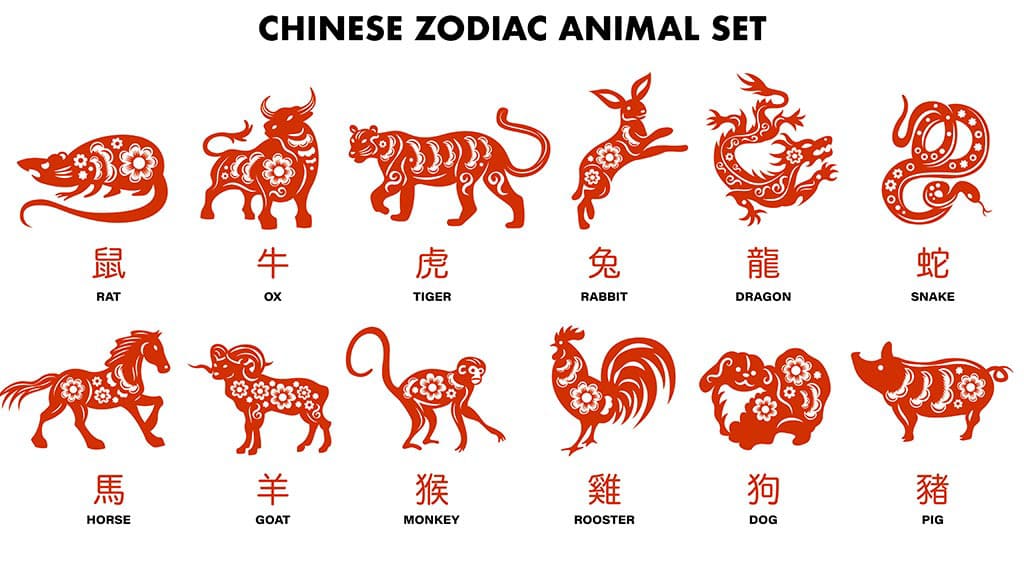
The most common answer to “what is my Chinese zodiac sign” stops at one of twelve animals: Rat, Ox, Tiger, Rabbit, Dragon, Snake, Horse, Goat, Monkey, Rooster, Dog, or Pig. But this is merely the surface layer. In traditional Chinese thought, your zodiac sign is a composite of three critical dimensions: the Animal Sign (the “what”), the Heavenly Stem Element (the “how”), and the Earthly Branch (the “when”). Think of it as a cosmic address. The animal describes your core personality archetype—your innate strengths, challenges, and social style. The Element (Wood, Fire, Earth, Metal, Water) modifies this archetype, adding a layer of temperament and energy. Finally, the specific year within the 60-year cycle pinpoints your exact placement in time’s grand pattern. This system doesn’t believe in a one-size-fits-all Rat; a Wood Rat (1984) exhibits different qualities than a Fire Rat (1996). Understanding this depth transforms the zodiac from a stereotype into a nuanced tool for self-discovery.
🐲 Zodiac Calculator
Enter your birth year to discover your Chinese zodiac animal
The Lunar Calendar: Why Your Birthday Month Doesn’t Matter (But the Year Does)
This is the most crucial technical point for Westerners. The Chinese Zodiac is based on the lunisolar calendar, not the Gregorian calendar. Your sign is determined by the Lunar New Year date, which falls between January 21 and February 20. This means if you were born in January or February, you must check the specific Lunar New Year date for your birth year. For example, someone born on January 25, 1990, is still under the sign of the Snake (1989’s zodiac), because the Lunar New Year in 1990 began on January 27. Getting this wrong assigns you the incorrect sign and element. This adherence to lunar time connects your identity to the rhythms of the moon and seasons, a fundamental concept in Chinese calendrical systems. It grounds your personality in a specific, celestial moment, not just a solar season.
The 12 Archetypes: A Western-Friendly Guide to Your Birth Animal
Each of the twelve animals represents a cluster of personality traits, social roles, and life lessons. To make this accessible, we can draw parallels to Western concepts like career aptitudes or relationship dynamics. Below is a detailed table that moves beyond simple traits to explore the core archetype, modern-life expression, and a relatable Western analogy.
| Zodiac Sign | Core Archetype | Key Personality Traits | Manifests in Modern Life As… | Western Analogy / Vibe |
|---|---|---|---|---|
| Rat (鼠) | The Resourceful Survivor | Quick-witted, charming, adaptable, thrifty, sometimes opportunistic. | The savvy entrepreneur, the networker who knows everyone, excellent in crisis management and quick-turnaround projects. | The start-up founder; high “Street Smarts” intelligence. |
| Ox (牛) | The Diligent Builder | Patient, reliable, determined, methodical, stubborn. | The cornerstone employee, the master craftsman, excels in long-term projects (engineering, architecture, farming), a pillar of stability. | The Stoic philosopher; the “rock” of the family or team. |
| Tiger (虎) | The Passionate Pioneer | Brave, competitive, confident, charismatic, can be impulsive. | The visionary leader, the adrenaline-seeking adventurer, thrives in sales, sports, or any field requiring bold action and magnetism. | The classic “hero” archetype; an ENTJ in MBTI. |
| Rabbit (兔) | The Diplomatic Peacemaker | Gentle, empathetic, artistic, cautious, seeks security. | The skilled therapist, diplomat, artist, or designer. Creates harmony in teams, excels in client-facing roles requiring tact. | The mediator (ENFJ/INFP); the “comfort zone” seeker. |
| Dragon (龙) | The Charismatic Innovator | Ambitious, passionate, lucky, visionary, can be arrogant. | The transformative CEO, the revolutionary artist, the trailblazing scientist. Drawn to large-scale, impactful endeavors. | The “disruptor”; possesses innate executive presence. |
| Snake (蛇) | The Wise Strategist | Intuitive, deep-thinking, graceful, mysterious, private. | The researcher, analyst, detective, or philosopher. Excels in fields requiring deep focus and pattern recognition (finance, tech, psychology). | The strategist (INTJ); possesses high “crystallized intelligence.” |
| Horse (马) | The Free-Spirited Achiever | Energetic, independent, popular, straightforward, restless. | The freelance consultant, the traveling sales director, the athlete. Needs autonomy and variety to thrive. | The “free agent”; high openness to experience. |
| Goat (羊) | The Creative Nurturer | Gentle, artistic, compassionate, anxious, prefers followership. | The gifted artist, musician, healer, or caregiver. Excels in supportive, creative, or humanitarian roles. | The artist (ISFP); high agreeableness and creativity. |
| Monkey (猴) | The Ingenious Problem-Solver | Clever, inventive, sociable, playful, can be mischievous. | The software engineer, the marketing genius, the entertainer. Masters complex systems and communicates ideas with wit. | The “hacker” mindset; high fluid intelligence and humor. |
| Rooster (鸡) | The Meticulous Organizer | Observant, hardworking, punctual, critical, proud. | The project manager, the critic, the surgeon, or military officer. Brings order, precision, and high standards. | The meticulous planner (ISTJ); high conscientiousness. |
| Dog (狗) | The Loyal Guardian | Loyal, honest, responsible, anxious, morally driven. | The dedicated nurse, social worker, lawyer, or security professional. The ultimate team player who defends justice. | The “guardian” (ESFJ/ISFJ); high loyalty and integrity. |
| Pig (猪) | The Generous Epicurean | Generous, diligent, pleasure-loving, trusting, naive. | The philanthropist, the chef, the skilled tradesperson in a sought-after field. Finds joy in material and sensual pleasures, often prosperous. | The “bon vivant”; high kindness and enjoyment of life’s comforts. |
This framework shows that asking “what is my Chinese zodiac sign” is akin to asking “what is my primary mode of engaging with the world?” A Rabbit and a Tiger, for instance, have fundamentally different approaches to risk, conflict, and social interaction, which can predict friction or synergy in relationships and career choices.
The Five Elements: The Missing Key to Your True Zodiac Profile
If the animal is the noun, the Element is the adjective. The Five Elements (Wood, Fire, Earth, Metal, Water) are not static substances but phases of energy, each with a unique character. Your birth year’s Element modifies your animal’s base traits. The 60-year cycle arises from pairing the 12 animals with the 5 Elements, creating 60 unique sign-element combinations. For example, a Fire Tiger (1986) is explosive, dramatic, and a natural leader, while an Earth Tiger (1938, 1998) is more stable, strategic, and grounded in their ambition. This explains why two people with the same animal sign can feel so different. The table below deciphers how each Element “flavors” your core zodiac personality.
| Element | Energy & Analogy | Positive Influence on Zodiac Sign | Challenge / Shadow Side | Example: How it modifies a “Horse” |
|---|---|---|---|---|
| Wood | Growth, Expansion, Vision. Like a growing tree. | Adds idealism, creativity, and a desire to nurture others. Flexible and forward-thinking. | Can become over-idealistic, scattered, or prone to taking on too much. | Wood Horse: An adventurous idealist, likely in environmental or social causes, seeking growth through travel. |
| Fire | Passion, Dynamism, Charisma. Like a flame. | Adds enthusiasm, courage, and inspirational leadership. Magnetic and action-oriented. | Can be impulsive, dramatic, or prone to burnout from excessive energy output. | Fire Horse (2026): The ultimate free spirit, intensely passionate and independent, but with a volatile temper. |
| Earth | Stability, Nurturing, Practicality. Like fertile soil. | Adds reliability, patience, and a practical, methodical approach. Grounding and supportive. | Can become stubborn, resistant to change, or overly focused on material security. | Earth Horse: A more stable and patient Horse, likely in construction or logistics, valuing steady progress over reckless speed. |
| Metal | Discipline, Structure, Precision. Like a refined sword. | Adds focus, determination, and a strong sense of ethics and order. Resilient and principled. | Can be rigid, critical, or overly controlling. May struggle with flexibility. | Metal Horse: A disciplined achiever, perhaps in the military or law, driven by codes of honor and precision in their work. |
| Water | Wisdom, Adaptability, Flow. Like a river. | Adds intuition, persuasiveness, and a calm, strategic mind. Adaptable and insightful. | Can be overly emotional, secretive, or prone to going with the flow to a fault. | Water Horse: A persuasive communicator, perhaps in diplomacy or counseling, using charm and intuition to navigate obstacles. |
This elemental layer is why a comprehensive Chinese astrology reading is so nuanced. It’s the interplay between your innate animal nature and the elemental energy you were born under that creates your unique profile.
📅 Daily Horoscope
Select your zodiac sign to get personalized predictions for today
♈
Aries
♉
Taurus
♊
Gemini
♋
Cancer
♌
Leo
♍
Virgo
♎
Libra
♏
Scorpio
♐
Sagittarius
♑
Capricorn
♒
Aquarius
♓
Pisces
Practical Application: Using Your Sign for Career, Relationships, and Self-Growth
Knowing your sign is interesting, but applying it is transformative. Let’s move beyond fortune-telling to strategic life insight.
Career and Vocation
Your zodiac archetype points to innate aptitudes. A Dragon or Rat may chafe in a rigid, bureaucratic role but thrive in entrepreneurial ventures. A Snake or Ox excels in deep, analytical work requiring patience. A Rabbit or Goat finds fulfillment in creative or caring professions. This isn’t about limitation, but about alignment. Understanding this can guide career pivots, team role assignments, and even investment in certain skills. For instance, our analysis of successful entrepreneurs in tech hubs shows a disproportionate number of Monkeys and Rats—signs embodying adaptability and clever problem-solving—especially when combined with a Metal or Water element for strategic depth.
Relationships and Compatibility
Compatibility in Chinese Zodiac is based on the concept of “harmonious triangles” and “clashes.” Certain signs naturally support each other (e.g., Rat, Dragon, Monkey), while others have inherent friction (e.g., Goat and Ox). This isn’t a doom sentence for relationships but a map of potential challenges and synergies. A clash pairing (like a Horse and a Rat) may require more conscious communication to bridge differing values of freedom versus security. A harmonious pairing may find easy understanding. This framework can be applied to business partnerships, friendships, and family dynamics. For a deep dive into your sign’s connections, explore our guide on the 12 zodiac signs and their cycles.
Personal Growth and Challenges
Each sign has a “shadow” or challenge. The Tiger’s bravery can tip into recklessness. The Rabbit’s caution can become avoidance. The Rooster’s precision can devolve into criticism. Knowing this allows for conscious self-work. Your zodiac sign, therefore, outlines not just your strengths but your primary life lesson. A Pig’s lesson might be to cultivate discernment alongside its generous trust. A Dog’s lesson might be to manage anxiety while upholding its noble loyalty.
The Grand Cycle: Your Sign in the Context of 2026 and Beyond
Your personal zodiac operates within the larger “Zeitgeist” of the annual sign. 2026 is the Year of the Fire Horse, an energy of immense passion, sudden change, and a drive for freedom. This will impact everyone differently based on their own sign’s relationship to the Horse. For some signs (like the Tiger or Dog), it’s a year of exciting opportunity and alliance. For others (like the Rat), it may feel like a year requiring extra adaptability. Understanding this interplay helps you navigate the collective mood—is it a year to launch bold ventures (good for Dragons in a Horse year) or to consolidate and plan (wiser for some Goats)? This is where Chinese astrology becomes a practical tool for timing life decisions.
To see how the Fire Horse year specifically influences you, consulting your annual horoscope for your sign is invaluable. It provides a personalized forecast that considers both the annual energy and your personal elemental makeup.
🎲 Lucky Numbers
Get your fortune numbers for today
Common Misconceptions and Cross-Cultural Insights
Many Westerners approach the Chinese Zodiac with understandable misconceptions. Let’s clarify:
- Myth 1: It’s just like Western astrology. While both are symbolic systems, Western astrology is based on the position of celestial bodies at your time of birth, focusing on psychological motivation. The Chinese Zodiac is based on cyclical time (the year), focusing on destiny, behavior, and practical life outcomes.
- Myth 2: Your sign dictates an unchangeable fate. This is a fatalistic misinterpretation. Traditional Chinese thought views destiny (ming) as a combination of predetermined factors and the freedom of your actions (yun). Your zodiac gives you your “hand of cards”; how you play them is up to you. It’s a map, not a prison sentence.
- Myth 3: The animal descriptions are absolute. As we’ve shown, the Element drastically changes the expression. Furthermore, a complete Chinese astrology chart considers the month, day, and hour pillars, creating a complex portrait that no single animal can capture.
Your Next Step: From Curiosity to Understanding
Asking “what is my Chinese zodiac sign” has led you to the threshold of a profound cultural and philosophical system. You now know it’s not a party trick, but a multi-layered framework for understanding personality, compatibility, and your place in the flow of time. You’ve seen how the Element modifies your core animal, how the lunar calendar defines you, and how this knowledge can be applied to real-world decisions in career and relationships.
The journey into self-knowledge is endless. At ChineseFate, we believe this ancient wisdom, when understood clearly, offers timeless tools for modern life. We invite you to move beyond the question and into exploration. Use our complete guides to delve into your sign’s mythology, explore your compatibility with others, or understand the forecast for the dynamic Year of the Fire Horse. Discover not just who you are said to be, but how that knowledge can empower who you choose to become.