Discover your Chinese zodiac and Chinese New Year、Chinese Calendar in this place

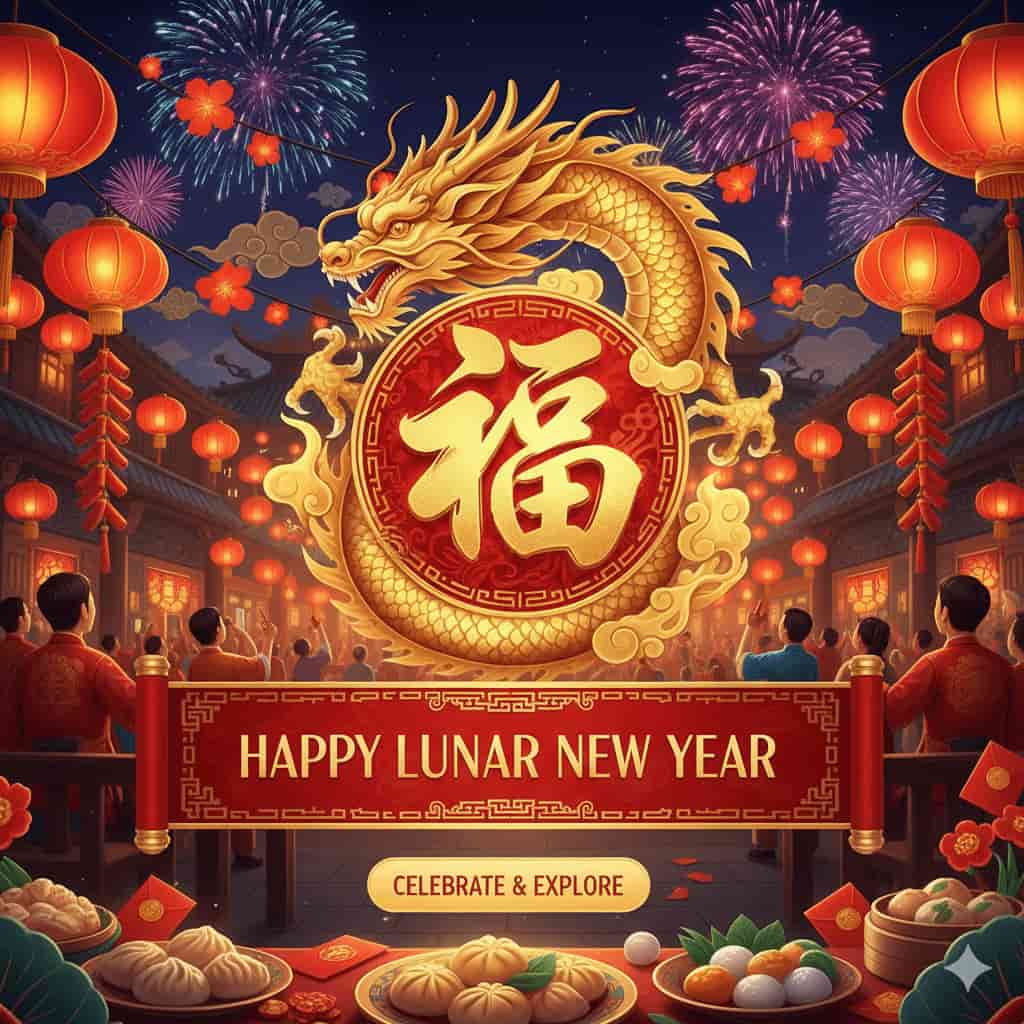
While the vibrant colors and thunderous drums of the Chinese New Year Lion Dance are a universal spectacle, its true power lies in the ancient symbolism woven into every movement and costume detail. Far more than mere entertainment, the lion dance is a meticulously choreographed ritual of blessing, protection, and communal renewal. It’s a living story where the lion isn’t just an animal, but a celestial guardian vanquishing misfortune and harvesting prosperity for the coming year. Understanding this hidden meaning transforms the performance from a show into a profound cultural experience, revealing why this tradition remains the heartbeat of Lunar New Year celebrations worldwide.
The dance’s origins are shrouded in legend, often tracing back to a mythical beast called Nian that terrorized villages. The people discovered the creature feared loud noises and the color red, leading to the use of firecrackers, red decorations, and a loud, colorful “lion” to scare it away. This evolved into a formalized performance to ward off evil spirits and bad luck at the start of each new lunar cycle. Today, the lion acts as a divine messenger, bringing blessings of fortune, longevity, and peace to every home and business it visits.
Mystic Dice Oracle
Roll the sacred dice to discover your fate
🎲
🎯
⭐
🌟
💫
🔮
🎲 Roll the Mystic Dice
Touch the dice to let fate decide your fortune
Consultations: 0
Dice Oracle
Consulting...
The mystic dice are rolling your fortune...
Please wait while the sacred dice reveal your destiny
The Two Lions: Distinguishing the Northern from the Southern Style
Not all lion dances are created equal. The tradition branched into two dominant styles, each with distinct characteristics, philosophies, and regional pride. Recognizing the difference is key to appreciating the art form’s diversity.
The Northern Lion (Bei Shi) originated in imperial courts and is often associated with acrobatic and martial prowess. Its appearance is more realistic, resembling a shaggy, playful Pekingese dog-lion hybrid. The Northern style frequently features a pair of lions, one male (with a red bow) and one female (with a green bow), and their dance focuses on playful interaction, impressive balancing acts, and lively gestures.
The Southern Lion (Nan Shi), more common globally, is the iconic, highly symbolic lion with a large, stylized head and a flowing, embroidered body. It is deeply rooted in folk tradition and Chinese martial arts schools. The Southern lion’s movements are more deliberate, miming emotions like curiosity, fear, joy, and anger, and its performance is rich with specific, meaning-laden rituals like “plucking the greens” (Cai Qing).
| Feature | Northern Lion (Bei Shi) | Southern Lion (Nan Shi) |
|---|---|---|
| Origin | Imperial Court Performances | Southern Chinese Folk & Martial Arts Traditions |
| Appearance | More realistic, furry, often golden | Stylized, large head, intricate embroidery |
| Typical Lions | Pair (Male & Female) | Often a single lion, or the three legendary lions |
| Movement Style | Acrobatic, playful, agile | Deliberate, expressive, martial arts-based |
| Key Ritual | Playful interaction, balancing | Cai Qing (Plucking the Greens) |
| Primary Focus | Entertainment & Display of Skill | Symbolic Blessing & Driving Away Evil |
Anatomy of a Lion: Decoding the Costume’s Symbolic Language
Every element of the Southern lion’s costume is a chapter in a book of blessings. The lion’s head is not just a mask; it’s a sacred object believed to house its spirit. Before a performance, a ceremony is often held to “dot the eye,” awakening the lion to life.
The colors are the first clue to the lion’s identity and purpose. The most common lion features a golden-yellow body and a multi-colored head, representing the legendary lion from which all others descended. However, specific colors denote different historical figures and virtues. For instance, a lion with a predominantly red head represents Guan Yu, the God of War and Wealth, symbolizing loyalty, courage, and prosperity. A black lion is associated with Zhang Fei, representing fierce power and uprightness, often used by martial arts schools to showcase strength.
The mirror on the forehead is designed to reflect and scare away evil spirits. The horn at the center signifies the unicorn, adding an element of mythical prowess. The elaborate embroidery features traditional symbols like phoenixes (renewal), dragons (power and good luck), and the Eight Trigrams (Bagua) for spiritual protection.
The Choreography of Fortune: A Step-by-Step Meaning of the Dance
The lion dance follows a narrative arc, a story told without words. It begins with the lion in a state of rest, often “sleeping.” The beating of the drums, cymbals, and gong (collectively, the “music of prosperity”) stirs it to life. The initial movements are slow and cautious, mimicking a creature waking and surveying its surroundings for danger—symbolizing the community’s vigilance.
The lion then displays a range of emotions: curiosity as it explores, playfulness as it interacts with the audience, and occasional mock fear. This emotional journey represents the ups and downs of life and the resilience needed to face the new year. The climax is the ritual of Cai Qing (採青), or “Plucking the Greens.” A bundle of fresh lettuce (representing wealth, as the word for lettuce, sang choi, sounds like “growing wealth”) and a red packet (lucky money) is hung high. The lion must “eat” the lettuce, chew it, and then “spit” the shredded leaves outward, symbolizing the spreading of wealth and prosperity to the onlookers. The final act is often a bow, a sign of respect and the completion of the blessing.
🎨 Lucky Colors
Colors that bring you luck today
Red
Blue
Gold
Green
Purple
Black
The Three Legendary Lions & Their Cosmic Roles
In the most traditional Southern Chinese interpretations, there are not one, but three legendary lions, each representing a fundamental cosmic principle and a historical hero from the classic “Romance of the Three Kingdoms.” This triad forms a complete system of blessing.
| Lion Name | Represented Hero | Primary Color | Symbolic Meaning | Virtue Bestowed |
|---|---|---|---|---|
| Liu Bei Lion | Liu Bei (The Noble Leader) | Yellow (with white beard) | Wisdom, Benevolence, Royal Authority | Leadership, Strategic Success |
| Guan Yu Lion | Guan Yu (The Warrior God) | Red (with black beard) | Loyalty, Righteousness, Wealth & Protection | Business Prosperity, Courage |
| Zhang Fei Lion | Zhang Fei (The Fierce General) | Black (with short black beard) | Raw Power, Ferocity, Uprightness | Strength to Overcome Obstacles |
Seeing all three lions perform together is considered an exceptionally powerful and complete blessing, covering all aspects of a successful life: wise leadership (Liu Bei), prosperous enterprise (Guan Yu), and the strength to defend it (Zhang Fei). This connects deeply to the character analysis found in the Chinese Zodiac system, where animal signs also embody sets of virtues and destinies.
Why the Drum, Cymbal, and Gong Are Not Just “Music”
The percussion troupe is the heartbeat and the commanding voice of the lion. Each instrument has a specific spiritual function. The deep, rhythmic drum represents the thunder that frightens evil spirits and sets the lion’s pace—its rhythm is the rhythm of life and fortune. The crashing cymbals mimic the sound of wind and are used to accentuate the lion’s powerful movements. The resonant gong commands attention and marks transitions in the performance, acting as a cosmic bell that clears negative energy.
Together, this cacophony is the “music of prosperity” (Fa Cai Gu). It’s believed that the louder and more vibrant the music, the more effectively it drives away the stagnant luck of the old year and attracts vibrant new qi (energy). The synergy between the lion dancers and the musicians is a masterclass in non-verbal communication and shared intent, much like the coordinated energy needed for a successful Spring Festival celebration.
Modern Evolutions: Lion Dance in the 21st Century
While rooted in ancient tradition, the lion dance is a living, evolving art. Today, it has expanded into competitive sport, with international competitions judging teams on difficulty, creativity, and execution of high-flying acrobatic stunts performed on elevated poles. This “extreme” version showcases incredible athleticism and has introduced the tradition to new global audiences.
Furthermore, lion dance troupes now perform for a wide array of occasions beyond Chinese New Year, including business openings, weddings, and cultural festivals, acting as a universal symbol of auspicious beginnings. The core meaning remains, but its application has broadened, demonstrating the tradition’s incredible adaptability and enduring relevance. This mirrors how other traditions, like the giving of red envelopes, have maintained their symbolic core while adapting to modern contexts.
🐲 Zodiac Calculator
Enter your birth year to discover your Chinese zodiac animal
How to “Read” a Lion Dance Like a Pro
Now that you know the hidden language, you can engage with any lion dance on a deeper level. Here’s your quick guide:
- Observe the Colors: Identify which legendary lion is visiting you. Red for Guan Yu? You’re getting a blessing for business and protection.
- Watch the Greens: The Cai Qing is the main event. The higher and more challenging the lettuce is hung, the greater the displayed skill and the more potent the symbolic “overcoming of obstacles” to reach prosperity.
- Feel the Music: Don’t just hear it; let the drum vibrate in your chest. It’s meant to reset your own energetic frequency for the new year.
- Accept the Spread: When the lion spits the shredded lettuce, it’s showering you with symbolic wealth. It’s good luck to be touched by these leaves!
This active viewing turns you from a passive spectator into a participant in a communal ritual of renewal, connecting you to the same philosophical currents that guide the Lunar Calendar.
FAQ: Your Chinese New Year Lion Dance Questions Answered
Q: Is the Lion Dance the same as the Dragon Dance?
A: No, they are distinct traditions. The Lion Dance usually involves two performers in one lion costume, focusing on miming animal behavior and blessing specific locations. The Dragon Dance involves many performers holding poles to maneuver a long, serpentine dragon, representing power over water and bringing rain for a good harvest. It’s a larger, processional spectacle.
Q: Why do people feed the lion red packets (lai see)?
A> The red packet, or lai see, contains “lucky money.” Feeding it to the lion is an exchange—the community offers a token of gratitude and sponsorship to the troupe, and in return, the lion bestows its concentrated blessing upon that business or home, amplifying the prosperity within the envelope. Learn more about the rules in our complete red packet guide.
Q: Can anyone learn to perform the lion dance?
A> Traditionally, it is taught within Chinese martial arts schools (kung fu academies) because the stances, strength, and discipline are rooted in martial arts. Today, many cultural centers and dedicated lion dance schools welcome students of all backgrounds who are willing to commit to the rigorous physical and cultural training.
Q: What’s the difference between the “sleeping lion” and “awake lion” routines?
A> The “sleeping lion” is a classic opening sequence where the lion appears dormant, then is gradually awakened by the music. It showcases control and character acting. The “awake lion” routine starts with the lion already lively and focuses more on acrobatics and the Cai Qing ritual. The former is about potential, the latter about action.
Q: How does the Lion Dance connect to my Chinese Zodiac sign?
A> While the lion itself is a mythical guardian outside the 12-animal zodiac cycle, the virtues it embodies—courage (Tiger), loyalty (Dog), wisdom (Snake), leadership (Dragon)—resonate with the traits of various Chinese Zodiac signs. The dance is a call for everyone, regardless of their birth year animal, to awaken these positive qualities within themselves for the new year.
In the end, the Chinese New Year Lion Dance is a kinetic prayer. It is community medicine, a blast of joyful noise and color meant to reset the spiritual atmosphere. It turns streets into temples and onlookers into a congregation. So next time you hear the unmistakable boom of the drum and see the lion’s blinking eyes, remember: you’re not just watching a performance. You are witnessing an ancient, unbroken spell for good fortune, a hidden meaning made magnificently visible, dancing right before your eyes.