Discover your Chinese zodiac and Chinese New Year、Chinese Calendar in this place

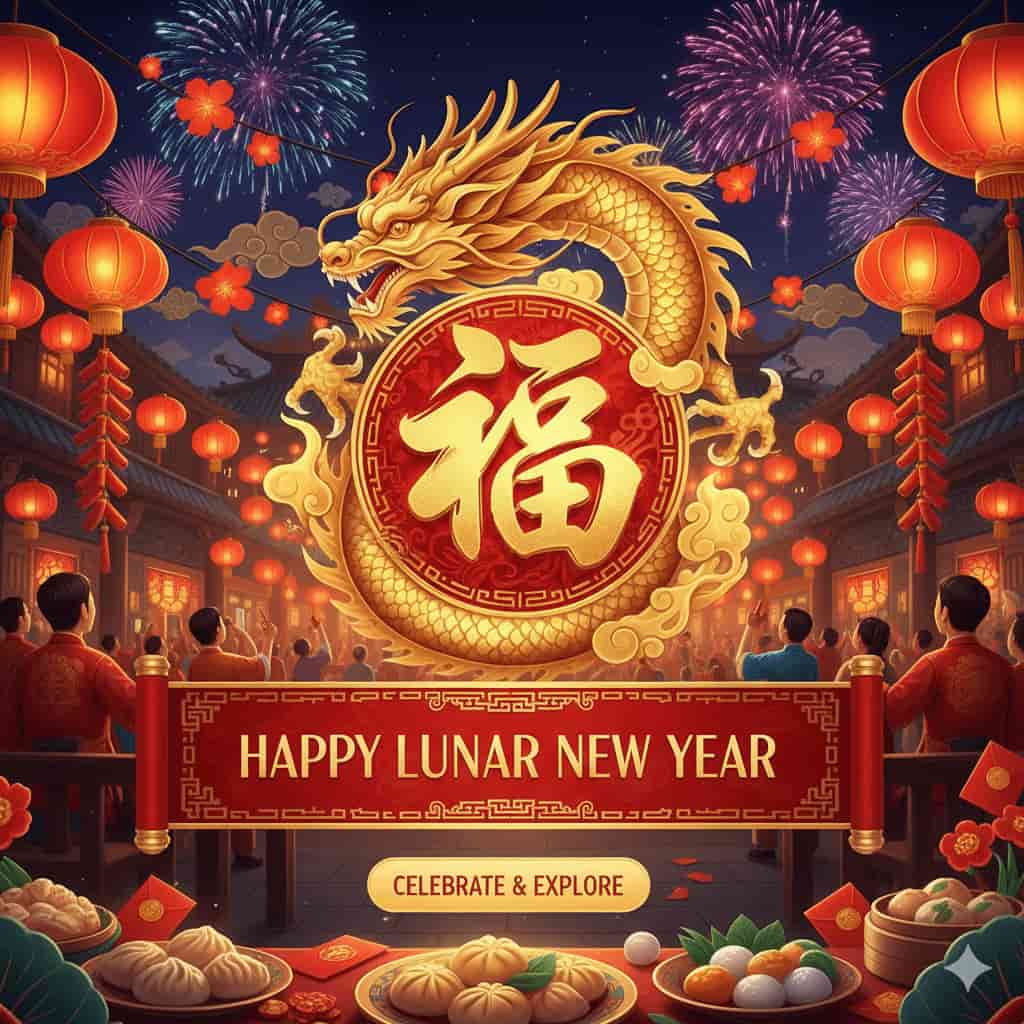
Spring Festival Celebration: Your Ultimate, No-Fuss Guide to Chinese New Year Traditions & Modern Fun
So, you’ve been invited to a Lunar New Year party, or maybe you just scrolled past a dazzling dragon dance video and thought, “I want in on that.” Welcome. You’re about to dive into the world of Spring Festival celebration, which is basically New Year’s Eve, Thanksgiving, a family reunion, and a massive cultural block party all rolled into one explosive, red-and-gold package. But let’s be real: it can also be intimidating. All those rules, strange foods, and mysterious taboos. Is it bad luck to sweep the floor? Why is everyone obsessed with tangerines? Fear not. This isn’t a dusty academic lecture. Consider this your friendly, slightly cheeky survival guide to not just surviving, but genuinely enjoying and understanding the biggest holiday on Earth. We’re going to peel back the layers of the Spring Festival, from its ancient roots to the modern-day chaos, and figure out how you can celebrate it with respect, joy, and maybe a few extra lucky coins in your pocket.
At its heart, the Spring Festival celebration is about renewal. It’s the cosmic reset button, tied to the lunar calendar and the promise of spring. It’s about honoring ancestors, feasting with family, and scaring away any bad vibes from the old year with a spectacular amount of noise and color. Whether you’re of Chinese heritage looking to reconnect, a curious neighbor, or someone planning their first-ever celebration, this guide is for you. We’ll talk about the deep stuff (the philosophy), the fun stuff (the food and fireworks), and the tricky stuff (the etiquette). By the end, you’ll know your nian gao from your jiaozi, and you’ll understand why the phrase “Gong Xi Fa Cai” is about way more than just money.
Mystic Dice Oracle
Roll the sacred dice to discover your fate
🎲
🎯
⭐
🌟
💫
🔮
🎲 Roll the Mystic Dice
Touch the dice to let fate decide your fortune
Consultations: 0
Dice Oracle
Consulting...
The mystic dice are rolling your fortune...
Please wait while the sacred dice reveal your destiny
What Is the Spring Festival, Really? (It’s Not Just “Chinese New Year”)
First, let’s clear up the terminology. “Chinese New Year” is the common Western term, but “Spring Festival” (春节, Chūn Jié) is the preferred name in modern China. It marks the beginning of spring according to the lunisolar calendar and is the climax of a longer festive period that starts weeks before. Think of it less as a single day and more as a season—a multi-act play of preparation, climax, and continuation. The celebration is intrinsically linked to the Chinese Zodiac, with each year governed by one of twelve animals. For instance, 2026 will be the Year of the Fire Horse, bringing its own unique energy to the festivities. The core idea is banishment and invitation: banish the mythical beast Nian (who feared the color red and loud noises), and invite prosperity, health, and family harmony.
For the Western mind, the closest analogy might be combining Christmas’s family focus, New Year’s Eve’s countdown energy, and Halloween’s playful superstition, then multiplying it by a factor of ancient philosophical depth. It’s a holiday where cosmology meets grocery shopping, where your fortune is believed to be influenced by what you eat and what you say on one pivotal night. This isn’t superstition in a dismissive sense; it’s a cultural framework for optimism and intentionality. Setting the right “tone” for your year is the ultimate goal of every Spring Festival celebration.
The Spring Festival Calendar: Your Day-by-Day Roadmap to the Chaos
You can’t understand the celebration without understanding its timeline. It’s a 15-day (or more) marathon, not a sprint. Each phase has its own rituals, foods, and meanings. Trying to cram all the “celebration” into New Year’s Eve is like only celebrating Christmas on the morning of the 25th—you’re missing the build-up and the aftermath! Here’s a practical breakdown of the key phases.
Act I: The Prelude – La Yue (The Lunar Month of Preparation)
Weeks before the big day, the energy starts to shift. This is the time for “spring cleaning,” but with a spiritual twist. It’s not just about dusting; it’s about cleansing your home of any lingering bad luck from the old year to make space for the new. This is also the period for massive shopping trips—new clothes (especially in red), decorations, and all the ingredients for the New Year’s Eve feast. The kitchen becomes a war zone of dumpling assembly lines and simmering broths. In the final days, families make offerings to the Kitchen God, who is believed to report on the household’s behavior to the Jade Emperor. You want him to say nice things, so you sweeten him up with sticky sweets!
Act II: The Main Event – New Year’s Eve & New Year’s Day
This is the core of the Spring Festival celebration. New Year’s Eve (除夕, Chúxī) is all about the Reunion Dinner (团圆饭, Tuányuán Fàn). It’s the most important meal of the year, often featuring dishes with symbolic meanings (we’ll get to that deliciousness next). After dinner, families stay up late, playing games, watching the national CCTV Gala (a quirky, beloved tradition), and at midnight, setting off fireworks to ward off evil. The first day of the new year is for honoring elders, giving and receiving red packets (hongbao) filled with lucky money, and visiting the closest family members. The key rule? No sweeping or taking out trash—you might sweep away your new fortune!
| Day / Phase | Chinese Name | Primary Focus | What You Do (And Don’t Do) |
|---|---|---|---|
| Little Year (1 week before) | 小年 (Xiǎo Nián) | Preparation & Sending off the Kitchen God | Final deep clean, buy sweets for offerings, start decorating. |
| New Year’s Eve | 除夕 (Chúxī) | Family Reunion & Feasting | Reunion Dinner, stay up late, firecrackers at midnight. DO argue over dumpling fillings. |
| New Year’s Day (Day 1) | 初一 (Chūyī) | Honoring Family & Ancestors | Wear new red clothes, give/receive red packets, visit parents. DO NOT sweep or use sharp objects. |
| Day 2 | 初二 (Chū’èr) | Visiting In-Laws | Married women visit their birth families; prayers for a good business year. |
| Day 5 | 破五 (Pò Wǔ) | Welcoming the God of Wealth | Businesses reopen with fireworks; eat dumplings (symbolizing gold ingots). |
| Day 15 (Lantern Festival) | 元宵节 (Yuánxiāo Jié) | Community & Light | Eat sweet rice balls (汤圆, Tāngyuán), solve riddles on lanterns, marks the festival’s end. |
Understanding this flow transforms the Spring Festival celebration from a confusing single event into a beautiful, logical narrative. It’s a story of coming home, resetting relationships, and stepping into the new year with community support. For a deeper look at the calendar’s structure, check out our guide to the Chinese New Year calendar.
🎨 Lucky Colors
Colors that bring you luck today
Red
Blue
Gold
Green
Purple
Black
The Spring Festival Feast: A Lucky Bite-by-Bite Guide
If rituals are the bones of the festival, food is the glorious, delicious flesh. Every dish on the reunion dinner table is there for a reason—its name or shape sounds like a auspicious phrase. This is edible wordplay at its finest. You’re not just eating; you’re speaking a language of luck with your chopsticks.
Let’s decode the menu. Dumplings (饺子, Jiǎozi), shaped like ancient gold ingots, are a must for wealth. Their pronunciation also sounds like the word for the exchange between the old and new year. Eating them is like swallowing little pockets of prosperity. Fish (鱼, Yú) is always served whole, with leftovers, because its name sounds like “surplus” (余, yú). The message: may you have surplus wealth every year. Sticky rice cake (年糕, Niángāo) sounds like “year high,” symbolizing rising prosperity and promotion. Long noodles represent longevity—don’t cut them! Even a simple chicken represents family unity, and tangerines/oranges sound like “gold” and “good luck.”
| Food Item | Chinese Name | Symbolic Meaning | Why It’s Lucky (The Pun or Shape) |
|---|---|---|---|
| Dumplings | 饺子 (Jiǎozi) | Wealth, Prosperity | Shape resembles ancient gold/silver ingots. Name sounds like “exchange of midnight.” |
| Whole Fish | 鱼 (Yú) | Abundance, Surplus | Pronunciation is a homophone for “surplus” (余, yú). Leftovers mean surplus for the new year. |
| Sticky Rice Cake | 年糕 (Niángāo) | Promotion, Rising Fortune | “Nian gao” sounds like “year high” (年高), suggesting improvement year after year. |
| Longevity Noodles | 长寿面 (Chángshòu Miàn) | Long Life, Health | Long, uncut noodles symbolize a long, unbroken life. Do not bite or cut them! |
| Spring Rolls | 春卷 (Chūnjuǎn) | Wealth, New Beginnings | Golden, cylindrical shape resembles gold bars. Name includes “spring” (春), for the new season. |
| Sweet Rice Balls | 汤圆 (Tāngyuán) | Family Togetherness, Sweetness | Round shape symbolizes completeness and reunion. Eaten at the Lantern Festival. |
| Tangerines & Oranges | 橘子 (Júzi) / 橙子 (Chéngzi) | Good Luck, Wealth | “Jú” sounds like “luck” (吉, jí). “Chéng” sounds like “success” (成, chéng). Golden color represents gold. |
Planning your menu is half the fun of a Spring Festival celebration. It turns cooking into an act of blessing. For a full culinary deep dive, explore our ultimate Chinese New Year menu guide.
Modern Spring Festival: Traditions Get a 21st-Century Makeover
Let’s shatter a myth: the Spring Festival celebration isn’t stuck in the past. It’s dynamic, adapting to technology and global culture while holding onto its core. Yes, your grandma still insists on that whole fish, but now she might also be sending digital red packets via WeChat. The reunion dinner might happen over a video call for families spread across continents. The CCTV Gala is streamed globally, and people post “Gong Xi Fa Cai” stickers on Instagram and TikTok.
One of the biggest modern phenomena is the “Spring Festival Travel Rush” (春运, Chūnyùn), the largest annual human migration on the planet. Hundreds of millions of people travel home, creating an epic logistical challenge that underscores the holiday’s enduring power. Modern celebrations also include watching blockbuster New Year movies, shopping for trendy “Chinese style” clothing, and even taking family vacations instead of staying home. The taboos are also softening—while some still avoid haircuts in the first month (as it might “cut” away luck), others just schedule their salon appointment for day two. The spirit remains: connection, renewal, and hope. It’s about blending the old lucky charms with new ways of connecting.
How to Host Your Own Spring Festival Celebration (A Western-Friendly Blueprint)
Inspired to throw your own party? Fantastic. You don’t need to be Chinese to appreciate and share in the spirit of renewal and community. The key is to do it with respect and a sense of fun. Here’s a practical blueprint.
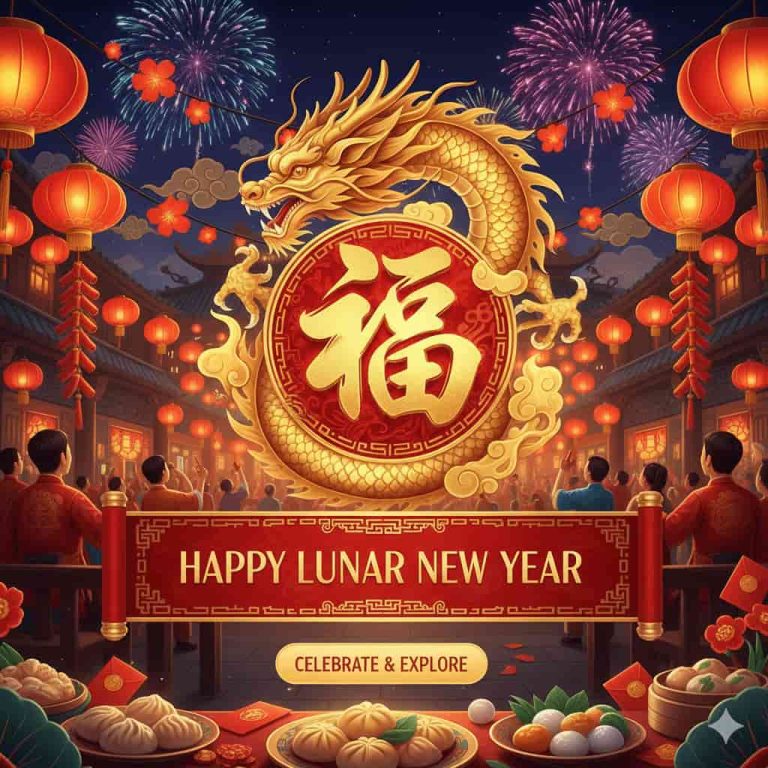
1. Set the Scene (Decorations are Key): Go red. Red lanterns, paper cuttings (窗花, chuānghuā) on windows, couplets (春联, chūnlián) with poetic wishes on your doorframe. The character 福 (fú, fortune) is often displayed upside-down, because “upside-down” (倒, dào) sounds like “arrive” (到, dào)—so “fortune arrives.” Add some gold accents and bowls of tangerines. Avoid too much white or black, as they are associated with mourning.
2. Craft the Menu: You don’t have to cook a 12-course banquet. Focus on a few symbolic dishes. Make dumplings (a fun, interactive activity for guests), serve a whole fish (or a large fillet if that’s easier), and have a platter of oranges for dessert. Long noodles are a great starter. The act of explaining the symbolism to your guests is part of the celebration!
3. Incorporate Rituals (Lightly): Have red envelopes on hand. You can put a chocolate coin or a lottery ticket inside for fun. At midnight, step outside and make some noise—clang pots, play a loud video of firecrackers. Encourage guests to wear something red. You can even have a “lucky phrase” contest.
4. Mind the Taboos (The “Don’ts”): Gently inform guests to avoid negative words, crying, or talking about death. Don’t give clocks, sharp objects, or pears as gifts (they sound like “separation” or “end”). No breaking dishes! It’s about fostering a positive, harmonious atmosphere. For a complete party-planning checklist, our guide to throwing a memorable Chinese New Year party has you covered.
| Category | Traditional Ideal | Modern/Western-Friendly Swap | Why It Works |
|---|---|---|---|
| Decor | Hand-painted red couplets, intricate paper-cuts. | Pre-printed couplets from an Asian market, red fairy lights, gold table runners. | Captures the red/gold color scheme and festive spirit without requiring artisan skills. |
| Food | 10-course symbolic reunion dinner. | Dumpling-making station, one whole fish dish, longevity noodle salad, orange sorbet. | Interactive, highlights key symbolic foods without overwhelming the host. Explaining the symbolism is the fun part. |
| Activity | Family mahjong, watching CCTV Gala. | Board games, streaming a dragon dance performance, “pin the tail on the zodiac animal.” | Focuses on family/friend interaction and cultural exposure in an accessible way. |
| Gifts | Red envelopes with cash for unmarried kids. | Red envelopes with lottery tickets, gourmet chocolate coins, or a small gift card. | Honors the tradition of giving “lucky money” in a red envelope without assuming cultural norms about cash. |
| Taboos | No sweeping, no negative words, no breaking things. | Keep a small broom hidden, set a “positive vibes only” tone, use plastic plates if worried. | Respects the intention behind the taboos (preserving luck, harmony) in a practical, low-stress manner. |
⚡ Quick Fortune
Choose a category for instant guidance
Love
Career
Health
Money
Beyond the Party: The Deep Cultural Roots of the Celebration
To truly appreciate the Spring Festival celebration, it helps to peek at its philosophical underpinnings. This isn’t random fun; it’s a lived expression of core Chinese values. Familism is paramount—the reunion dinner is the ultimate symbol of this. No matter the distance or difficulty, you strive to be home. It reinforces the family as the fundamental unit of society.
The festival also embodies concepts of harmony (和, hé) with nature and time. Following the lunar calendar ties human activity to agricultural and celestial cycles. The emphasis on balance is seen in the duality of activities: loud fireworks (yang) to banish evil, followed by quiet family time (yin); feasting on rich foods, then eating lighter, cleansing dishes later. It’s a reset of personal and cosmic balance. Furthermore, it’s a time of social reciprocity. Visiting elders, exchanging gifts, and giving red packets strengthen community bonds and define social hierarchies in a respectful way. Understanding this turns the dumpling from a tasty snack into a tiny, delicious ambassador of a 4,000-year-old worldview.
Your Spring Festival Celebration Checklist & Final Thoughts
Ready to engage? Whether you’re attending a celebration or hosting one, here’s your mental checklist: Learn a greeting (“Gong Xi Fa Cai” for wealth, “Xin Nian Kuai Le” for happiness). Wear something red. Bring a gift—fruit, sweets, or good tea (avoid the taboo items mentioned). Embrace the noise and color. Ask questions respectfully—most people love explaining their traditions. Most importantly, come with an open heart and a hungry stomach.
The Spring Festival celebration is a powerful, joyful testament to the human desire for renewal and connection. It’s messy, loud, delicious, and deeply meaningful. In a world that can feel fragmented, its core message—come home, honor your roots, eat together, and step bravely into the new—is universally resonant. So this Lunar New Year, find a way to connect. Make some dumplings, hang a red decoration, or simply wish someone well. You’re not just following a custom; you’re participating in a timeless story of hope. And if you want to know what the Year of the Fire Horse has in store for your own zodiac sign, dive into your personalized 2026 Horse horoscope or explore the forecast for the Dragon or the Rabbit. Here’s to a prosperous, joyful, and delicious new year. 恭喜发财! (Gong Xi Fa Cai!)