Discover your Chinese zodiac and Chinese New Year、Chinese Calendar in this place

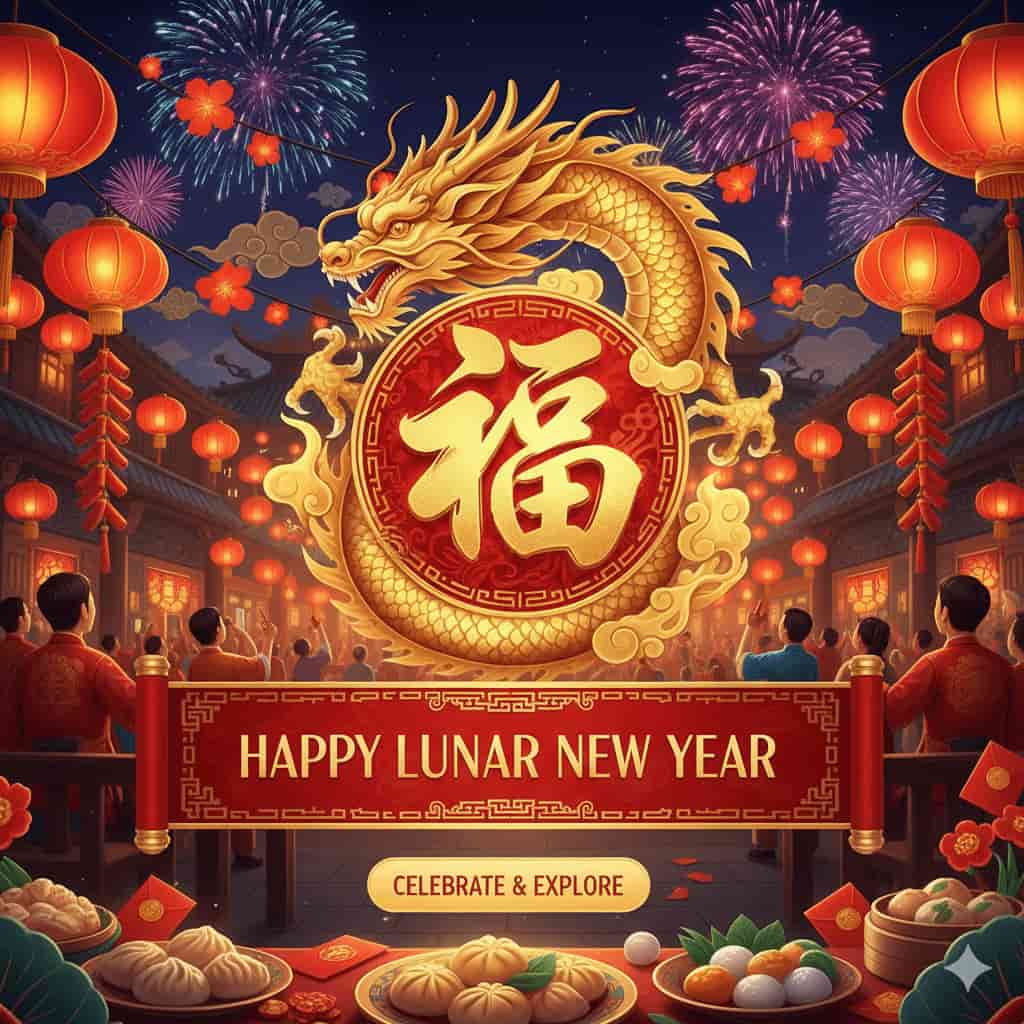
Chinese New Year Traditions: More Than Just Firecrackers and Dumplings
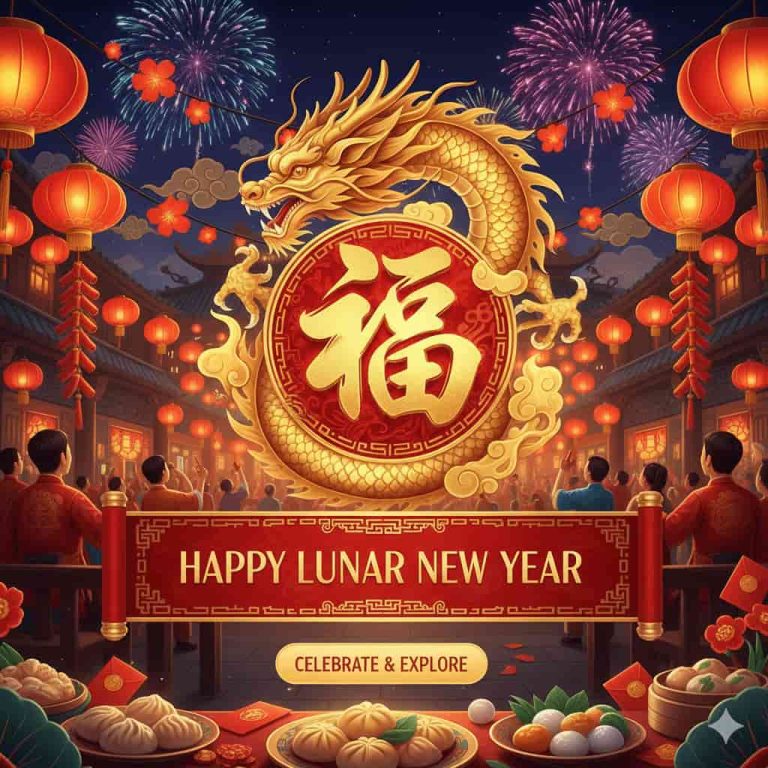
So, you think Chinese New Year is just about eating until you can’t move and getting free money in red envelopes? Well, you’re not *entirely* wrong—those are fantastic perks. But the tapestry of **Chinese New Year traditions** is so much richer, older, and frankly, more hilarious than you might imagine. It’s a 15-day cultural extravaganza that involves scaring off mythical beasts, deep-cleaning your house at exactly the wrong time, and avoiding haircuts like the plague. At ChineseFate, we see the Spring Festival as the ultimate expression of Chinese cosmology—a time when family, fortune, and the future align. Let’s pull back the curtain on the world’s biggest party and see what these **Chinese New Year traditions** are really all about.
Mystic Dice Oracle
Roll the sacred dice to discover your fate
🎲
🎯
⭐
🌟
💫
🔮
🎲 Roll the Mystic Dice
Touch the dice to let fate decide your fortune
Consultations: 0
Dice Oracle
Consulting...
The mystic dice are rolling your fortune...
Please wait while the sacred dice reveal your destiny
The Great Pre-Show: Cleaning, Shopping, and Kitchen Gods
Weeks before the first firecracker pops, the **Chinese New Year traditions** kick off with a frenzy of domestic activity. There’s a massive “spring cleaning,” but it’s not just about dust bunnies. This ritual, called “sweeping the dust” (扫尘, sǎo chén), symbolizes sweeping away any lingering bad luck and misfortune from the old year. Think of it as a spiritual reset button for your home. But here’s the catch: once New Year’s Day hits, you must NOT sweep or take out garbage, for fear of sweeping away your newly arrived good fortune. So, you basically create a perfectly clean slate just in time to live in mild mess for a few days. The logic is beautifully chaotic.
Then there’s the matter of the Kitchen God, Zao Jun. About a week before the festival, this celestial spy—who lives above your stove and reports your family’s behavior to the Jade Emperor—heads to heaven for his annual review. The **tradition**? Smear his lips with sticky honey or sweet rice cakes so he’ll only have sweet things to say (or be too gummed up to speak at all). It’s the ancient equivalent of bribing your annual performance reviewer with donuts.
Reunion Dinner: The Food Coma of Love
The climax of **Chinese New Year traditions** is the Reunion Dinner (团圆饭, tuányuán fàn) on New Year’s Eve. This isn’t just a meal; it’s a sacred pilgrimage. Hundreds of millions of people across China undertake the world’s largest annual migration, the “Chunyun,” just to get a seat at this table. The menu is a delicious code language: whole fish (鱼, yú) for abundance and “surplus” every year; dumplings (饺子, jiǎozi) shaped like ancient gold ingots for wealth; longevity noodles eaten uncut; and sticky rice cakes (年糕, niángāo) for a “higher” year. It’s a feast where every bite is a wish for the future. At ChineseFate, we love analyzing how these foods connect to the Five Elements and the year’s specific zodiac energy—like ensuring plenty of “water” element foods in a Rat year.
🎨 Lucky Colors
Colors that bring you luck today
Red
Blue
Gold
Green
Purple
Black
Day 1 to 15: A Daily Playbook of Do’s and Don’ts
The first day of the Lunar New Year is for honoring elders and visiting the most senior family members. You wear new clothes (preferably red), avoid negative words, and definitely don’t wash your hair—it would wash away your luck! The second day, married daughters visit their birth parents (a big deal in traditional patrilineal society). The fifth day is for welcoming the God of Wealth. You’ll hear a cacophony of firecrackers as businesses reopen, trying to attract his attention.
But the most visually stunning of all **Chinese New Year traditions** is the Lantern Festival on the 15th night. Streets are filled with glowing lanterns, symbolizing letting go of the past and illuminating the future. It’s also the origin of the tangyuan (sweet rice balls), whose round shape represents family unity and completeness. The festival marks the full first moon of the year, a powerful time in the Lunar Calendar for setting intentions.
The Red Envelope (Hongbao): The Art of Monetary Blessings
Let’s talk about the tradition everyone secretly looks forward to: the red envelope, or *hóngbāo*. These aren’t just cash gifts; they’re vessels of protective energy. The color red scares off the mythical beast Nian (who started this whole festival mess), and the money inside symbolizes the transfer of good fortune from elders to the young. There are strict rules: money should be new bills, given in even amounts (odd numbers are for funerals), and never contain the unlucky number 4. The act of giving is as important as receiving, creating a beautiful cycle of blessing. It’s a practical lesson in the flow of energy and fortune, a core concept we explore at ChineseFate.
Modern Twists on Ancient Traditions
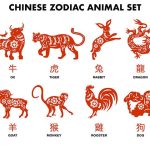
Today’s **Chinese New Year traditions** have embraced the digital age. “Digital red envelopes” fly through apps like WeChat, with friends snatching virtual cash in group chats. Family reunion dinners might happen over video call for those who can’t travel. Yet, the core remains unchanged: the deep human need for connection, hope, and a fresh start. Understanding your own Chinese Zodiac sign’s horoscope for the year can add a personal layer to these celebrations, helping you navigate the specific energies the new lunar year brings.
🐲 Zodiac Calculator
Enter your birth year to discover your Chinese zodiac animal
Why These Traditions Still Matter
In a fast-paced world, **Chinese New Year traditions** force a pause. They reconnect us with family, with cultural roots, and with the natural rhythms of the moon and seasons. They are a living philosophy, teaching respect for ancestors, hope for the future, and the importance of community. Whether you’re meticulously preparing a tray of togetherness or just trying to remember not to get a haircut in the first month, you’re participating in a story thousands of years old.
Your Personal Spring Festival
You don’t have to be Chinese to appreciate the spirit of renewal, family, and good fortune. This Lunar New Year, why not adopt a simple tradition? Share a meal with loved ones, clean a corner of your home with intention, or wear something red for luck. At ChineseFate, we believe these rituals are tools for aligning with positive energy, no matter your background. Want to know what the Year of the Horse (2026) specifically holds for you? Dive deeper into your personal celestial blueprint. From all of us at ChineseFate, may your new year be filled with joy, prosperity, and delicious dumplings. Xin Nian Kuai Le!