Discover your Chinese zodiac and Chinese New Year、Chinese Calendar in this place

Chinese New Year Food: More Than Just a Feast, It’s Edible Fortune
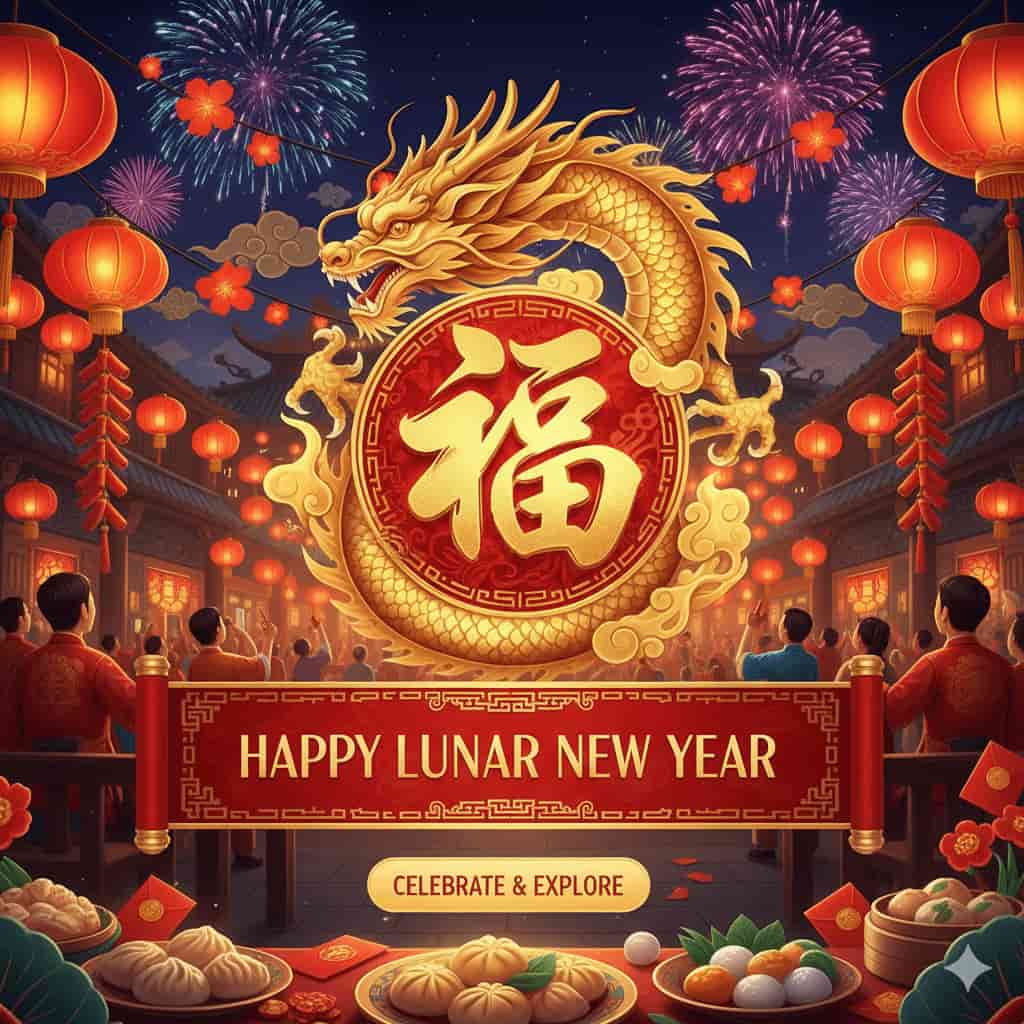
Let’s be real: when most of us think of Chinese New Year, we think of the food. The steaming baskets of dumplings, the whole fish staring up from the platter, the sticky-sweet rice cakes… it’s a culinary marathon of happiness. But here’s the fun part: in Chinese culture, you’re not just eating for flavor; you’re eating for luck. Every bite, every ingredient, and even the way food is prepared is packed with symbolic meaning, designed to attract prosperity, health, and good fortune for the year ahead. Think of it as the world’s most delicious to-do list for cosmic success. At ChineseFate, we love digging into the “why” behind these traditions, because understanding the symbolism makes every mouthful that much richer. So, grab your virtual chopsticks, and let’s dive into the lucky banquet of Chinese New Year food.
Dumplings (Jiaozi): Little Purses of Prosperity
If Chinese New Year food had a mascot, it would be the humble dumpling, or jiaozi. Shaped like ancient gold ingots (think old-school Chinese money), they symbolize wealth and prosperity. The tradition is to eat them at midnight on New Year’s Eve, a practice known as jiaozi (交子), which sounds like the word for the exchange between the old and new year. Families often hide a clean coin in one dumpling—whoever finds it is guaranteed extra luck (and hopefully doesn’t chip a tooth!). Making them is a family affair, with everyone gathered around the table, which itself represents family unity. It’s a delicious, doughy package of hope for a financially sound year.
Whole Fish (Yu): Abundance That’s Always “Left Over”
No New Year’s feast is complete without a whole fish, usually steamed or braised. The word for fish, yu (鱼), sounds exactly like the word for “surplus” or “abundance” (余). The goal is to serve it whole—head, tail, and everything in between—to symbolize a good beginning and end to the year. But here’s the quirky rule: you don’t finish it. You must leave some leftovers, literally ensuring you’ll have a “surplus” or abundance of food and good fortune in the coming months. It’s the only time your mom will be happy you didn’t clean your plate! Popular choices are carp (symbolizing perseverance) or catfish (sounding like “year surplus”).
Mystic Dice Oracle
Roll the sacred dice to discover your fate
🎲
🎯
⭐
🌟
💫
🔮
🎲 Roll the Mystic Dice
Touch the dice to let fate decide your fortune
Consultations: 0
Dice Oracle
Consulting...
The mystic dice are rolling your fortune...
Please wait while the sacred dice reveal your destiny
Nian Gao (Sticky Rice Cake): Reaching New Heights
Nian gao, the sweet, sticky rice cake, is a homophone champion. Its name sounds like “year high” (年高), symbolizing the wish for a higher income, a higher position at work, or just general growth and progress in the new year. The sticky, glutinous texture also symbolizes family cohesiveness—sticking together. It’s often given as a gift, sliced and pan-fried until the outside is crispy and the inside is gooey and sweet. Eating it is like making a delicious promise to yourself: this year, I’m aiming higher.
Spring Rolls (Chun Juan): Golden Bars of Wealth
Crispy, golden, and filled with savory vegetables, spring rolls are another edible symbol of wealth. Their shape and color resemble gold bars. Their name, chun juan, means “spring rolls,” linking them directly to the Spring Festival (another name for Chinese New Year). Eating them is believed to bring wealth and is a tasty way to welcome the new season. They’re the crunchy, fried embodiment of hoping your investment portfolio looks as good as your appetizer plate.
Longevity Noodles (Chang Shou Mian): Don’t You Dare Cut Them!
These are not your average noodles. Longevity noodles are served long and uncut, symbolizing a wish for a long and healthy life. The longer the noodle, the longer your life—so slurping them up without breaking them is the goal (and a fun, messy challenge). They are often stir-fried or served in a broth with other lucky ingredients like mushrooms (for wealth) and bok choy (for prosperity). It’s a dish that literally encourages you to play with your food for the sake of a long, happy life.
🎨 Lucky Colors
Colors that bring you luck today
Red
Blue
Gold
Green
Purple
Black
Sweet Rice Balls (Tangyuan): Family Reunion in a Bowl
Eaten during the Lantern Festival, which concludes the New Year celebrations, tangyuan are glutinous rice balls served in a sweet syrup. Their round shape symbolizes completeness, unity, and family reunion. The name tangyuan (汤圆) sounds like tuanyuan (团圆), which means “reunion.” They are sweet, comforting, and represent the hope that the family will remain close, harmonious, and “stuck together” like the sticky rice dough. It’s the perfect, sweet ending to the festive season.
Oranges, Tangerines, and Pomelos: The Fruit of Fortune
Fruits play a huge role, not just on the table but as gifts. Oranges and tangerines are everywhere because the words for them (ju and ji) sound like “luck” and “auspiciousness.” Their bright gold color also represents wealth. Pomelos are associated with abundance and family unity due to their large, round shape. You’ll see them arranged in piles, symbolizing accumulated wealth and the fullness of life. They’re nature’s lucky charms, and they’re a lot easier to digest than a gold ingot.
So, the next time you sit down to a Chinese New Year feast, remember: you’re not just at a dinner table, you’re at a cosmic manifesting station. Every dish is a wish, a hope, and a delicious tradition passed down through generations. From the wealth in a dumpling to the longevity in a noodle, Chinese New Year food is a beautiful, flavorful language of optimism. Want to know what the Year of the Horse in 2026 might have in store for your culinary luck? Or how your own Zodiac sign might influence your feast? Explore more with ChineseFate, where we help you understand the fun and fate in every tradition. Now, who’s hungry for some fortune?
⚡ Quick Fortune
Choose a category for instant guidance
Love
Career
Health
Money