Discover your Chinese zodiac and Chinese New Year、Chinese Calendar in this place

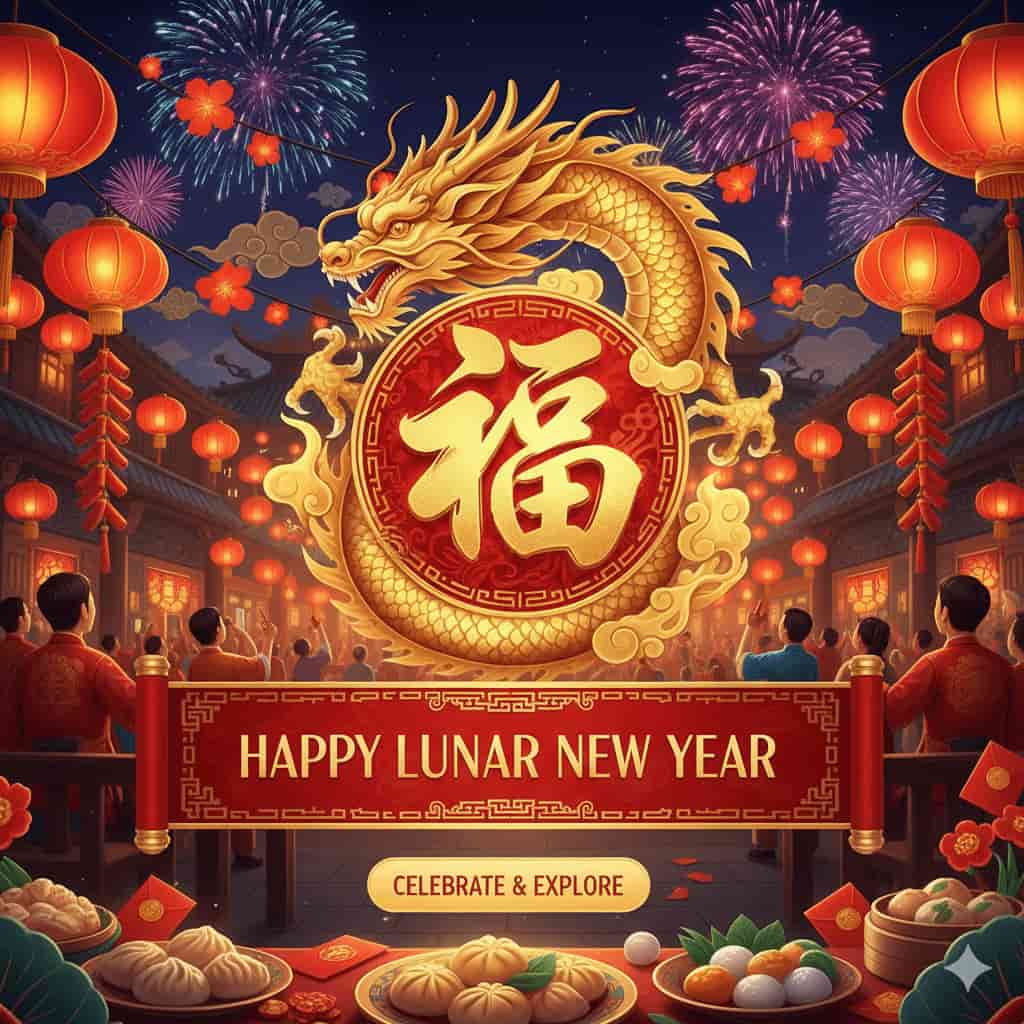
Chinese New Year Customs: More Than Just Red Envelopes and Firecrackers
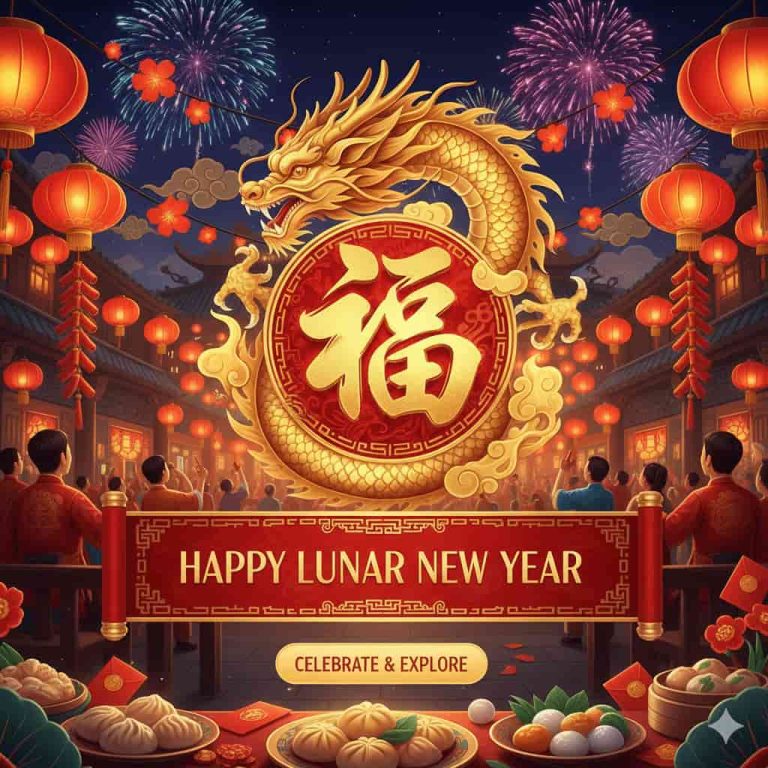
So, you’ve seen the dragon dances, gotten a red envelope or two, and maybe even tried some questionable-looking dried fruit at a friend’s house. But have you ever wondered *why* we do all this stuff? Buckle up, because we’re about to dive into the wonderfully weird and deeply meaningful world of Chinese New Year customs. It’s not just a party; it’s a two-week-long cultural reset button packed with symbolism, superstition, and seriously good food. Think of it as the ultimate family reunion, spring cleaning session, and fortune-telling extravaganza all rolled into one. At ChineseFate, we love unpacking these traditions because they’re the living, breathing heart of the Chinese Zodiac and lunar calendar system we explore every day.
Mystic Dice Oracle
Roll the sacred dice to discover your fate
🎲
🎯
⭐
🌟
💫
🔮
🎲 Roll the Mystic Dice
Touch the dice to let fate decide your fortune
Consultations: 0
Dice Oracle
Consulting...
The mystic dice are rolling your fortune...
Please wait while the sacred dice reveal your destiny
The Grand Finale of Cleaning: Out With the Old, Literally
Forget a quick vacuum. In the days leading up to Lunar New Year’s Eve, families engage in a cleaning marathon of epic proportions. This isn’t about impressing your in-laws (though that’s a bonus). The custom is rooted in the idea of sweeping away any lingering bad luck and misfortune from the old year. You’re literally making space for the good fortune to move in. But here’s the catch: once New Year’s Day arrives, all brooms and dustpans go into hiding. Sweeping on the first day is a major no-no, as you might accidentally sweep away your brand-new, freshly delivered wealth and luck. It’s the universe’s way of telling you to take a mandatory day off from chores. Genius, right?
A Feast for Fortune: The Symbolism of the Reunion Dinner
The New Year’s Eve reunion dinner is the culinary Super Bowl. It’s the most important meal of the year, where families travel across continents to share a table. Every dish on the menu is a delicious pun or symbol. Long noodles? They represent longevity—just don’t cut them! Whole fish (especially with leftovers) signifies abundance and surplus for the coming year. Sticky rice cakes (niangao) promise a “higher” year, be it in promotion, grades, or general success. And dumplings, shaped like ancient gold ingots? They’re pure, edible wealth. It’s a meal where you eat your wishes, which is arguably the best kind of magic.
The Art of the Red Envelope (Hongbao): Not Just Free Money
Ah, the iconic red envelope. For kids, it’s the highlight of the season. But this custom is steeped in layers of meaning. The color red scares away the mythical beast Nian and symbolizes vitality and good fortune. The act of giving money from elders to the younger generation represents the transfer of blessings, good luck, and protection. There are unspoken rules: use crisp new bills, never give amounts with the number 4 (it sounds like “death”), and always use both hands to give and receive. It’s a ritual of respect and well-wishing, wrapped in a deceptively simple packet. In the digital age, even virtual red envelopes fly through apps, keeping the tradition alive with a modern ping.
🎨 Lucky Colors
Colors that bring you luck today
Red
Blue
Gold
Green
Purple
Black
Lions, Dragons, and a Whole Lot of Noise: Festival Spectacles
The deafening cacophony of firecrackers and the pulsating beat of the lion and dragon dances are more than just a great show. Legend says the beast Nian was terrified of loud noises and the color red. So, every New Year, we basically throw a massive, noisy, scarlet-colored party to scare any bad vibes away for another year. The lion dance, performed by martial artists, is believed to bring prosperity and good luck to businesses and homes. The longer the dragon, weaving through streets, the more luck it bestows upon the community. It’s public, participatory fortune-boosting, and it’s absolutely exhilarating to watch.
What NOT to Do: The Quirky Taboos of the New Year
This is where it gets fun. Chinese New Year customs come with a fascinating list of don’ts. We’ve covered no sweeping. Also avoid washing your hair on New Year’s Day—you might wash your luck down the drain. Don’t use scissors or knives (you could “cut off” your fortune). Crying children are bad omens, so parents become master negotiators. Avoid breaking porcelain, and for heaven’s sake, don’t talk about death, ghosts, or past debts. The first few days are a minefield of superstition designed to protect the fragile, newborn luck of the year. It’s a time to be extra sweet, extra careful, and let the house get a little dusty.
Modern Twists on Ancient Traditions
Like any living tradition, Chinese New Year customs evolve. While the core values of family, renewal, and hope remain, the expressions change. Family reunion dinners might happen over Zoom for far-flung members. Digital red envelopes are sent via WeChat. People check their daily horoscope apps alongside traditional almanacs. Eco-friendly electronic firecrackers replace some of the real ones. The spirit of the customs—to gather, to hope, to celebrate a new beginning—adapts seamlessly to the modern world. It shows the resilience and enduring relevance of these ancient practices.
🐲 Zodiac Calculator
Enter your birth year to discover your Chinese zodiac animal
Beyond the First Day: The 15-Day Festival Journey
The fun doesn’t stop after day one! The New Year festival lasts 15 days, each with its own focus. Day 7 is Renri, everyone’s birthday, where you eat “longevity noodles.” The climax is the Lantern Festival on the 15th night, marking the first full moon. Streets are filled with glowing lanterns, and families eat sweet glutinous rice balls (tangyuan) that symbolize reunion and completeness. It’s a beautiful, sweet end to the festive season. Understanding this full cycle, much like following the insights in a Dragon horoscope for 2026, gives you a deeper appreciation for the rhythm and philosophy behind the celebration.
From the meticulous cleaning to the final lantern glow, every Chinese New Year custom is a thread in a vibrant tapestry of meaning. They connect the past to the present, families to each other, and individuals to their hopes for the future. It’s a time to reset, rejoice, and feast on fortune—both literal and metaphorical. So next time you witness these traditions, you’ll see more than just ritual; you’ll see a story thousands of years in the making, and you’re invited to be part of it. Here at ChineseFate, we believe that’s something truly worth celebrating.