Discover your Chinese zodiac and Chinese New Year、Chinese Calendar in this place

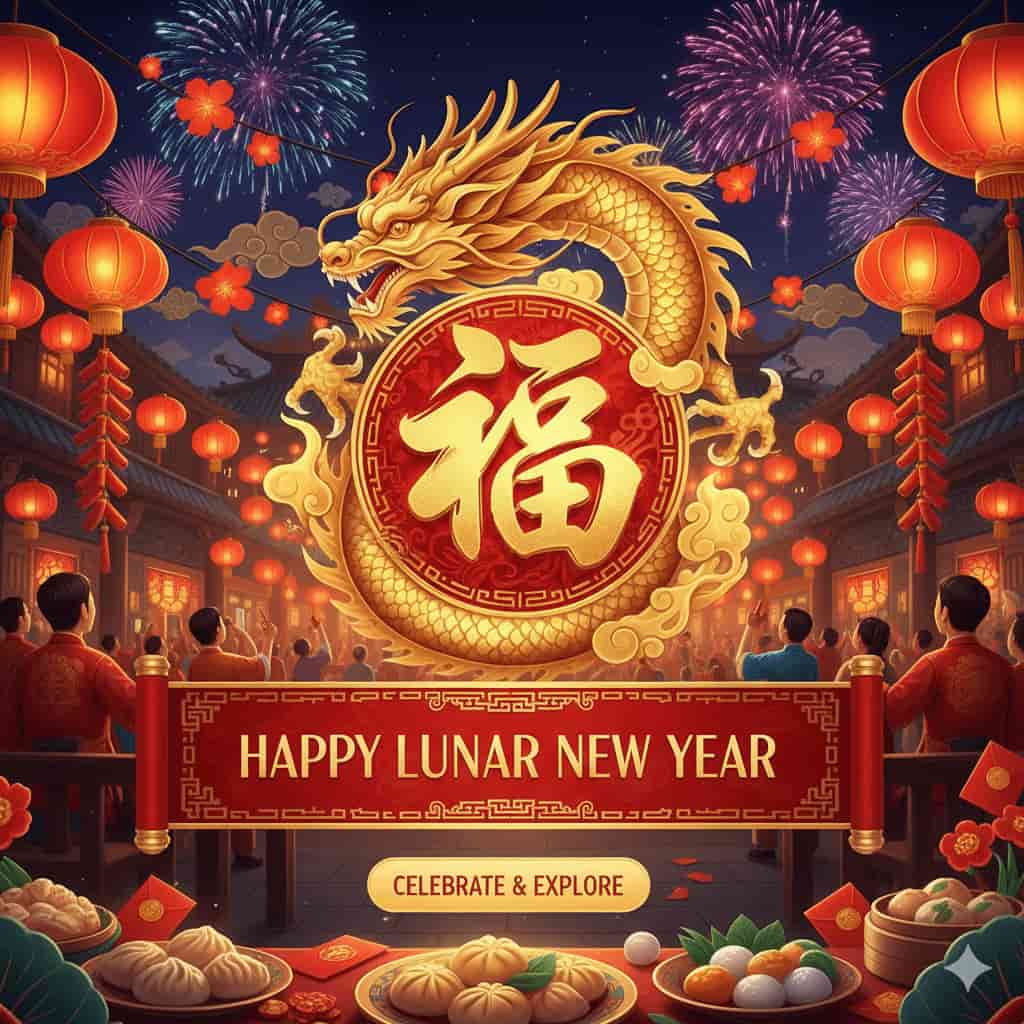
Chinese Festival: Your Ultimate Guide to Lunar Celebrations & Timeless Traditions
Think you know Chinese festivals? Sure, you’ve heard of Lunar New Year and maybe seen a dragon dance, but there’s a whole calendar packed with celebrations that are equal parts party, history lesson, and massive family dinner. A Chinese festival isn’t just a date on a page; it’s a living, breathing, and often delicious, expression of a 5,000-year-old culture. It’s where ancient myths meet modern street food, and where honoring your ancestors involves setting off enough fireworks to rival a rock concert. Here at ChineseFate, we’re obsessed with unpacking these traditions—not as dusty museum pieces, but as the vibrant, witty, and deeply meaningful rituals that shape life across the Chinese-speaking world. So, grab a mooncake (or a dumpling) and let’s dive in.
Mystic Dice Oracle
Roll the sacred dice to discover your fate
🎲
🎯
⭐
🌟
💫
🔮
🎲 Roll the Mystic Dice
Touch the dice to let fate decide your fortune
Consultations: 0
Dice Oracle
Consulting...
The mystic dice are rolling your fortune...
Please wait while the sacred dice reveal your destiny
More Than Just a Day Off: The Heartbeat of Chinese Culture
At its core, every major Chinese festival is a masterclass in balance. They weave together the three pillars of traditional Chinese life: honoring heaven and earth (nature’s cycles), respecting your ancestors (family lineage), and seeking harmony and good fortune for the future. The dates aren’t random; they’re meticulously plotted on the lunar calendar, syncing with moon phases and solar terms. This isn’t superstition—it’s an ancient, sophisticated way of living in rhythm with the universe. Whether it’s welcoming spring or celebrating the harvest, each event is a cultural reset button.
The Big Four: China’s Festival Powerhouses
Let’s meet the headline acts. These are the festivals that define the year, each with its own flavor, folklore, and must-eat foods.
Chinese New Year (Spring Festival): The Granddaddy of Them All
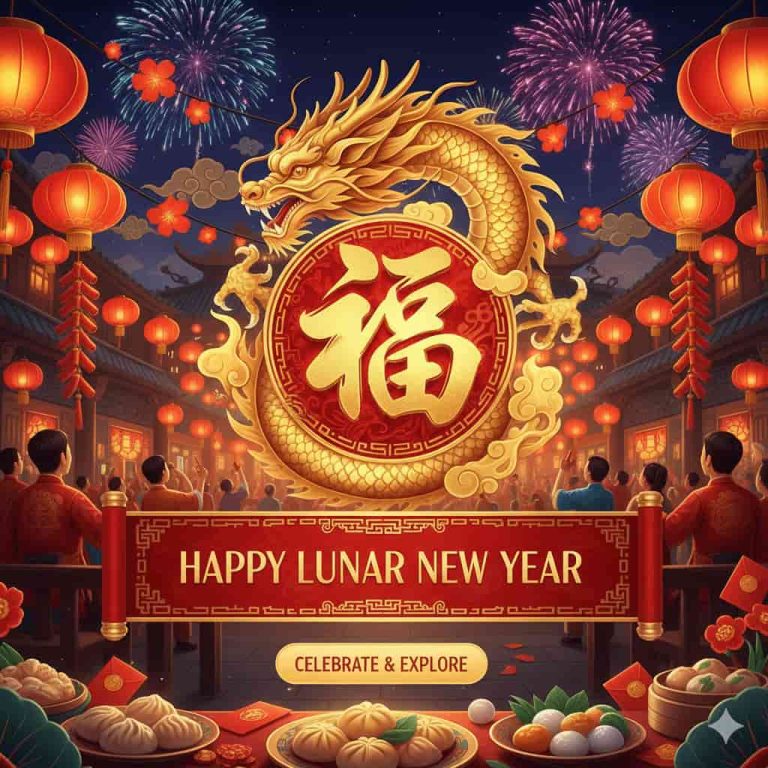
This is the main event, the Super Bowl of Chinese festivals. Marking the start of the lunar new year (hello, Year of the Horse 2026!), it’s a 15-day extravaganza of family reunions, red envelopes (hongbao), and feasts. The goal? Sweep away bad luck and attract prosperity. We’re talking dumplings for wealth, whole fish for abundance, and enough cleaning to make your house sparkle like new. The lion and dragon dances aren’t just for show; they’re believed to scare away evil spirits with a fantastic beat.
Lantern Festival: The Dazzling Finale
Think of this as New Year’s glorious encore. On the 15th day, the first full moon of the new year, streets explode with color. Intricate lanterns of all shapes (even this year’s zodiac animal!) are displayed, and people solve riddles written on them. It’s also the day for eating *tangyuan*—sweet, sticky rice balls that symbolize family togetherness and completeness. A sweet end to the holiday season.
🎨 Lucky Colors
Colors that bring you luck today
Red
Blue
Gold
Green
Purple
Black
Dragon Boat Festival: Racing & Rice Dumplings
Held on the 5th day of the 5th lunar month, this festival is a thrilling mix of sport and history. Teams paddle long, ornate boats to the frantic beat of drums, re-enacting the attempt to rescue the beloved poet Qu Yuan who drowned himself. The food? *Zongzi*, pyramid-shaped parcels of sticky rice wrapped in bamboo leaves. They were originally thrown into the river to feed the fish so they wouldn’t eat Qu Yuan’s body. Morbid origin, delicious result.
Mid-Autumn Festival: Mooncakes & Family Reunions
When the autumn moon is at its roundest and brightest, families gather to admire it, a practice called “moon gazing.” It celebrates harvest and, you guessed it, family unity. The star of the show is the mooncake—a rich, dense pastry often filled with sweet lotus seed paste and a salted egg yolk, representing the full moon. Sharing and gifting these is a central ritual. The legend of Chang’e, the moon goddess, adds a layer of romantic tragedy to the evening.
Beyond the Big Names: Ghosts, Love, and Winter Solstice
The festival calendar is deep. The Hungry Ghost Festival (Ghost Month) involves leaving offerings for restless spirits—think of it as community care for the afterlife. Qixi Festival, often called Chinese Valentine’s Day, tells the heartbreaking story of the Cowherd and Weaver Girl, who can only meet once a year over a bridge of magpies. Then there’s Dongzhi, the Winter Solstice festival, where eating tangyuan or dumplings is believed to protect you from the coming cold. Each fills a unique niche in the cultural and spiritual landscape.
🐲 Zodiac Calculator
Enter your birth year to discover your Chinese zodiac animal
Common Festival Misconceptions (Let’s Clear These Up!)
**Myth 1:** “It’s all about luck and superstition.” Not quite. While attracting good fortune is a theme, these are deeply rooted in agricultural cycles, historical events, and Confucian values of filial piety and community. **Myth 2:** “All Chinese people celebrate the same way.” Customs can vary wildly between regions in China, Taiwan, Hong Kong, and across the diaspora. The type of dumpling or the festival snacks differ deliciously from place to place. **Myth 3:** “They’re just ancient and unchanging.” Modern celebrations seamlessly blend tradition with new tech—digital red envelopes on WeChat, LED lantern displays, and global live streams of the New Year Gala.
Bringing Festival Wisdom into Your Modern Life
You don’t need to be Chinese to appreciate the core ideas. The emphasis on family reunion is a universal reminder to connect. The focus on seasonal foods encourages us to eat with the rhythm of nature. The act of “sweeping away” the old during New Year is a powerful metaphor for personal renewal. At ChineseFate, we see these festivals as a toolkit for living more intentionally. Checking your daily horoscope during a festival period can add another layer of personal insight to the collective energy.
A Living Tapestry of Joy and Meaning
From the explosive joy of New Year to the quiet reflection of the Mid-Autumn moon, a Chinese festival is a multi-sensory journey into a rich cultural heart. It’s food, family, folklore, and firecrackers all rolled into one. They remind us that celebration is a vital human need, one that connects us to our past, our community, and the turning of the seasons. So next time you see a lantern or taste a mooncake, you’ll know there’s a fantastic story—and a few thousand years of history—behind it. Want to see how your own zodiac sign might experience these festive energies? Dive deeper into your personal forecast for the coming year of the Rat or the ambitious year of the Dragon.