Discover your Chinese zodiac and Chinese New Year、Chinese Calendar in this place

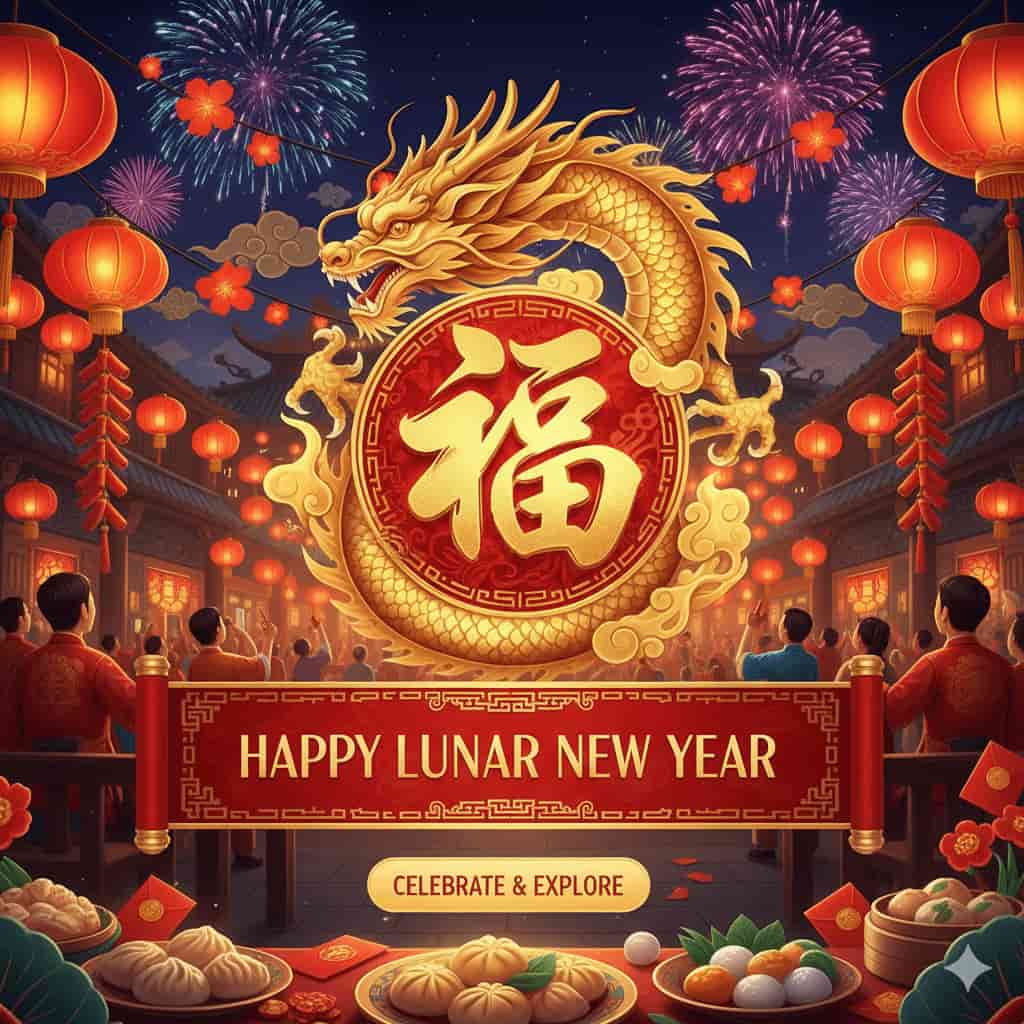
Red Envelopes Chinese New Year: More Than Just Cash, It’s a Cultural Handshake
Let’s be honest. When most people outside China think of Chinese New Year red envelopes, they picture a crisp dollar bill tucked inside a bright red pocket. It seems simple, maybe even transactional. But what if I told you that handing over that little red packet is one of the most nuanced, symbol-laden, and occasionally anxiety-inducing social rituals in the entire Chinese calendar? It’s not a gift; it’s a conversation. It’s not just money; it’s a carrier of wishes, a marker of relationships, and a tiny, scarlet-colored lesson in social geometry. Welcome to the world of Hongbao (红包) or Lai See (利是) in Cantonese. This guide isn’t just about the “what”—it’s about the “why,” the “how much,” and the “oh-crap-I-hope-I-didn’t-just-insult-my-boss” of it all. By the end, you’ll see that little red envelope for what it truly is: a fascinating cultural handshake.
At its core, the tradition of giving lucky money for Lunar New Year is about transferring good fortune, or Qi, from the older and established to the younger and upcoming. The red color wards off evil spirits (specifically a mythical beast named Sui), while the money inside seeds prosperity for the receiver’s new year. But like any great tradition, the devil—or in this case, the deity—is in the details. How do you navigate this without causing a cultural faux pas? That’s where we, at ChineseFate, come in. We’re here to decode the symbolism, demystify the rules, and help you participate in this beautiful tradition with confidence and respect, whether you’re a curious observer, a family member, or a business professional.
Mystic Dice Oracle
Roll the sacred dice to discover your fate
🎲
🎯
⭐
🌟
💫
🔮
🎲 Roll the Mystic Dice
Touch the dice to let fate decide your fortune
Consultations: 0
Dice Oracle
Consulting...
The mystic dice are rolling your fortune...
Please wait while the sacred dice reveal your destiny
The Crimson History: From Talismans to Ten-Dollar Bills
The story doesn’t start with envelopes. It starts with coins. Threaded with red string, these “cash” coins were known as Yāsuì qián (压岁钱), literally “money to suppress Sui.” Legend has it that Sui was a demon who would terrorize children on New Year’s Eve. Parents discovered that placing eight coins (a lucky number) wrapped in red paper under their child’s pillow would scare the beast away, as the coins would glow like the Eight Immortals. This evolved from coins under pillows to coins in red paper pouches, and eventually, with the invention of paper currency, to the red envelope tradition we know today. It’s a perfect example of how practical folk magic slowly morphs into social custom, retaining its symbolic power while changing its form.
This evolution mirrors the journey of the Lunar Calendar itself—a system that adapts while holding onto deep cultural roots. The shift from metal to paper money also intertwined with the growth of a monetary economy and the importance of “seed capital.” The gift became less about literal spiritual protection and more about investing in a child’s future prosperity. Understanding this history is key; it transforms the red envelope from a simple cash gift into a token of protective love and generational hope.
Decoding the Rules: The Unspoken Etiquette of Giving and Receiving
This is where things get juicy. The etiquette of Hongbao exchange during Spring Festival is a silent dance governed by status, relationship, and occasion. Get it wrong, and you might accidentally signal disrespect. Get it right, and you strengthen bonds beautifully. Let’s break down the major rules.
Who Gives to Whom? (The Social Flow Chart)
The fundamental rule: money flows downhill. Seniors give to juniors. Employers give to employees. Married couples give to unmarried relatives and children. It’s a tangible representation of blessing and support flowing from those who are established to those who are building their lives. A single, 30-year-old executive still receives red envelopes from married aunts and uncles! The act of getting married is the key threshold where one transitions from receiver to giver.
| Giver | Typical Receiver | Occasion / Reason |
|---|---|---|
| Grandparents / Elderly Relatives | Grandchildren, Younger Relatives | New Year Blessing, Wishing for growth and health. |
| Parents | Children (any age, if unmarried) | Core family blessing, continuing the suppression of Sui. |
| Married Aunts/Uncles | Unmarried Nieces/Nephews | Extended family blessing, strengthening kinship ties. |
| Employers / Bosses | Employees | Thanking for past year’s work, wishing prosperity in the new year. |
| Friends & Peers (Married) | Friends’ Children | Social blessing, a gesture of goodwill to the next generation. |
The Great “How Much?” Dilemma: Avoiding Offense
This is the million-dollar question (or more accurately, the carefully-calculated-dollar question). The amount is never random. It must be an even number (odd numbers are for funerals). It should avoid the number 4 (sounds like “death”), and heavily favor 8 (sounds like “prosperity”) and 9 (sounds like “long-lasting”). The amount scales with closeness of relationship, the giver’s financial means, and local custom. Giving too little can seem stingy; giving too much can embarrass the receiver or make them feel indebted.
For example, $20 is a common, safe amount for a casual family friend’s child. For a close niece or nephew, $50, $88, or $100 might be more appropriate. For employees, it’s often a standardized amount given to all, separate from a bonus. The key is consistency and thoughtfulness. It’s less about the face value and more about the symbolic value of the number. This intricate dance of numbers is a core part of Chinese Astrology’s focus on harmony and auspiciousness in daily life.
🎲 Lucky Numbers
Get your fortune numbers for today
The Art of the Envelope: Design, Symbols, and What NOT to Do
The envelope itself is a canvas of symbolism. While plain red works, most are adorned with:
- Chinese Characters: Fu (福, fortune), often upside-down (arriving fortune), Shou (寿, longevity), or phrases like “Gong Xi Fa Cai” (恭喜发财, wishing you prosperity).
- Zodiac Animals: The animal of the current year, like the mighty Horse for 2026, is a popular motif, directly linking the gift to the specific energy of the lunar cycle.
- Traditional Motifs: Peonies (wealth), koi fish (abundance), the God of Wealth, or dragons and phoenixes.
Critical Taboo: Never use a white envelope. White is the color of mourning in Chinese culture. Also, avoid old, wrinkled, or damaged envelopes—they symbolize worn-out fortune. The money inside should be new, crisp bills. You are giving the seed of new prosperity, not your old laundry money. This attention to detail shows respect for the tradition and the recipient.
The Digital Revolution: WeChat, Alipay, and Virtual Hongbao
If you think tradition is immune to tech, think again. The rise of WeChat and Alipay in China has birthed the digital red envelope, a phenomenon that has exploded in popularity. During New Year’s Eve, billions of virtual Hongbao fly through cyberspace in group chats. The platform allows you to set a total amount to be randomly distributed among a group, creating a fun, gamified version of the tradition. You can also send designated amounts directly.
| Aspect | Traditional (Physical) | Digital (WeChat/Alipay) |
|---|---|---|
| Core Experience | Tactile, ceremonial, personal hand-off. | Instant, gamified, can be sent to large groups remotely. |
| Symbolism | High. Physical red color, new bills, designed envelope. | Moderate. Animated red envelope graphic, sound effects, but lacks physical ritual. |
| Best For | Family gatherings, elders, children, formal employer gifts. | Friends, peer groups, remote relatives, corporate team building. |
| Social Nuance | Clear hierarchy (face-to-face giving). | More egalitarian; can blur traditional giver/receiver lines. |
This digital shift hasn’t killed the tradition; it has adapted it for a hyper-connected, mobile world. It solves the problem of distance but also introduces new questions about etiquette. Is a digital red envelope to an elder as respectful as a physical one? The consensus is leaning towards “it’s the thought that counts,” but for core family rituals, the physical envelope still reigns supreme.
Modern Twists & Cross-Cultural Conundrums
As Chinese culture spreads globally, how does the red envelope custom translate? If you’re not Chinese but are invited to a Lunar New Year party, should you give them? The short answer: it’s a wonderful gesture if done thoughtfully. The key is context. Giving red envelopes to the children of your Chinese friends is almost always appreciated as a sign of cultural respect and participation. For adults, it’s trickier and often not expected.
A better approach might be to bring a gift for the host (like fruit or fine tea) and have a few prepared red envelopes with small, even amounts of new bills for any children present. Explain that you learned about the tradition and wanted to share in the festive spirit. This shows effort and respect without overstepping. Similarly, the concept has been adopted in other Asian cultures with variations, like Vietnam (Lì Xì) and Korea (Sae Bae Don). Understanding these nuances is part of appreciating the broader tapestry of Spring Festival customs.
⚡ Quick Fortune
Choose a category for instant guidance
Love
Career
Health
Money
Beyond New Year: When Else Do Red Envelopes Appear?
While synonymous with the Lunar New Year, red envelopes aren’t exclusive to it. They are vessels for auspicious cash gifts at other happy occasions, always symbolizing the transfer of good fortune. The rules of giving (even numbers, from established to new) generally apply.
| Occasion | Purpose | Typical Giver |
|---|---|---|
| Weddings | To help seed the new family’s future. Often a primary way guests contribute. | Wedding guests to the marrying couple. |
| Birth of a Child (Full Moon) | To wish the newborn health, growth, and prosperity. | Friends & relatives to the parents/newborn. |
| Birthdays (especially milestones like 60th) | To wish longevity and celebrate the elder. | Younger family members to the elder. |
| Housewarming | To bless the new home with wealth and stability. | Guests to the new homeowners. |
Your Action Plan: How to Participate Respectfully
Feeling ready to engage with this tradition? Here’s a simple, respectful action plan:
- Assess Your Role: Are you a senior/junior? Married/unmarried? This dictates if you give or receive in Chinese contexts.
- Get the Right Supplies: Buy new, beautifully designed red envelopes from an Asian supermarket or online. Get new, crisp bills from the bank.
- Calculate the Amount: Choose an even, auspicious number ($20, $50, $88) based on your relationship. When in doubt, $20 is a safe, gracious amount for a child.
- Present Properly: Use both hands to give and receive. Offer a traditional New Year greeting like “Xīnnián kuàilè” (Happy New Year) or “Gōngxǐ fācái.”
- For Digital: Use the “Hongbao” function in WeChat/Alipay for friends. For family, a physical envelope is still king.
Remember, the ultimate goal is to convey goodwill. The red envelope Chinese New Year ritual is a beautiful, living tradition. It connects generations, reinforces social bonds, and carries ancient wishes for protection and prosperity into the modern world. Whether you’re handing over a physical packet or tapping “send” on a digital one, you’re participating in a story over a thousand years old. And that’s a pretty powerful thing for a little piece of red paper to hold.
To dive deeper into the rich cultural context surrounding this tradition, explore our guides on the 12 Chinese Zodiac Signs and the specific energies of a year like 2026, the Year of the Fire Horse. Understanding the annual zodiac animal adds another layer of meaning to the designs on your envelopes and the hopes for the coming year.