Discover your Chinese zodiac and Chinese New Year、Chinese Calendar in this place

Chinese New Year Customs: A Witty, No-Nonsense Guide to the Spring Festival
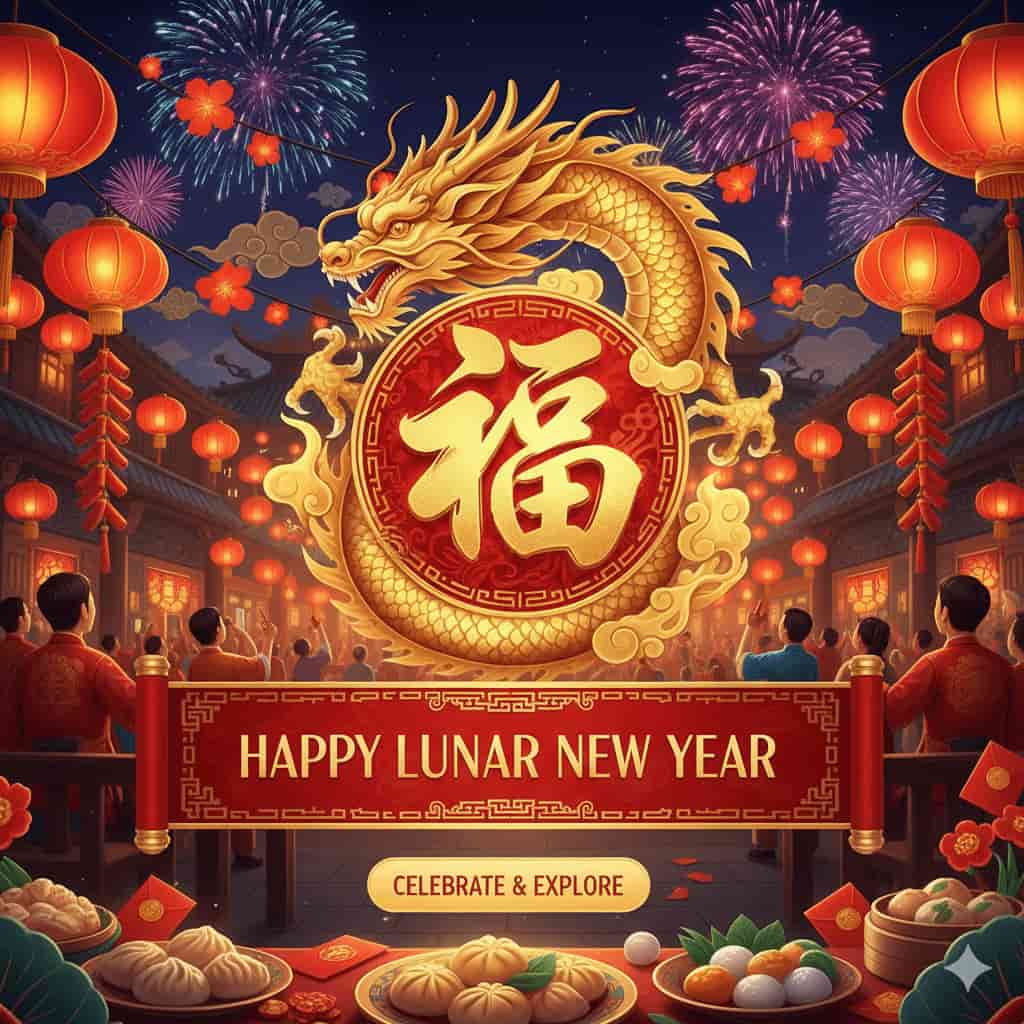
Let’s be honest. When you think of Chinese New Year, you probably picture a chaotic, colorful, and deliciously loud celebration. There are dragons dancing, firecrackers popping, and an overwhelming amount of food. But have you ever stopped to wonder *why*? Why is everyone obsessed with the color red? Why is it bad luck to sweep the floor? And what’s the deal with giving money in little red envelopes? It’s not just a party; it’s a complex, ancient, and surprisingly logical system of superstition, sociology, and sheer hope for a better year. Welcome to the ultimate, no-fuss, and slightly cheeky guide to Chinese New Year customs. We’re going to strip away the mystery and get to the heart of what makes the Lunar New Year tick, from its deep cultural roots to its modern, Instagram-worthy iterations. Consider this your survival manual—and your cheat sheet for sounding incredibly insightful at your next Lunar New Year gathering.
Mystic Dice Oracle
Roll the sacred dice to discover your fate
🎲
🎯
⭐
🌟
💫
🔮
🎲 Roll the Mystic Dice
Touch the dice to let fate decide your fortune
Consultations: 0
Dice Oracle
Consulting...
The mystic dice are rolling your fortune...
Please wait while the sacred dice reveal your destiny
More Than Just a Date: The Philosophy Behind the Frenzy
Before we dive into the specific rituals, let’s get one thing straight: Chinese New Year isn’t just a holiday; it’s a massive cultural reset button. Rooted in agrarian society, it marks the end of winter dormancy and the beginning of the spring planting season. The core philosophy is about renewal, reconciliation, and attracting good fortune (or *fu* 福). Every single custom, from the food you eat to the words you say, is designed to either usher in positive energy (*qi*) or ward off negative spirits (*nian*, which is also the word for “year”—coincidence? Not in Chinese culture!). It’s a holistic approach to life where your actions directly influence your luck. Think of it as the original manifestation trend, but with a few thousand years of peer-reviewed tradition backing it up. At ChineseFate, we see these customs as the practical application of a deeper cosmic calendar, intertwining with systems like the Chinese Zodiac and the Lunar Calendar.
The Grand Countdown: Customs in the Final Days of the Old Year
The celebration doesn’t start on New Year’s Day. Oh no, that would be too simple. The real action happens in the lead-up, a period filled with frantic preparation and symbolic cleansing. This is where you separate the casual observers from the serious participants.
Labao Festival & The Kitchen God Report
About a week before New Year’s Eve, there’s a warm-up act: the Labao Festival. It’s essentially a delicious porridge day, but the main event is bidding farewell to the Kitchen God, Zao Wangye. This celestial snitch lives above your stove and spends the year monitoring your family’s behavior. On Labao, he flies to the Jade Emperor to deliver his annual report. The custom? Smear his mouth with sticky, sweet treats (like malt candy) so his words are stuck together, or get him drunk on wine so he gives a glowing, if slurred, review. It’s a brilliantly human solution to divine surveillance—bribery with snacks.
The Great Pre-NY Cleanse (And Why You Stop)
Then comes the cleaning. Every corner of the house must be scrubbed, dusted, and organized. This isn’t about impressing your mother-in-law (though that’s a bonus); it’s about sweeping away the bad luck and misfortune of the past year. You’re making space for the new, fresh *qi* to flow in. But here’s the kicker: once New Year’s Day arrives, you must STOP. Put the broom down. Hiding it is recommended. Sweeping or taking out garbage during the first few days of the new year is believed to sweep away your newly arrived wealth and good fortune. It’s the world’s best excuse for post-party mess: “Sorry, can’t clean up, it’s bad luck!”
New Year’s Eve: The Reunion Dinner & Staying Up Late
New Year’s Eve is the emotional core of the entire festival. It’s all about family. The Reunion Dinner (*Nian Ye Fan*) is the most important meal of the year. People travel across countries—witnessing the world’s largest annual human migration—just to be at this table. The dishes are laden with symbolism (more on that later). After dinner, the custom is to stay up all night, known as *Shou Sui*. This vigil is meant to prolong the life of the family’s elders and ward off a mythical beast called *Nian*. In modern times, it just means watching the CCTV New Year’s Gala on TV with family until the midnight fireworks show.
| Day/Event | Key Custom | The Practical (and Philosophical) Reason | Modern Twist |
|---|---|---|---|
| Labao Festival (~8 days before) | Offer sweet food to the Kitchen God statue. | Ensure a good heavenly report via sugary bribery. | Post pics of your “Kitchen God altar” (a plate of candy) on social media. |
| Days Leading Up | Thoroughly clean the entire house. | Sweep out old, stagnant energy and misfortune. | The “Marie Kondo” phase of Lunar New Year. Does it spark joy for the new year? |
| New Year’s Eve Afternoon | Put up red couplets and “Fu” character posters. | Red wards off evil; “Fu” (fortune) is often hung upside-down, as “arrived” sounds like “upside-down”. | Order custom couplets online with witty or personalized messages. |
| New Year’s Eve Night | The Reunion Dinner, then staying up late. | Family unity and guarding against evil for the new year. | Group video calls with distant family members, watching livestreams together. |
New Year’s Day & Beyond: Greetings, Gifts, and Taboos
You’ve made it to the first day of the lunar new year! You’re tired, full, and the house is a mess you’re not allowed to touch. Now what? This is when the social rituals kick into high gear.
The Art of the New Year Greeting
Forget “Happy New Year.” The go-to phrase is “*Gong Xi Fa Cai*” (恭喜发财), which means “Wishing you prosperity.” You’ll say it to everyone. The correct response from elders or married couples? Handing you a red envelope (*hongbao*). It’s a beautifully efficient system: you offer good wishes, they reciprocate with a token of monetary fortune. Other popular greetings include “*Xin Nian Kuai Le*” (新年快乐, Simple Happy New Year) and “*Wan Shi Ru Yi*” (万事如意, “May all your wishes be fulfilled”).
Red Envelopes 101: The Rules of Lucky Money
The red envelope is the star of the show. The color red symbolizes luck and vitality, and the money inside (*ya sui qian*) is meant to transfer fortune and ward off evil spirits. But it’s a minefield of etiquette. The money should be *new, crisp bills*. Amounts should avoid the number 4 (sounds like “death”) and favor 8 (sounds like “prosperity”). They are given by married people to unmarried relatives, especially children, and by employers to employees. Opening one in front of the giver is a major faux pas. For a deep dive into this art form, check out our guide on Chinese Red Packet etiquette.
🎨 Lucky Colors
Colors that bring you luck today
Red
Blue
Gold
Green
Purple
Black
What NOT to Do: The Taboo List
Chinese New Year is as much about prohibition as it is about celebration. Breaking these taboos is believed to curse your entire year. It’s high-stakes superstition!
- No Sweeping/Taking Out Trash: As established, you’ll sweep your wealth away.
- No Crying, Arguing, or Swearing: You must start the year with harmony and joy. (Good luck with that after a long family dinner).
- No Breaking Things: Breaking dishes, glasses, etc., symbolizes the breaking of your connection to wealth and good fortune. If you do break something, immediately say “*Sui Sui Ping An*” (年年平安, “Peace year after year”), as “*sui*” sounds like “break.”
- No Using Scissors/Knives: Sharp objects could “cut” your luck and prosperity threads.
- No Unlucky Words: Avoid words like “death,” “sickness,” “poor,” “ghost,” etc. If you must reference something negative, use euphemisms.
- No Washing Hair on New Year’s Day: The word for “hair” (*fa*) sounds like the word for “prosperity” in some dialects. Washing it could mean washing your fortune away.
A Feast of Meaning: The Symbolic Power of Chinese New Year Food
This is arguably the best part. Every dish on the New Year’s table is a delicious pun or symbol. Eating isn’t just for sustenance; it’s an act of consuming good fortune.
| Food Item | Mandarin Name & Pronunciation | Symbolic Meaning | Why It’s Lucky (The Pun or Shape) |
|---|---|---|---|
| Fish | Yú (鱼) | Abundance & Prosperity | Sounds like “surplus” (余 yú). Must be served whole, with leftovers, to signify surplus year-round. |
| Dumplings | Jiǎozi (饺子) | Wealth (Gold Ingots) | Their shape resembles ancient Chinese gold ingots. Some families hide a coin in one for extra luck. |
| Spring Rolls | Chūnjuǎn (春卷) | Wealth & New Beginnings | Golden, cylindrical shape looks like gold bars. “Spring” in the name references the new season. |
| Glutinous Rice Cake | Niángāo (年糕) | Promotion & Growth | Sounds like “year high” (年高), implying a higher income, status, or growth in the new year. |
| Longevity Noodles | Chángshòu Miàn (长寿面) | Long Life & Happiness | They are served long and uncut. The longer the noodle you can eat without breaking, the longer your life. |
| Sweet Rice Balls | Yuánxiāo/Tāngyuán (元宵/汤圆) | Family Togetherness & Unity | Round shape symbolizes completeness and reunion. Eaten during the Lantern Festival. |
| Whole Chicken | Jī (鸡) | Family Unity & Good Fortune | Served whole to represent family togetherness. Also, “ji” sounds like “luck” in some contexts. |
For a complete menu planner, our Ultimate Chinese New Year Menu Guide has you covered.
Regional Flavors: How Customs Change Across China
China is vast, and so are its New Year traditions. Assuming all customs are the same is like assuming all European Christmas traditions are identical. Here’s a quick, hilarious tour:
- North vs. South Dumpling War: In the North, making and eating dumplings (*jiaozi*) on New Year’s Eve is non-negotiable. In the South, they might have a whole roast suckling pig and think your dumplings are cute, but basic.
- Guangdong & Hong Kong – The Candy Tray: A tray with eight compartments holds candied fruits and seeds, each with a meaning: candied lotus seeds (many children), coconut (togetherness), kumquat (gold and luck).
- Fujian – The “Eating Mindful” Noodles: They eat very long noodles but must finish the entire bowl without biting or breaking them—a true test of slurping skill and patience.
- Shanghai – Sticky Rice Balls in Soup: Their *tangyuan* are often savory, filled with minced meat and vegetables, served in a broth.
This incredible diversity is part of what makes the Spring Festival so rich and fascinating to explore.
🐲 Zodiac Calculator
Enter your birth year to discover your Chinese zodiac animal
Modern Twists & Global Celebrations
Chinese New Year customs are not frozen in amber. They’ve evolved brilliantly in the modern, globalized world. Digital red envelopes via WeChat and Alipay are now the norm, with billions sent virtually. Families separated by geography host reunion dinners over Zoom. The CCTV Gala gets roasted on social media. In cities like San Francisco, London, and Sydney, massive public parades blend traditional lion dances with local cultural elements. The core intent—family, fortune, and fresh starts—remains, but the expression is constantly updating. It’s a living tradition.
Your Action Plan: How to Participate (Without Embarrassing Yourself)
Feeling inspired to join in? Here’s a respectful, non-appropriative way to engage with Chinese New Year customs:
- Educate Yourself: You’re already doing it by reading this! Understanding the “why” is key.
- Greet Appropriately: Learn to say “*Gong Xi Fa Cai*” or “*Xin Nian Kuai Le*” to your Chinese friends, colleagues, or local shop owners.
- Accept Invitations: If you’re invited to a celebration or meal, go! Bring a gift of fruit (oranges and tangerines are great—they symbolize gold and luck).
- Respect the Taboos: If you’re in a celebrant’s home during the first few days, maybe don’t ask for a pair of scissors.
- Enjoy the Food: Be adventurous! Ask about the symbolism of the dishes. It’s a fantastic conversation starter.
- Support Local Celebrations: Attend a public parade or festival in your city. It’s a wonderful way to experience the community spirit.
| Category | Do This (For Good Luck!) | Avoid This (Bad Luck!) |
|---|---|---|
| Before NYE | Clean house thoroughly. Decorate with red. Send off Kitchen God sweetly. | Leave cleaning for after New Year’s Day. Use old, worn-out decorations. |
| On New Year’s Day | Wear new red clothes. Greet elders first. Give/Receive red envelopes with two hands. | Sweep, wash hair, use sharp objects, cry or argue, say unlucky words. |
| Food | Eat fish (whole), dumplings, longevity noodles, glutinous rice cake. | Finish all the fish (leave some for “surplus”). Cut the longevity noodles. |
| Gifts | Give oranges, tangerines, treats in even numbers. Give money in new bills in red envelopes. | Give clocks (sounds like “attend a funeral”), pears (sounds like “separate”), sharp objects, amounts with the number 4. |
| General Behavior | Be joyful, generous, and forgiving. Pay off debts before the new year. | Lend or borrow money on New Year’s Day. Break objects. |
The Heart of the Matter: Why These Customs Endure
At the end of all the noise, food, and rules, Chinese New Year customs endure because they answer a universal human need: hope. The hope for a healthier, wealthier, happier year. The hope for family harmony. The hope that our actions can influence our destiny. They provide structure, meaning, and a profound sense of connection—to family, to community, and to the cycles of nature and time. Whether you follow every taboo to the letter or just enjoy the dumplings, you’re participating in a millennia-old story of renewal. And as we at ChineseFate always say, understanding these cycles, like the powerful Year of the Fire Horse in 2026, gives us a unique lens to view our own lives. So, from all of us: *Gong Xi Fa Cai!* May your year be filled with laughter, prosperity, and absolutely no accidental floor-sweeping.