Discover your Chinese zodiac and Chinese New Year、Chinese Calendar in this place

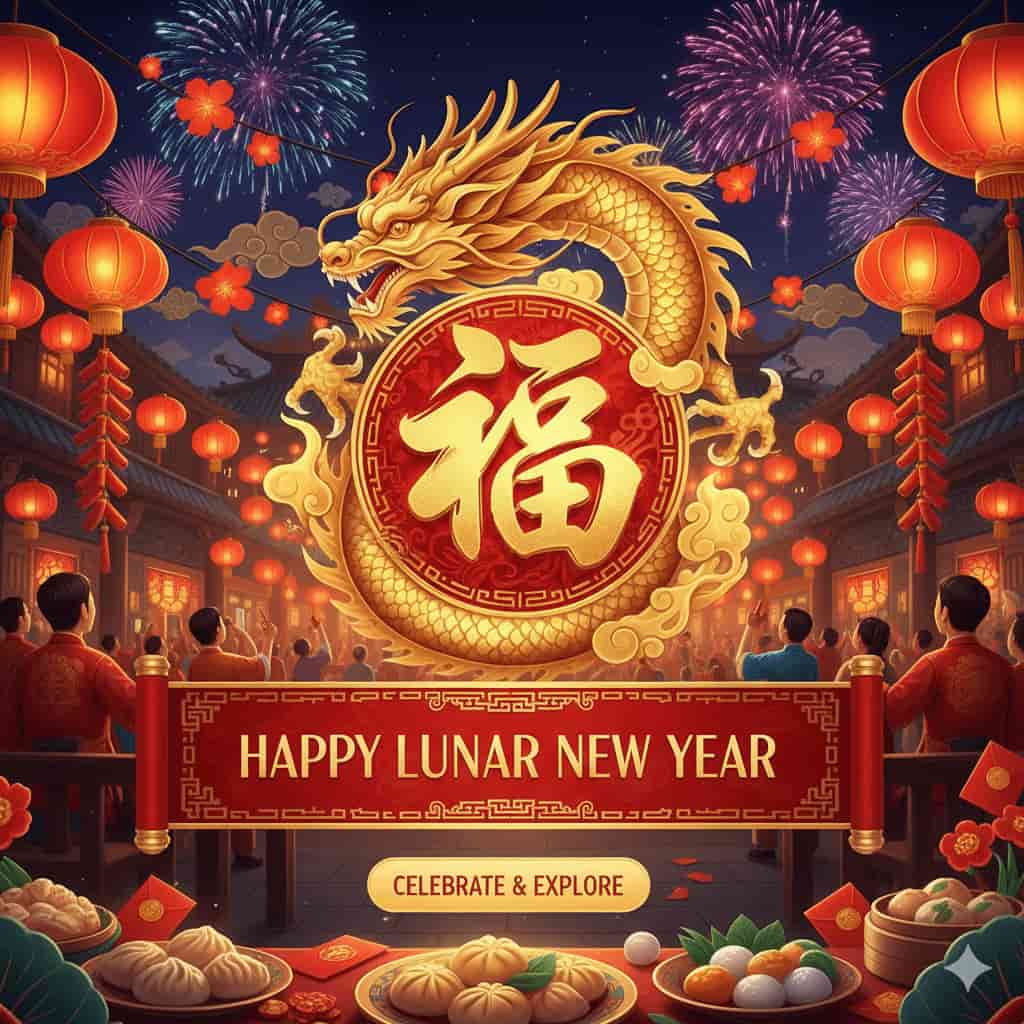
Chinese New Year Traditions: Your Ultimate Guide to Lunar Celebrations, Food, and Fortune
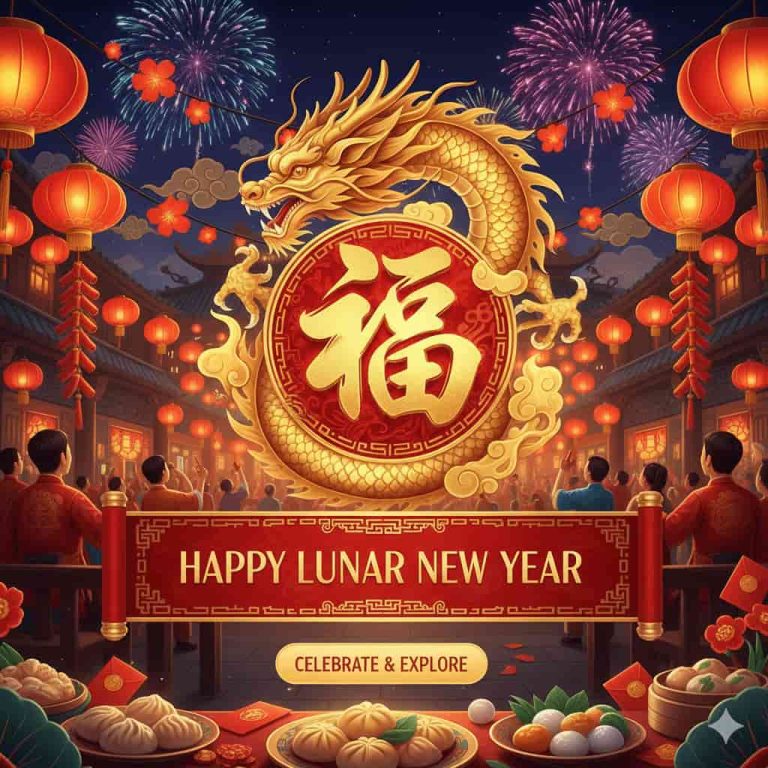
Let’s be honest: when most people think of Chinese New Year, they picture a dragon dance, some fireworks, and maybe receiving a lucky red envelope. It’s the cultural highlight reel. But what if I told you that this festival, also known as the Spring Festival, is a meticulously choreographed, 15-day cosmic reset button wrapped in delicious food, profound symbolism, and a few hilariously specific taboos? It’s not just a party; it’s an entire operating manual for attracting luck, honoring family, and setting the tone for the year ahead. Think of it as the ultimate combination of Thanksgiving, New Year’s Eve, and a massive family reunion, all governed by a lunar calendar and a healthy dose of ancient wisdom. At ChineseFate, we love peeling back the layers of these customs to show you not just the “what,” but the brilliant “why” behind them.
So, whether you’re curious about the logic behind not sweeping your floor on New Year’s Day (trust me, there is one), why fish is always on the menu but never fully eaten, or how to properly wish your friends “Gong Xi Fa Cai” without accidentally cursing them, you’re in the right place. We’re going on a deep dive into the traditions that make this festival tick, moving beyond the postcard images to the heart of the celebration. It’s a system designed to maximize joy, minimize bad vibes, and ensure you enter the new lunar cycle with your luck meter fully charged.
Mystic Dice Oracle
Roll the sacred dice to discover your fate
🎲
🎯
⭐
🌟
💫
🔮
🎲 Roll the Mystic Dice
Touch the dice to let fate decide your fortune
Consultations: 0
Dice Oracle
Consulting...
The mystic dice are rolling your fortune...
Please wait while the sacred dice reveal your destiny
More Than a Date: Understanding the Lunar Calendar and Zodiac Backdrop
First things first: forget January 1st. The Spring Festival is a moving target, dancing to the rhythm of the moon. Its date is determined by the Chinese lunar calendar, a lunisolar system that has guided agricultural and cultural life for millennia. The festival kicks off on the first new moon of the lunar year and culminates 15 days later with the Lantern Festival on the first full moon. This means the celebration can fall anywhere between January 21 and February 20 on the Gregorian calendar. In 2026, for instance, we’ll be ringing in the Year of the Fire Horse on February 17th.
But the date is just the opening act. The real headliner is the Chinese Zodiac animal presiding over the year. This 12-year cycle isn’t just a cute animal parade; it’s believed to impart specific energies and characteristics to the year and those born within it. The traditions you’ll see are often subtly (or not so subtly) influenced by the zodiac sign of the year. Preparing for a Year of the meticulous Ox might involve more careful financial planning in one’s customs, while a Year of the bold Tiger might see more audacious celebrations. It adds a layer of thematic fortune-telling to the entire festive season.
The Grand Countdown: Pre-New Year Rituals (La Yue)
The celebration doesn’t start on New Year’s Day. Oh no. The real magic—and hard work—begins during the 12th lunar month, known as La Yue. This is the spiritual and physical spring cleaning for your life. The goal is to sweep away any lingering misfortune from the old year to make a pristine space for incoming luck. We’re talking about a top-to-bottom scrub-down that would put any professional cleaner to shame. But here’s the catch: once the new year arrives, you put that broom away. Sweeping during the festival is symbolically sweeping your *new* luck out the door! It’s one of the first lessons in the festival’s logic: intense preparation followed by mindful rest and enjoyment.
This period is also a shopping extravaganza. Markets overflow with goods for the New Year, from ingredients for the feast to new clothes (preferably red, and head-to-toe new, symbolizing a fresh start), decorations, and gifts. The most iconic purchase? The humble red envelope, or *hongbao*. These aren’t just gift cards; they are vessels for transferring blessings and protective energy from elders to the younger generation. The act is as important as the cash inside. Speaking of preparation, the kitchen becomes the heart of the home. Families prepare special foods ahead of time, like steamed cakes (*niangao*), which symbolize “rising higher” each year, and various dumplings, whose shape resembles ancient gold ingots. It’s a delicious form of financial planning.
| Ritual | Purpose & Symbolism | Modern Twist / Tip |
|---|---|---|
| Thorough House Cleaning | To sweep away (*huiqi*) any bad luck, misfortune, and negative energy accumulated from the past year. Creates a clean slate. | Make it a family activity! Put on music and delegate rooms. The key is to finish before New Year’s Eve. |
| Settling Debts & Resolving Conflicts | Enter the new year with a clear conscience and no burdens. Starts the year with positive social and financial karma. | A great time for personal reflection. Forgive old grudges, even if just in your heart, to start fresh. |
| Shopping for New Clothes & Decorations | New clothes (especially in red) symbolize a new beginning and ward off evil. Decorations usher in prosperity. | You don’t need a full red suit. A red accessory (scarf, socks, tie) works perfectly to tap into the lucky vibe. |
| Preparing Festival Foods | Foods like *niangao* (sticky cake) promise a “higher year,” and dumplings attract wealth. Also ensures more time to feast later. | Host a dumpling-making party with friends before the big day. It’s fun, social, and gets the prep done. |
| Offering Sacrifices to the Kitchen God | To send the Kitchen God to heaven with a sweet report about the family, ensuring his blessing for the coming year. | A simpler modern version: give your kitchen a deep clean and place some sweet candies or honey near the stove as an offering. |
New Year’s Eve: The Reunion Dinner (& Why Fish is a Tease)
This is the Super Bowl of family gatherings. No matter where they are in the world, people undertake the largest annual human migration (the *Chunyun*) to get home for this meal. The reunion dinner, or *tuannianfan*, is non-negotiable. It’s a feast of symbolism, where every dish on the table carries a wish for the future. Let’s decode the menu:
The Fish (*Yu*): This is the masterpiece of culinary suspense. A whole fish (head, tail, everything) is served, but it must not be completely eaten. Why? Because the word for “fish” (*yu*) sounds like the word for “surplus” or “abundance.” Leaving some leftover symbolizes that you will have surplus wealth and prosperity every year. It’s the only time being a picky eater is actively encouraged!
Dumplings (*Jiaozi*): Shaped like ancient gold or silver ingots, these are little edible pockets of wealth. Some families even hide a clean coin in one dumpling; the finder is believed to have extra luck in the coming year (dentist bills notwithstanding).
Longevity Noodles (*Changshou Mian*): These are served uncut, as long as possible. The length symbolizes a long and healthy life. The challenge is to eat them without breaking the noodles—a slurping spectacle that’s perfectly polite for the occasion.
After the feast, families stay up late, playing games, chatting, and watching the CCTV New Year’s Gala. This custom is called *Shousui*—literally “guarding the year.” It symbolizes guarding against the mythical beast *Nian* (which the festival originates from) and, more poetically, wishing for the longevity of one’s parents. At midnight, fireworks and firecrackers erupt to literally blast away any remaining evil spirits with noise and light. It’s chaotic, deafening, and utterly exhilarating.
🎨 Lucky Colors
Colors that bring you luck today
Red
Blue
Gold
Green
Purple
Black
The First 15 Days: A Day-by-Day Guide to Luck and Taboos
The festival unfolds like a carefully scripted play, with each day having its own theme and set of recommended (and forbidden) activities. It’s a masterclass in intentional living. Here’s a snapshot of the most significant days and their “rules.”
| Day | Name & Focus | What To Do | Key Taboos (What NOT To Do) |
|---|---|---|---|
| Day 1 | Welcoming the Gods / Visiting Elders | Wear new red clothes. Greet family with auspicious phrases. Visit the oldest generation of the family (parents, grandparents). Eat vegetarian food to cultivate kindness. | NO sweeping or taking out garbage (you’ll sweep away new luck). NO using scissors/knives (cuts off fortune). NO negative words or crying. |
| Day 2 | Praying to Ancestors / Sons-in-Law Day | Married daughters visit their birth parents. Businesses pray for prosperity. It’s the day to be extra kind to dogs, as legend says this is their birthday. | Avoid laundry (it’s seen as washing away good fortune). Don’t have overly lavish celebrations. |
| Day 3 | Red Mouth Day / Chigou’s Day | Stay home and relax! This day is associated with arguments. It’s a perfect day for resting after the initial festivities. | DO NOT visit friends or family (to avoid potential conflict). Avoid going out if possible. |
| Day 4 | Welcoming the Kitchen God Back | Prepare offerings to welcome the Kitchen God back from his heavenly report. Some businesses perform ceremonies to “re-open” for the year. | Don’t be stingy with the offerings for the Kitchen God—you want him happy! |
| Day 5 | Po Wu / Welcoming the God of Wealth | This is the day to officially “break the rules” of the first days. Firecrackers are set off to attract the God of Wealth. Many businesses reopen. | The main taboo period ends. You can finally sweep the floor (sweeping from the outside in to gather wealth)! |
The festival continues with days dedicated to different relationships and themes, building towards the spectacular finale. Day 7 is *Renri*, or “Everyone’s Birthday,” a day for eating “birthday” noodles. The 9th day is a major celebration for the Jade Emperor, the supreme deity. But the grand climax is the 15th day: the Lantern Festival (*Yuanxiao Jie*). Streets and parks are adorned with magnificent lantern displays, often themed around the year’s zodiac animal. People solve riddles written on lanterns, watch lion dances, and eat sweet glutinous rice balls (*tangyuan*), whose round shape symbolizes family unity and completeness. It’s a sweet, luminous end to the seasonal celebration.
The Language of Luck: Greetings, Gifts, and Major Taboos
Communication during Chinese New Year is a minefield of homophones and symbolism. It’s less about casual chat and more about verbally manifesting good fortune. The standard greeting, “Gong Xi Fa Cai” (恭喜發財), means “Wishing you prosperity.” But you’ll also hear “Xin Nian Kuai Le” (新年快樂) for “Happy New Year.” To elders, you say “Wan Shi Ru Yi” (萬事如意), meaning “May all your wishes be fulfilled.”
Gift-giving is equally symbolic. The quintessential gift is the red envelope (*hongbao* or *lai see*) containing “lucky money.” It’s given by married couples to children and unmarried younger adults. The amount should be in even numbers (odd numbers are for funerals), and avoid the number 4 (sounds like “death”). Never give an empty red envelope—that’s just rude. Other popular gifts are fruit baskets (especially oranges and tangerines, symbolizing gold and luck), sweets, and fine tea.
Now, for the fun part: the taboos. These aren’t just old superstitions; they are behavioral guidelines to avoid accidentally summoning bad juju. We’ve mentioned the big ones—no sweeping, no crying, no breaking things. But the list is wonderfully specific:
- No Hair Washing on Day 1: You might “wash away” your good fortune. (Thank goodness for dry shampoo).
- No Medicine: Taking medicine on New Year’s Day suggests you’ll be sick all year. (Obviously, use common sense and prioritize health).
- No Porridge for Breakfast: In ancient times, only poor people ate porridge. You should eat lavish, symbolic foods instead.
- No Giving Books: The word for “book” (*shu*) sounds like the word for “lose.” Not a great omen for a new year.
- No Killing: This promotes compassion and prevents bloodshed, which is associated with violence and bad luck.
The underlying principle is clear: the start of the year sets the pattern for the rest of it. So, you fill your days with abundance, joy, harmony, and careful words, hoping the pattern will stick.
🐲 Zodiac Calculator
Enter your birth year to discover your Chinese zodiac animal
Modern Celebrations: From Temples to TikTok
While rooted in ancient agrarian and spiritual life, Chinese New Year traditions have evolved brilliantly. In mega-cities like Beijing, Shanghai, and Hong Kong, you’ll find dazzling light shows and high-tech lantern installations alongside traditional temple fairs. The CCTV New Year’s Gala, while a staple, now competes with streaming services and social media. Digital red envelopes via WeChat and Alipay have become a massive trend, allowing people to send blessings instantly across the globe—a perfect fusion of old custom and new technology.
For the diaspora and global audiences, the festival has become a point of cultural pride and sharing. Major cities worldwide host massive parades. Schools teach children about the zodiac. Supermarkets stock festive foods. It’s no longer just a Chinese celebration; it’s a global cultural event. The core remains—family, food, fortune—but the expression adapts. You might see a lantern shaped like a popular cartoon character or a viral TikTok dance set to a classic New Year song. The spirit is resilient and inclusive.
Your Personal Spring Festival: How to Participate Anywhere
You don’t need to be Chinese or have a massive family to tap into the positive, resetting energy of the Spring Festival. Here’s how anyone, anywhere, can celebrate:
- Host a Potluck Reunion Dinner: Invite your chosen family or friends. Ask everyone to bring a dish that symbolizes a wish for the new year (e.g., a whole fish for abundance, long noodles for health, oranges for wealth). Explain the symbolism as you eat!
- Conduct a “Luck Cleaning”: Before the new year, clean your home thoroughly. As you do, mentally let go of grudges, regrets, or anxieties from the past year. Write them down and safely burn or shred the paper as a symbolic release.
- Wear Something Red: On New Year’s Day, incorporate red into your outfit. It’s the color of luck and vitality.
- Give a Red Envelope: Even if it’s just a few dollars or a thoughtful note in a red card, give it to a child or a friend starting a new venture. It’s the gesture of wishing them prosperity that counts.
- Visit a Local Celebration: Find a Chinese cultural festival or parade in your city. Immerse yourself in the sights, sounds, and smells.
- Set Intentions, Not Just Resolutions: Use the lunar new year as a more intuitive, cyclical time to set goals. What energy do you want to invite in? What do you want to grow? Consult your Chinese zodiac sign’s forecast for the year for fun thematic inspiration.
At its heart, the tapestry of Chinese New Year traditions is about the most universal human desires: health, safety, prosperity, and family harmony. It uses symbolism, ritual, and a heck of a lot of good food to make those desires tangible. It teaches that luck isn’t entirely random; it can be cultivated through mindful action, positive speech, and generous spirit. So, this lunar new year, whether you’re watching a dragon dance in person or simply enjoying a plate of dumplings at home, remember you’re participating in a centuries-old, global ritual of hope. And that, as we at ChineseFate believe, is a beautiful tradition anyone can adopt. Gong Xi Fa Cai!