Discover your Chinese zodiac and Chinese New Year、Chinese Calendar in this place

Chinese Zodiac Animals: Beyond Personality Traits to a Complete System of Destiny and Time
For many in the West, the Chinese Zodiac animals are a charming cultural artifact—a yearly horoscope in the back of a magazine or a decorative motif on a calendar. You might know you were born in the Year of the Dragon or the Rabbit, and you may have read a few lines about being charismatic or cautious. But this surface-level understanding misses the profound depth of one of humanity’s oldest, most continuous systems for understanding personality, destiny, and the very flow of time itself. At ChineseFate, we approach the Zodiac not as a party trick, but as a complex philosophical framework. This article will guide you beyond the simple animal labels to explore the Chinese Zodiac as a dynamic system integrating elemental forces, Yin-Yang balance, earthly branches, and practical life wisdom, offering a uniquely Eastern lens for self-discovery and navigating life’s cycles.
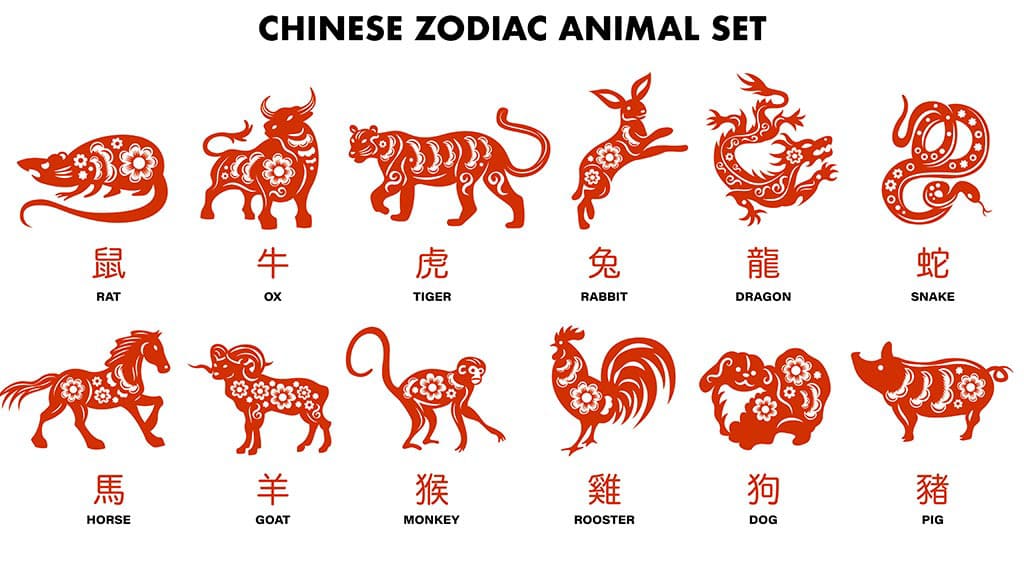
The 12-animal cycle is far more than a bestiary of personality quirks. It is a symbolic language for articulating the relationship between cosmic patterns and human affairs. Unlike Western astrology, which maps personality against a celestial snapshot (the positions of planets at birth), the Chinese system is fundamentally chronological and terrestrial. Your zodiac sign is determined by your lunar birth year, anchoring you to a specific moment in a repeating 12-year temporal rhythm. This creates a philosophy where destiny is intertwined with timing, and character is understood through the metaphorical attributes of an animal navigating the challenges and opportunities of its natural environment. Let’s embark on a journey to decode this sophisticated system.
🐲 Zodiac Calculator
Enter your birth year to discover your Chinese zodiac animal
The Mythological Origin and Historical Evolution: More Than a Race
The popular legend of the Jade Emperor’s race is a delightful folk tale, but the historical roots of the Chinese Zodiac animals are intertwined with ancient astronomy, calendrical science, and totemic worship. As early as the Warring States period (475–221 BCE), a system of twelve Earthly Branches (Dì Zhī) was used to mark time, divided into years, months, days, and hours. The pairing of these abstract branches with specific animals likely evolved over centuries, possibly influenced by nomadic tribes’ animal-based calendars and the need for a memorable, popular system to disseminate the complex lunisolar calendar to the agrarian populace.
This was not merely superstition; it was applied cosmology. The choice of animals reflects deep observation of their natural behaviors and ecological niches, which were then mapped onto human characteristics and seasonal activities. The Rat, associated with the midnight hour and the beginning of the cycle, symbolizes resourcefulness and new beginnings. The Ox, steadfast and strong, represents the early morning labor. This connection creates a system where the zodiac is not arbitrary but is grounded in a perceived natural order, a concept that resonates with modern ecological and systems-thinking perspectives.
Deconstructing the Zodiac: The Four Pillars of Destiny (Bā Zì)
To truly grasp the power of the Chinese Zodiac animals, you must understand that your birth-year animal is just one of four pillars in your astrological chart, known as Bā Zì (Eight Characters). This is where Chinese astrology separates from simple sun-sign astrology. Your complete profile is built from the year, month, day, and hour of your birth, each represented by an Heavenly Stem and an Earthly Branch (the animal).
- The Year Pillar: Represents your outer personality, ancestral heritage, and how you are perceived in society. This is your familiar zodiac animal.
- The Month Pillar: Governs your young adulthood, career trajectory, and parents. It’s crucial for understanding your professional aptitudes.
- The Day Pillar: The core of the self. The Day Stem represents you, and the Day Branch (animal) symbolizes your spouse/partner and inner world.
- The Hour Pillar: Rules your later years, children, and private thoughts. It’s often called the “fruit” of your life.
Thus, a person might be a Year of the Tiger (bold, leader-like) but have a Day Branch of the Rabbit (sensitive, diplomatic), creating a complex internal dynamic between assertiveness and tact. This multi-layered approach prevents the simplistic labeling that plagues popular astrology and allows for nuanced, individualized interpretation, a service platforms like ChineseFate are built to provide.
The 12 Chinese Zodiac Animals: A Deep Psychological and Strategic Profile
Let’s move beyond one-line descriptors. Each animal embodies a core survival strategy, a way of interacting with the world that carries inherent strengths and challenges. When understood deeply, these profiles offer powerful metaphors for personal development and interpersonal dynamics.
| Animal | Core Archetype & Survival Strategy | Modern Career/Leadership Analogy | Key Growth Challenge |
|---|---|---|---|
| Rat (鼠) | The Adaptive Innovator. Thrives in scarcity by being quick-witted, opportunistic, and excellent at resource management. | The startup founder, venture capitalist, or crisis manager. Excels in fast-paced, uncertain environments. | Moving from short-term opportunism to long-term vision; building trust beyond immediate gain. |
| Ox (牛) | The Diligent Architect. Builds through unwavering perseverance, reliability, and systematic effort. Trust is earned through action. | The project engineer, tenured professor, or master craftsman. The backbone of any institution. | Learning flexibility and delegation; avoiding stubbornness or burnout from silent endurance. |
| Tiger (虎) | The Charismatic Catalyst. Creates change through bold action, courage, and innate authority. Inspires through passion. | The transformational CEO, activist, or pioneer in a new field. Natural in roles requiring vision and rallying others. | Channeling impulsiveness into sustained strategy; developing patience and diplomatic finesse. |
| Rabbit (兔) | The Diplomatic Harmonizer. Ensures safety and stability through tact, empathy, and aesthetic sense. Avoids direct conflict. | The HR director, therapist, diplomat, or creative director. Excels in roles requiring emotional intelligence and consensus-building. | Developing the courage for necessary confrontation; avoiding passive-aggression or excessive risk-aversion. |
| Dragon (龙) | The Visionary Force. Operates on a grand scale with boundless energy, luck, and a desire to inspire and achieve the extraordinary. | The visionary entrepreneur, inspirational leader, or innovative artist. Drawn to legacy-building endeavors. | Managing ego and unrealistic expectations; learning the mundane steps required for grand visions. |
| Snake (蛇) | The Strategic Analyst. Succeeds through deep perception, patience, and calculated action. Values wisdom, mystery, and depth. | The strategist, researcher, psychiatrist, or forensic analyst. Masters of complex systems and hidden motives. | Overcoming suspicion or secretiveness; learning to trust and collaborate openly without losing strategic edge. |
| Horse (马) | The Independent Explorer. Seeks freedom, adventure, and direct experience. Motivated by mobility, passion, and peer recognition. | The freelance consultant, sales director, explorer, or athlete. Thrives on autonomy and visible achievement. | Cultivating commitment and seeing long projects through; managing a restless spirit. |
| Goat (羊) | The Creative Empath. Prioritizes harmony, beauty, and emotional connection. Nurtures through creativity and compassion. | The artist, healer, environmentalist, or team culture coordinator. Brings empathy and aesthetics to any field. | Building resilience and practical skills; avoiding oversensitivity or dependency in pursuit of harmony. |
| Monkey (猴) | The Intelligent Problem-Solver. Navigates the world with cleverness, curiosity, and improvisational skill. Masters social and technical puzzles. | The software developer, PR expert, inventor, or entertainer. Excels in dynamic, problem-solving roles. | Directing intelligence toward substantial, lasting work rather than short-term tricks; earning deep trust. |
| Rooster (鸡) | The Precise Organizer. Creates order through clear communication, diligence, and high standards. Values transparency and punctuality. | The journalist, auditor, logistics manager, or public speaker. The clarifier and organizer in any system. | Softening critical judgment; balancing perfectionism with pragmatism and human error. |
| Dog (狗) | The Loyal Advocate. Operates on a core of loyalty, integrity, and service. Protects the tribe and fights for justice. | The social worker, detective, ethical lawyer, or systems administrator. The guardian of people and principles. | Learning to trust wisely without becoming cynical; managing anxiety and finding optimism. |
| Pig (猪) | The Generous Hedonist. Pursues enjoyment, comfort, and genuine human connection. Generous, sincere, and appreciates life’s pleasures. | The chef, philanthropist, hospitality manager, or anyone in “well-being” industries. Cultivates enjoyment and community. | Developing discernment to avoid naivete or over-indulgence; coupling enjoyment with disciplined purpose. |
This framework allows you to see the zodiac not as a fixed personality type, but as a repertoire of energies. You might identify with your Moon Rabbit’s need for harmony in personal life while channeling your Day Tiger’s boldness in your career. Understanding these archetypes can help you identify your innate strengths, anticipate your blind spots, and appreciate the complementary strategies of those around you.
📅 Daily Horoscope
Select your zodiac sign to get personalized predictions for today
♈
Aries
♉
Taurus
♊
Gemini
♋
Cancer
♌
Leo
♍
Virgo
♎
Libra
♏
Scorpio
♐
Sagittarius
♑
Capricorn
♒
Aquarius
♓
Pisces
The Critical Layer: The Five Elements (Wood, Fire, Earth, Metal, Water)
If the animals are the “actors,” the Five Elements (Wǔ Xíng) are the “stage” and “script” that define the quality and expression of their energy. Each zodiac year is also governed by one of these elements, creating a 60-year cycle (12 animals x 5 elements). The element modifies the animal’s core nature dramatically.
For example, a Fire Tiger (like those born in 1986) is explosive, dramatic, and intensely passionate—a natural leader but prone to burnout. A Water Tiger (1962, 2022), however, is more fluid, persuasive, and strategic, using emotional intelligence to lead. The Fire Tiger charges; the Water Tiger flows. This explains why people born under the same animal sign can seem so different. The element adds a dimension of style, temperament, and mode of action.
| Element | Core Quality | Effect on a Zodiac Animal (e.g., Dragon) | Life Domain Most Affected |
|---|---|---|---|
| Wood | Growth, Expansion, Benevolence | A Wood Dragon is idealistic, focused on growing communities or businesses, a “benevolent force.” | Career, Long-term Projects |
| Fire | Energy, Passion, Transformation | A Fire Dragon is charismatic, inspirational, and dramatic, but can be impulsive or domineering. | Public Image, Romance |
| Earth | Stability, Nurturing, Practicality | An Earth Dragon is grounded, focuses on tangible results and legacy, less flighty than other Dragons. | Finance, Home/Family |
| Metal | Discipline, Structure, Precision | A Metal Dragon is a focused executor, building empires with rules and precision, but can be rigid. | Systems, Law, Discipline |
| Water | Intelligence, Adaptability, Flow | A Water Dragon is strategic, persuasive, and uses influence rather than force; the most adaptable Dragon. | Intelligence, Strategy, Networking |
This elemental interplay is crucial for accurate Chinese astrology. It moves analysis from “You are a Dragon” to “You are a Water Dragon in a year of Fire Horse energy,” allowing for nuanced forecasts about how universal trends might interact with your personal elemental makeup.
Chinese Zodiac Compatibility: A Dynamic Model of Interaction
Compatibility is one of the most sought-after applications of the zodiac. The simplistic “Dragon and Rat are a perfect match” model is incomplete. True compatibility analysis in Chinese metaphysics considers multiple factors: the Four Pillars interaction, the elemental balance between charts, and the traditional “affinity” triangles and oppositions among the animals.
The most famous groupings are the Triangles of Affinity (Rat, Dragon, Monkey – the “Water” group; Ox, Snake, Rooster – the “Earth” group; Tiger, Horse, Dog – the “Wood” group; Rabbit, Goat, Pig – the “Metal” group). These groups share similar elemental resonances and communication styles. However, opposites can also attract powerfully, as in the case of the Rat and Horse, though they may require more work. A sophisticated view, as practiced in Chinese Zodiac interpretation, looks at the full Bā Zì chart. Your Day Pillar animal represents your spouse, so comparing that to your partner’s chart is far more revealing than just comparing year animals.
Practical Application for Western Readers: A Tool for Self-Reflection and Timing
How can you, as a Westerner with no cultural background, use this system meaningfully? Not for fatalistic predictions, but as a rich framework for self-reflection and strategic life navigation.
- Understand Your Native Energies: Use your animal and element profile (easily found via a Chinese Zodiac year calculator) as a mirror. Are you a Wood Sheep? Perhaps your need for creative, harmonious work isn’t a weakness but a core strength to be leveraged. Are you a Metal Rooster? Your critical eye is an asset in quality control, not just a social hurdle.
- Navigate Interpersonal Dynamics: Instead of getting frustrated with a colleague’s stubbornness, recognizing them as an Earth Ox might help you approach them with patience and concrete data rather than emotional appeals. Understanding a partner’s Snake-like need for privacy can foster trust.
- Strategic Timing (Zeitgeist Reading): Each year brings the energy of a specific animal and element. The upcoming 2026 Year of the Fire Horse will be characterized by speed, competition, passion, and sudden change. Knowing this, you might choose to launch competitive initiatives (Horse energy) in 2026 but focus on building stable infrastructure (Ox energy) in 2025. It’s about surfing the wave of the cultural and energetic zeitgeist.
- Cross-Cultural Bridge: In business or social settings with Chinese partners, knowing their zodiac sign can offer subtle insights into their values and communication style, showing respect for their cultural context.
🎲 Lucky Numbers
Get your fortune numbers for today
Common Misconceptions and How to Avoid Them
To engage with the Chinese Zodiac respectfully and effectively, dispelling myths is essential.
- Misconception 1: It’s just like Western Astrology. As outlined, the systems have different bases (lunar year vs. solar/planetary positions) and philosophical underpinnings (cyclical time vs. celestial mapping).
- Misconception 2: Your sign dictates your unchangeable fate. Chinese philosophy views fate (Mìng) as a set of predispositions and circumstances, but fortune (Yùn) is the flow of luck and opportunity that can be navigated with wisdom and action. The zodiac is a map, not the territory.
- Misconception 3: All people born in the same year are identical. The Four Pillars, elemental interactions, and individual choices create immense variety. The sign is a core archetype, not a personality clone.
- Misconception 4: It’s only about birth years. The zodiac animals also rule months (your “inner animal”), days, and even two-hour periods of the day, offering layers of personal insight.
Conclusion: The Zodiac as a Living Philosophy
The Chinese Zodiac animals are gateways to a vast and nuanced tradition that views human life as an integral part of nature’s cycles. By moving beyond the simplistic “What’s my sign?” approach, we can access a tool for profound self-awareness, improved relationships, and strategic alignment with the rhythms of time. It encourages us to see our personalities not as random, but as part of a larger, interconnected narrative of energy and transformation.
At ChineseFate, our mission is to make this deep cultural wisdom accessible and applicable. We invite you to explore not just your birth year animal, but to delve into the richer layers of your personal chart. Discover how the elemental force of your sign shapes your expression, or explore the unique forecast for your sign in the dynamic Year of the Fire Horse 2026. The journey of understanding your place in these ancient cycles is a journey into a more mindful, strategic, and connected way of living.
Ready to move beyond the surface? Use our tools and guides to calculate your full Four Pillars, explore your elemental makeup, and begin interpreting the sophisticated language of your own destiny. The wisdom of the ancients awaits, not to limit you, but to illuminate your unique path.