Discover your Chinese zodiac and Chinese New Year、Chinese Calendar in this place

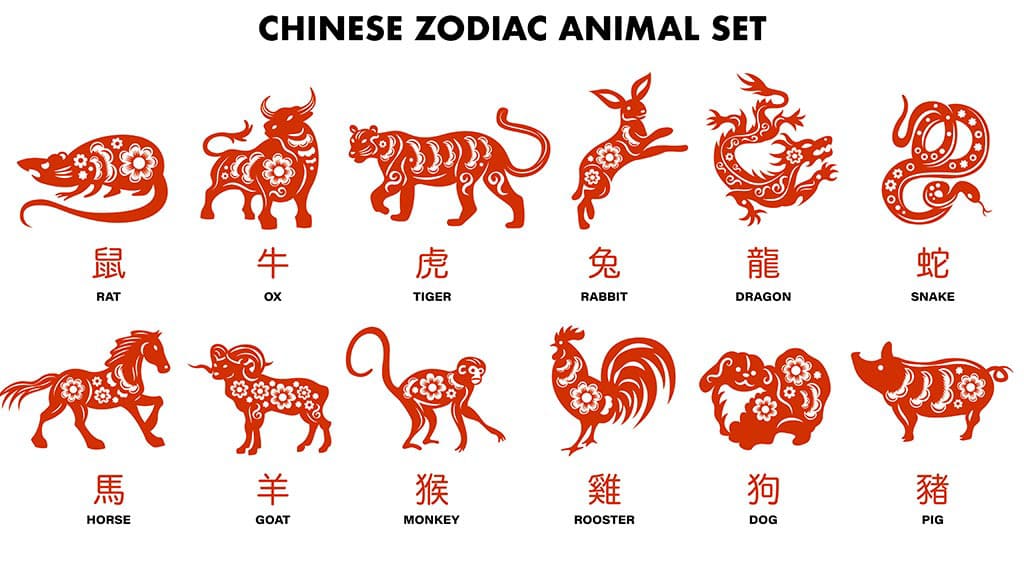
The 12 Zodiac Animals Decoded: A Western Guide to China’s Personality Blueprint
For many in the West, the 12 zodiac animals are a charming cultural footnote—a symbol on a calendar, a cute figurine, or a yearly horoscope predicting luck. But to reduce this system to mere fortune-telling is to miss its profound depth. At ChineseFate, we view the Chinese zodiac not as a parlor game, but as a sophisticated, multi-layered framework for understanding human nature, interpersonal dynamics, and one’s place in the cycles of time. It is a 4,000-year-old personality typology and philosophical model that rivals modern psychology in its complexity. This guide is designed for the curious Western mind: we will decode the 12 zodiac animals, not just list their traits, but explore the *why* behind their design, compare them to familiar Western concepts, and demonstrate how this ancient system offers startlingly relevant insights for modern life, career, and relationships.
The genius of the system lies in its elegant simplicity masking intricate complexity. You know your sign—the Rat, the Ox, the Tiger, etc. But do you know your sign’s hidden element (Wood, Fire, Earth, Metal, Water)? Its yin or yang polarity? Its fixed season and hour of the day? These layers transform a single animal from a stereotype into a nuanced profile. This article will bridge the cultural gap, translating this rich symbolism into a language of self-discovery that resonates whether you’re in New York, London, or Sydney.
🐲 Zodiac Calculator
Enter your birth year to discover your Chinese zodiac animal
Beyond the Race: The Myth, History, and Philosophical Engine of the Zodiac
The popular legend of the Great Race, where the Jade Emperor decreed the animal order based on who crossed a river first, is an engaging folktale. However, the true origins of the 12 zodiac animals are rooted in a fusion of ancient astronomy, calendrical science, and Taoist philosophy. As early as the Warring States period (475–221 BCE), Chinese astronomers had correlated the celestial path of Jupiter (the “Year Star”) with a 12-year cycle. Each year was assigned an earthly branch, represented later by an animal for mnemonic and symbolic ease. This wasn’t arbitrary; it was a cosmic mapping of time onto tangible, observable earthly phenomena.
The selection of these specific animals is a masterclass in symbolic logic. They are not merely the “most important” animals, but a deliberate set representing a complete ecosystem and social order: domestic (Ox, Sheep, Rooster, Dog, Pig), wild (Tiger, Rabbit, Monkey, Snake), mythical (Dragon), and pest (Rat). This reflects a holistic worldview where humanity exists within, not apart from, the natural and social world. Each creature embodies a cluster of attributes—strength, cunning, diligence, charm—that were observed as fundamental archetypes of human behavior. At ChineseFate, we emphasize that understanding this philosophical bedrock is key to moving beyond superficial horoscopes and into meaningful self-analysis.
The Core Archetypes: A Deep Dive into Each of the 12 Zodiac Animals
Let’s move beyond one-line descriptors. Each sign is a universe of traits, driven by core motivations and shadow challenges. Here, we analyze them not as isolated signs, but as part of a dynamic, interlocking system.
The Rat (鼠): The Strategic Survivor
Western readers often misunderstand the Rat, seeing only the pest. In Chinese symbolism, the Rat is the ultimate intelligent survivor. First in the zodiac, it represents new beginnings, resourcefulness, and acute social intelligence. Think of the savvy entrepreneur who spots an opportunity others miss (like the Rat arriving first not by brute strength, but by cunning). Their challenge is a tendency toward opportunism and hoarding. In Western terms, a Rat might share the strategic vision of an ENTJ (MBTI) but with the adaptive charm of a high-EQ networker.
The Ox (牛): The Unshakeable Foundation
The Ox is the bedrock. It embodies diligence, perseverance, and silent strength. This is the sign of the master craftsman, the tenacious researcher, the reliable backbone of any project. Their stability is their superpower, but it can manifest as stubbornness and an aversion to sudden change. Compare this to the “Conscientiousness” trait in the Big Five personality model, pushed to its highest, most dependable level. An Ox finds fulfillment in systems, legacy, and tangible results.
The Tiger (虎): The Charismatic Catalyst
The Tiger is raw charisma and courage personified. Tigers are natural leaders, rebels, and risk-takers who thrive on challenge and command attention. Their energy is yang, explosive, and magnetic. However, their impulsiveness and pride can lead to unnecessary conflict. In a Western context, think of the classic “Type A” leader or adventurer, driven by a deep need for authenticity and impact. They are the catalysts for change, for better or worse.
To explore the dynamic energy of the Tiger in the coming year, see our dedicated Tiger Horoscope 2026.
📅 Daily Horoscope
Select your zodiac sign to get personalized predictions for today
♈
Aries
♉
Taurus
♊
Gemini
♋
Cancer
♌
Leo
♍
Virgo
♎
Libra
♏
Scorpio
♐
Sagittarius
♑
Capricorn
♒
Aquarius
♓
Pisces
The Rabbit (兔): The Diplomatic Harmonizer
Often mislabeled as merely “shy,” the Rabbit is actually the zodiac’s supreme diplomat and aesthete. Rabbits possess exceptional emotional intelligence, seeking peace, beauty, and security above all. They are tactful, artistic, and skilled at navigating social complexities without confrontation. Their shadow side is a tendency toward passivity and anxiety. This aligns closely with the “Agreeableness” factor in psychology and the mediator role in team dynamics. A Rabbit creates safety and harmony wherever they go.
The Dragon (龍): The Visionary Force
The only mythical creature in the zodiac, the Dragon stands apart. It represents boundless energy, innovation, luck, and charismatic authority. Dragons are born to inspire and transform on a grand scale. Their challenge is arrogance and a volatility that can burn out themselves and others. Unlike the Western dragon often depicted as a hoarder, the Chinese Dragon is a benevolent, celestial force of creativity. In modern terms, they are the visionary CEOs, the groundbreaking artists, the larger-than-life personalities who define eras.
For those with the Dragon’s fiery spirit, our Dragon Horoscope 2026 offers a detailed forecast for the Year of the Fire Horse.
The Snake (蛇): The Enigmatic Strategist
The Snake is the deepest thinker of the zodiac. Symbolizing wisdom, intuition, and mysterious allure, Snakes operate from a place of profound calculation and perception. They are philosophical, often spiritually inclined, and possess an almost psychic ability to read situations and people. Their negative traits include jealousy and secretiveness. This is the archetype of the strategist, the philosopher-king, the researcher who uncovers hidden truths. They share similarities with the INTJ or INFJ (MBTI) types—insightful, independent, and intensely private.
The Zodiac as a System: Layers of Meaning Beyond the Animal
Knowing your animal sign is just the first page of the book. The true predictive and descriptive power of Chinese astrology comes from the intersecting layers that modify and refine your core animal nature.
The Five Elements (Wu Xing): Your Energetic Modifier
Each zodiac sign is also governed by one of the Five Elements—Wood, Fire, Earth, Metal, Water—which rotates on a 60-year cycle. This element fundamentally colors the animal’s expression. A “Fire Rat” (born 1936, 1996) is far more impulsive, expressive, and dramatic than a “Water Rat” (1972, 2032), who is more adaptable, communicative, and subtle. Think of the animal as the hardware (your core personality structure) and the element as the software (the style and energy with which you operate).
Yin and Yang: The Fundamental Polarity
The zodiac animals alternate between yin (receptive, internal, feminine) and yang (active, external, masculine) energies. This creates a natural balance in the sequence: Rat (yang), Ox (yin), Tiger (yang), Rabbit (yin), and so on. Understanding your sign’s polarity helps explain your natural orientation toward action or reflection, assertion or nurture.
The Four Pillars of Destiny: Your Complete Astrological Chart
The most personalized analysis in Chinese astrology is the Four Pillars (Ba Zi), which considers not just your birth year (year pillar), but also the month, day, and hour. Each pillar consists of a Heavenly Stem and an Earthly Branch (your animal sign), creating a chart of eight characters. This provides a stunningly detailed map of one’s potential, challenges, and life path. At ChineseFate, we believe this system represents the pinnacle of astrological self-knowledge, far beyond simple sun sign astrology.
To begin understanding your own complete astrological makeup, explore our comprehensive guide on Chinese Astrology: Your Complete Guide to Destiny & Personality.
Comparative Analysis: Chinese Zodiac vs. Western Astrology & Modern Psychology
To fully appreciate the 12 zodiac animals, it is helpful to place them in dialogue with systems familiar to Western audiences. The table below highlights key philosophical and methodological differences.
| Dimension | Chinese Zodiac (12 Animals) | Western Astrology (12 Sun Signs) |
|---|---|---|
| Primary Basis | Lunar Calendar & Earthly Cycles (Year of Birth) | Solar Calendar & Celestial Positions (Month of Birth) |
| Core Philosophy | Collective, Familial, Cyclical Destiny; Integration with Nature | Individualism, Psychological Drives, Personal Will |
| Symbolic Language | Earthly Animals & Elements (Tangible, Behavioral Archetypes) | Mythological Gods/Constellations (Psychological Archetypes) |
| Key Modifiers | Five Elements, Yin/Yang, Birth Hour/Day/Month (Four Pillars) | Planetary Positions, Houses, Aspects |
| Strength | Practical life advice, Interpersonal compatibility, Long-term cycles | Inner psychological motivation, Momentary transits, Emotional depth |
| Weakness | Can seem deterministic; less focus on individual psyche | Can be overly introspective; less guidance on social/familial roles |
Furthermore, we can map the 12 zodiac animals onto modern personality models. For instance, the high-conscientiousness signs (Ox, Dog) thrive in structured careers. High-extraversion signs (Tiger, Monkey, Horse) excel in sales or leadership. High-openness signs (Dragon, Rabbit, Snake) are drawn to the arts and innovation. This isn’t to say the systems are identical, but that they observe and categorize fundamental human patterns through different cultural lenses.
Practical Application: Using the 12 Zodiac Animals in Modern Life
How does a system dating back to the Bronze Age apply to your career in tech, your marriage, or your investment decisions? The answer lies in its focus on energy dynamics and cyclical timing.
Career and Vocation
Your zodiac sign can indicate natural aptitudes and work styles. A Rooster’s love for detail and order makes them exceptional editors, accountants, or project managers. A Monkey’s ingenuity and adaptability are perfect for entrepreneurship, coding, or marketing. A Pig’s empathy and love for comfort can lead to success in hospitality, counseling, or the culinary arts. The key is not to be limited by your sign, but to understand your innate strengths and seek environments that reward them.
Relationships and Compatibility
Compatibility in Chinese astrology is nuanced, moving far beyond “this sign clashes with that sign.” It involves analyzing the interaction of elements, yin/yang balance, and the cyclical relationship between signs (e.g., signs that are four years apart often have challenging but growth-oriented bonds). The following table outlines classic compatibility patterns, but remember, the full Four Pillars analysis provides the true picture.
| Your Sign | Best Matches (Harmonious Energy) | Challenging Matches (Clashing Energy) | Dynamic for Growth (Opposite/Complementary) |
|---|---|---|---|
| Rat | Dragon, Monkey | Horse | Goat |
| Ox | Snake, Rooster | Sheep | Tiger |
| Tiger | Horse, Dog | Monkey | Ox |
| Rabbit | Sheep, Pig | Rooster | Dragon |
| Dragon | Rat, Monkey | Dog | Rabbit |
| Snake | Ox, Rooster | Pig | Tiger |
For a deeper dive into the philosophical principles behind these cycles, our article on Lunar Zodiac: Beyond the Animals to a Complete Philosophy of Time and Destiny offers valuable context.
Decision-Making and Timing
The zodiac is embedded in a 12-year “Jupiter cycle,” with each year governed by a different animal’s energy. The Year of the Ox (like 2021) favors patience, building, and consolidation. The Year of the Tiger (2022) favors bold action and new ventures. In 2026, we enter the Year of the Fire Horse, a period of immense energy, speed, change, and potential disruption. Understanding these annual “themes” can inform when to launch a project (Horse year for speed, Ox year for planning), when to be cautious, and when to strike.
To prepare for the dynamic shifts ahead, read our complete guide to Chinese New Year 2026: Your Ultimate Guide to the Year of the Fire Horse.
⚡ Quick Fortune
Choose a category for instant guidance
Love
Career
Health
Money
Common Misconceptions and How to Avoid Them
As this system gains global popularity, oversimplifications abound. Let’s correct the record:
Misconception 1: “Your zodiac sign is only about the year you were born.”
Truth: As outlined, the year sign is just the starting point. The month, day, and hour pillars are equally, if not more, important for a complete profile.
Misconception 2: “If you’re a Dragon, you’re automatically lucky and successful.”
Truth: While the Dragon is considered auspicious, a Dragon with challenging elemental combinations or pillar clashes may face more obstacles than a well-supported Rat or Ox. Luck in this system is a product of alignment, not a blanket guarantee.
Misconception 3: “This sign is incompatible with that sign, so the relationship is doomed.”
Truth: So-called “clashes” often indicate areas for growth and learning. Many successful long-term relationships are between “clashing” signs that complement each other’s weaknesses. The analysis is a tool for understanding dynamics, not a verdict.
For a fun and insightful way to test your knowledge of these nuances, try our Ultimate Chinese New Year Quiz.
The Zodiac in 2026 and Beyond: A Cultural Compass in a Changing World
As we look toward 2026, the Year of the Fire Horse, the zodiac offers a lens to anticipate global and personal themes. The Horse signifies travel, expansion, competition, and rapid movement. Combined with the Fire element, this suggests a year of accelerated technological change, social activism, and a collective desire for freedom and adventure. It’s a year to be agile, to communicate clearly, and to harness momentum rather than resist it.
For the Western seeker, the enduring power of the 12 zodiac animals lies in its ability to provide a different kind of mirror. It doesn’t just ask “Who are you?” but “How do you fit into the larger tapestry of family, society, and natural cycles?” It complements the Western focus on individual psychology with a wisdom of context, relationship, and cyclical time. In an age of fragmentation and anxiety, this ancient system reminds us that we are part of repeating patterns, that our personalities have archetypal echoes, and that understanding these patterns can lead to greater harmony and intentionality in our lives.
Your Journey with the Zodiac Begins Here
The world of the 12 zodiac animals is deep, rich, and endlessly fascinating. This article has provided the map—the philosophical foundations, the layered interpretations, and the practical applications. But the true exploration is personal. At ChineseFate, our mission is to be your trusted guide in this exploration, offering culturally accurate, deeply researched resources that respect the tradition while making it accessible.
Start your journey. Discover not just your animal sign, but the element that shapes it, the pillars that define you, and how this timeless wisdom can illuminate your path forward. Explore our library of guides, from detailed sign profiles to yearly cycle analyses, and begin writing the next chapter of your story with the ancient wisdom of the zodiac as your compass.