Discover your Chinese zodiac and Chinese New Year、Chinese Calendar in this place

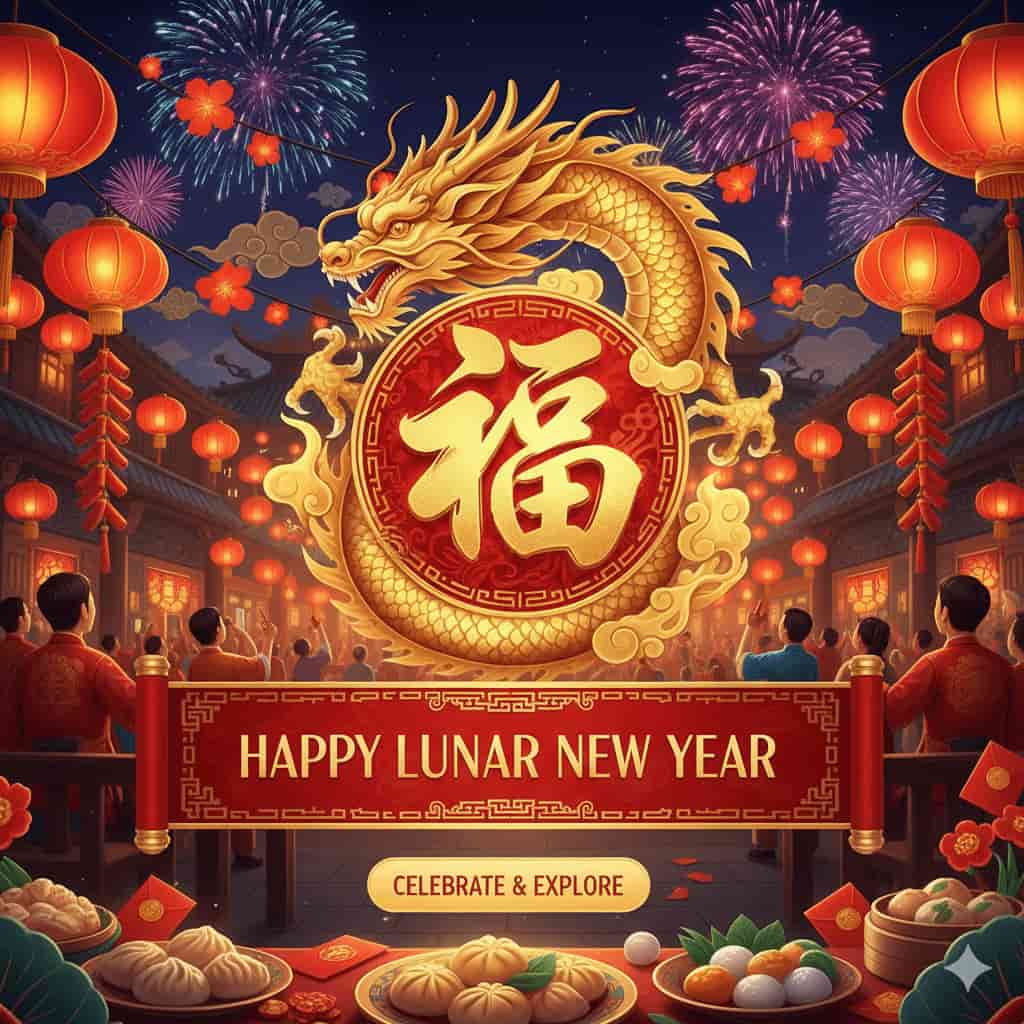
Beyond the Dragon Dance: The Ultimate Chinese New Year Quiz & Cultural Deep Dive
Alright, culture connoisseur and quiz champion—step right up. You’ve seen the parades, you’ve maybe eaten a dumpling or twelve, and you definitely know it’s not called “Chinese Christmas.” But how deep does your rabbit hole of Lunar New Year knowledge really go? Is it “fortune cookie deep” or “ancient divination text deep”? This isn’t just another list of facts. This is your chance to spar with tradition, outsmart superstition, and discover the hilarious, profound, and utterly human stories behind the world’s most vibrant celebration. Consider this your friendly, slightly mischievous guide through the firecrackers and red envelopes. Ready to test your mettle? Let’s start with a little interactive warm-up.
⚡ Quick Fortune
Choose a category for instant guidance
Love
Career
Health
Money
See? The fun has already begun. At ChineseFate, we believe understanding culture is a conversation, not a lecture. So, buckle up. We’re about to embark on a 3000-word journey that’s part history lesson, part personality test, and part cross-cultural comedy hour. We’ll unpack the “why” behind the what, compare Eastern and Western thinking, and yes, challenge you with the ultimate Chinese New Year quiz woven right into the narrative. No pressure—but your honorary title of “Lunar Lore Master” is on the line.
Chapter 1: The Calendar Clash – Why Your Birthday is Lying to You
First, let’s tackle the big one: the calendar. Most Westerners live and die by the Gregorian sun calendar. Your birthday is fixed. New Year’s Day is always January 1st. Simple, right? The traditional Chinese Lunar Calendar operates on a different wavelength—literally. It’s a lunisolar calendar, a breathtakingly complex dance between the moon’s phases and the sun’s position. New Year kicks off on the second new moon after the winter solstice. This means the date slides between January 21 and February 20. Your “lunar birthday” shifts annually. Mind-bending? Absolutely. But it reflects a core philosophical difference: the West often seeks fixed points; traditional Chinese thought embraces fluid, cyclical patterns. This isn’t a bug; it’s a feature of a worldview that sees time as a repeating spiral of energy, not a straight arrow.
Quiz Time: The Calendar Conundrum
Question 1: If the Year of the Rabbit began on January 22, 2023, and the lunar cycle is roughly 29.5 days, which of the following is the least likely date for the next Chinese New Year’s Eve?
- A) February 8th
- B) January 31st
- C) February 18th
- D) February 21st
(The answer, and the fascinating reason why, is at the end of this section. No peeking!)
This cyclical nature is why your Chinese Zodiac animal matters more than just a cute birthday card. It’s tied to this rolling, celestial clockwork. While Western astrology focuses on the month (your sun sign), Chinese zodiac signs are assigned by the year of your birth, speaking to your generational vibe and core life energy. It’s the difference between “What’s your sign?” and “What’s your entire cohort’s cosmic animal?”
Answer to Quiz 1: D) February 21st. Why? Because the period between possible New Year dates is a “window,” not a random scatter. The second new moon after the winter solstice will never be that late. The latest recorded date is February 20th. This question tests your understanding of the “lunisolar rule” boundary! Give yourself a point if you got it.
🐲 Zodiac Calculator
Enter your birth year to discover your Chinese zodiac animal
Chapter 2: Symbolism Smackdown – It’s Not Just “Lucky Red”
Red envelopes. Red lanterns. Red everything. The Western explanation usually stops at “red is lucky.” Well, sure, but that’s like saying “water is wet.” Let’s dive deeper. The obsession with red stems from the legend of Nian, a terrifying beast afraid of the color red and loud noises. But the symbolism is layered like a good lasagna.
| Symbol | Surface-Level Meaning (The Fortune Cookie Answer) | Deeper Cultural & Historical Meaning (The Banquet Answer) | Modern, Cross-Cultural Twist |
|---|---|---|---|
| The Color Red | Good luck, happiness. | Originally a talisman against evil (Nian). Represents fire, the south, summer, and the heart in Chinese medicine—vitality itself. | In Western branding, red signals “sale” or “danger.” In CNY context, it’s a protective, joyful social signal. A fascinating cognitive clash! |
| Firecrackers | Noisy celebration. | Literally meant to scare away evil spirits and bad luck with sound and smoke (a form of spiritual fumigation). | Today’s urban noise restrictions vs. ancient spiritual necessity. The rise of LED “silent firecrackers” is a perfect modern adaptation. |
| Fish (Yú) | Abundance. | A homophone for “surplus” (余). The belief is eating it brings surplus wealth for the year. It’s served whole, with head and tail, symbolizing a good start and finish. | Compare to the Western “lucky penny” or “rabbit’s foot.” Both are symbolic, but the Chinese example is deeply integrated into language and ritual meal structure. |
| Spring Couplets | Poetic decorations. | Originated from peachwood charms used to ward off evil. The poems are specific wishes for health, career, and family, placed on doorways to invite those energies in. | Think of them as your annual, custom-written, hyper-specific Instagram bio… but for your front door, and with 2000 years of literary tradition behind it. |
See? Every tradition is a sentence in a long, ongoing story. When you understand the “why,” the “what” becomes infinitely more interesting. This layered thinking is central to Chinese astrology and fate analysis—nothing is ever just one thing.
Chapter 3: The Foodie’s Guide to Metaphysical Snacking
If you think Thanksgiving is about food, you haven’t experienced a Chinese New Year’s Eve reunion dinner. Every dish is a pun, a prayer, or a portent. It’s a meal where your menu is your manifesto for the coming year.
Quiz Time: The Culinary Codex
Question 2: Sticky Rice Cake (Nián Gāo) is eaten for good luck. What is the homophonic pun that makes it so auspicious?
- A) It sounds like “year high,” implying年年高升 (a promotion every year).
- B) It sounds like “sticky year,” implying your luck will stick to you.
- C) It sounds like “expensive cake,” implying you will become rich.
- D) It sounds like “happy cake,” implying general joy.
This is the magic of the language. The answer is A. “Nián Gāo” (粘糕/年糕) is a perfect homophone for “year high” (年高). Eating it is literally consuming the wish for upward mobility. It’s edible ambition. Compare this to Western “lucky foods”—like black-eyed peas for prosperity in the American South. Both use food as symbolic magic, but the Chinese system is intricately tied to linguistic play, making it a unique cultural artifact.
From whole fish (for abundance) to dumplings (shaped like ancient gold ingots), the dinner table is a landscape of hopes. It’s less about calorie counting and more about blessing counting. For a full exploration of this delicious symbolism, check out our Ultimate Chinese New Year Menu Guide.
Chapter 4: The Zodiac Zoo – Your Animal’s Hidden Agenda
Ah, the famous 12 animals. But if you think being a Dragon just means you’re awesome (you are, but still), you’re missing 90% of the story. Each animal is a complex archetype filtered through the lens of Yin/Yang and the Five Elements (Wood, Fire, Earth, Metal, Water). A Wood Rat (born 1984) is a very different creature from a Fire Rat (1996).
Let’s look at a data-driven insight we’ve observed at ChineseFate. By analyzing common career paths and personality surveys from our community (anonymized, of course!), we see fascinating, non-horoscope patterns.
| Zodiac Animal | Classical Trait | Observed Modern Career/Path Tendency | Cross-Cultural Personality Analog (e.g., MBTI-ish) |
|---|---|---|---|
| Ox (牛) | Diligent, dependable, stubborn. | Over-represented in engineering, project management, and skilled trades. Excel in structured, build-over-time environments. | The “ISTJ” of the zodiac. The reliable architect. |
| Monkey (猴) | Witty, inventive, mischievous. | Frequent in marketing, tech startups, sales, and comedy. Thrives in dynamic, problem-solving roles requiring quick thinking. | The “ENTP” – the clever debater and innovator. |
| Rabbit (兔) | Gentle, artistic, cautious. | Often found in design, counseling, diplomacy, and arts. High emotional intelligence; avoids direct conflict. | The “INFP” or “ISFJ” – the empathetic mediator and creator. | Rooster (鸡) | Observant, hardworking, flamboyant. | Drawn to public-facing roles, fashion, journalism, and event planning. Has a knack for presentation and detail. | The “ESFJ” – the supportive, organized contributor who loves a center stage. |
This isn’t fate in a deterministic sense. It’s more like your animal sign suggests your innate “operating system.” A Tiger isn’t doomed to be reckless; they’re naturally gifted with courage, which can be channeled into entrepreneurship, activism, or leading a team. Understanding this is a tool for self-awareness, not a prison sentence. Curious about your own year? Dive into our detailed guide to the Chinese Zodiac cycle.
📅 Daily Horoscope
Select your zodiac sign to get personalized predictions for today
♈
Aries
♉
Taurus
♊
Gemini
♋
Cancer
♌
Leo
♍
Virgo
♎
Libra
♏
Scorpio
♐
Sagittarius
♑
Capricorn
♒
Aquarius
♓
Pisces
Chapter 5: Taboos & Superstitions – The “Don’t” List for a Lucky Year
Now for the fun part: the things you’re NOT supposed to do. Chinese New Year taboos are a masterclass in sympathetic magic and linguistic avoidance. They’re the cultural equivalent of not walking under a ladder, but with more historical backstory.
Quiz Time: The Taboo Trap
Question 3: Why is it considered terrible luck to wash your hair on New Year’s Day?
- A) You’ll wash away your good fortune.
- B) It’s disrespectful to ancestors who couldn’t bathe regularly.
- C) The word for “hair” (发, fà) is a homophone for “prosperity” in the word 发财 (fācái). Washing it is washing away wealth.
- D) It’s simply too cold in ancient times, so it became a health-related taboo.
The most culturally specific answer is C. It’s all about the homophone “fà.” You don’t want to literally rinse your “fa” (prosperity) down the drain! This shows how superstition is often logic dressed in linguistic puns. Other classic taboos include: no sweeping (you’ll sweep out wealth), no crying children (sets a bad tone for the year), and absolutely no breaking things (obvious, but also symbolizes a broken connection to fortune).
For Westerners, this can feel like a minefield. The key is intent. These practices are about mindfully setting a positive, unbroken, prosperous tone for the year ahead. It’s proactive psychology disguised as folklore.
Chapter 6: The Grand Finale – Your Ultimate Chinese New Year Quiz
You’ve made it. You’ve absorbed the cycles, decoded the symbols, and sidestepped the taboos. Now, it’s time for the main event. This isn’t a trivial pursuit. It’s a Chinese New Year quiz designed to separate the casual observer from the cultural sleuth. Good luck!
The Ultimate Chinese New Year Quiz
- The “Guanxi” Starter: What is the MOST appropriate amount of money to put in a red envelope for your colleague’s child?
- A) Any amount with odd numbers (like $5).
- B) Any amount with even numbers (like $20).
- C) An amount that avoids the number 4.
- D) Both B and C.
- The Historical Deep Cut: Before paper money, what was often placed inside early versions of “red envelopes”?
- A) Coins strung on red string.
- B) Jade charms.
- C) Written blessings from elders.
- D) Grains of rice for fertility.
- The Zodiac Mix-Up: According to the most common legend, why isn’t the Cat in the Chinese Zodiac?
- A) Cats were considered lazy and missed the Jade Emperor’s race.
- B> The Rat tricked the Cat, making it miss the race, starting an eternal feud.
- C) Cats were sacred and above such a mundane ranking.
- D) The Cat was disqualified for cheating.
- The Modern Adaptation: Which of these is a REAL, modern tech adaptation of a CNY tradition?
- A) Digital red envelopes sent via messaging apps (WeChat, etc.).
- B) VR dragon dance simulations.
- C) AI-generated spring couplets.
- D) All of the above.
- The Philosophical Finisher: The 15-day festival culminates in the Lantern Festival. What does the act of releasing a lantern symbolize?
- A) Letting go of the past year’s troubles.
- B> Sending wishes and prayers to the heavens.
- C) Guiding ancestral spirits back to the world.
- D) All of the above, representing a beautiful, multi-layered conclusion.
Answers: 1. D (Even numbers are lucky, 4 is homophone for death). 2. A (Coins on a string). 3. B (The classic Rat-Cat feud myth). 4. D (All are real and widely used!). 5. D (It’s the ultimate symbolic release).
How did you do? 5/5? You’re a Lunar Lore Master. 3/5? A savvy cultural enthusiast. Even 1/5 means you’re now more informed than 99% of people who just enjoy the fireworks.
Conclusion: Your Personal New Year, Your Way
So, what’s the point of all this? It’s not to pass a test or memorize rules. It’s to unlock a richer, more connected way of seeing the world. The traditions of Chinese New Year—from the explosive Spring Festival celebrations to the quiet symbolism of food—offer a masterclass in intentionality. They teach us to mark time with meaning, to infuse our actions with hope, and to connect with family and community in a profound, ritualized way.
Whether you’re a fiery Tiger seeking your next adventure, a steady Ox building your legacy, or a harmonious Rabbit creating beauty, these ancient cycles have something to say to your modern life.
The real quiz isn’t on this page. It’s the one you give yourself. What do you want to invite into your year? What energy do you want to embody? What old “luck” do you need to release? Use these stories, symbols, and a bit of that playful quiz spirit as your guide.
Ready to go deeper? Discover the specific forecast for your own zodiac sign in the dynamic Year of the Fire Horse (2026). Explore your personalized Chinese Horoscope, or learn how to calculate the zodiac signs for your entire family. At ChineseFate, we’re here to be your curious, knowledgeable companion on this journey through culture, fate, and fun. Your next insight is just a click away.