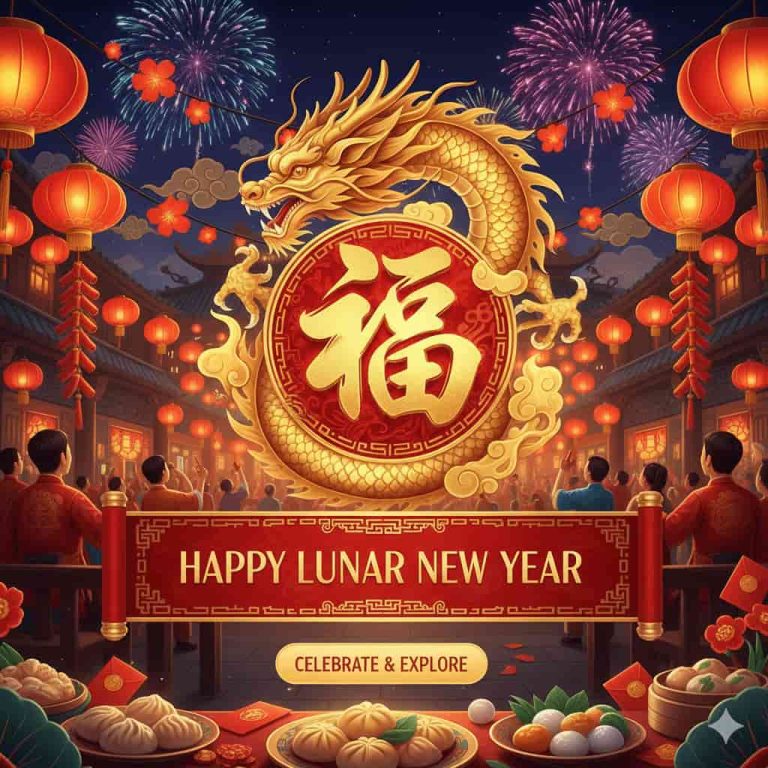
Discover your Chinese zodiac and Chinese New Year、Chinese Calendar in this place

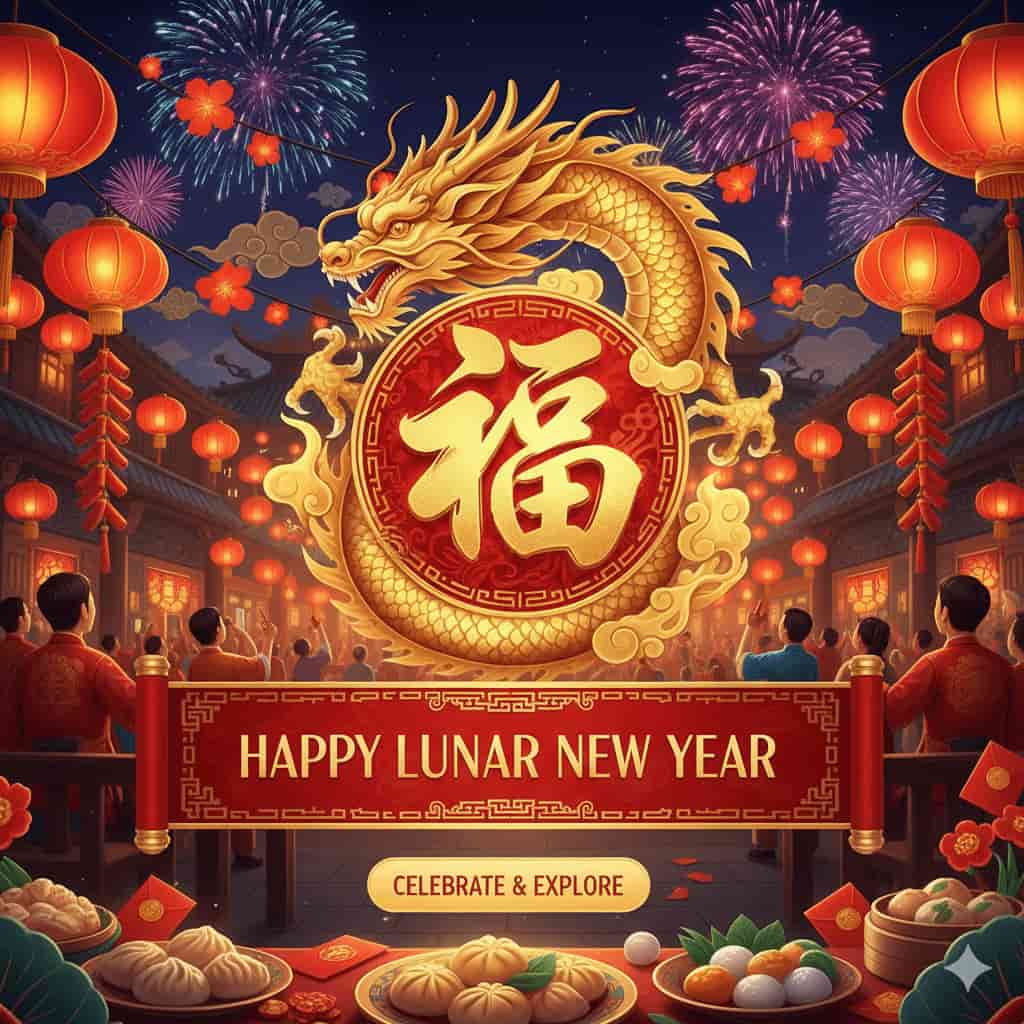
Chinese New Year (also called Spring Festival) is the biggest holiday in Chinese culture. Most people outside China know about fireworks, red decorations, and family reunions. However, there is a crucial period before the festival called Là Yuè (腊月) — the 12th month of the lunar calendar.
In China, people often say:
“Là Yuè is the busiest month of the year.”
It’s a time to clean the home, settle debts, prepare food, and make everything ready for a fresh start. For overseas readers, understanding Là Yuè is the key to truly appreciating the depth and purity of Chinese New Year culture.
🐲 Zodiac Calculator
Enter your birth year to discover your Chinese zodiac animal
What Does “Là Yuè” Mean?
Là Yuè literally means “the month of preserved meat.” In ancient China, people would prepare and preserve food for the winter during this month. Over time, it evolved into a full cultural preparation period before the new year.
Today, in modern China and in overseas Chinese communities, Là Yuè remains a time of deep preparation, where families do everything they can to start the new year clean, organized, and lucky.
10 Things People Do During Là Yuè
1. Deep Cleaning the House (大扫除)
Before the new year begins, families do a thorough cleaning called “Da Sao Chu.” This is not just regular cleaning — it is a symbolic act of removing bad luck and making space for good luck.
Typical tasks include:
-
Washing floors and windows
-
Dusting every corner
-
Organizing and discarding old items
-
Cleaning the kitchen and bathroom carefully
Cultural meaning:
Cleaning is a symbolic “reset.” People believe that a clean home invites good fortune, while old dust represents the old year’s misfortune.
📌 Important note:
After New Year’s Day, people avoid sweeping or cleaning too much, because they believe it may “sweep away good luck.”
2. Paying Off Debts and Settling Accounts (还债 / 结账)
In Chinese culture, starting the new year with debts is considered unlucky. Therefore, people try to settle all financial matters in Là Yuè:
-
Pay off loans
-
Clear bills
-
Settle debts with friends and relatives
Cultural meaning:
This reflects the Chinese value of closing the old year properly and starting fresh with a clean slate.
🎨 Lucky Colors
Colors that bring you luck today
Red
Blue
Gold
Green
Purple
Black
3. Buying New Clothes and Shoes (买新衣 / 新鞋)
New clothes symbolize a fresh start. During Là Yuè, families often buy:
-
Bright colored clothes
-
New shoes
-
New accessories
Why it matters:
Wearing new clothes on New Year’s Day symbolizes renewal and good fortune.
4. Preparing New Year Supplies (备年货)
Food is central to Chinese New Year. People prepare New Year supplies, such as:
-
Dried fruits
-
Snacks
-
Candy boxes
-
Rice cakes (年糕)
-
Meat and fish
Overseas Chinese communities often buy these items from local Asian supermarkets in January. Many families also prepare special holiday gift packages to share with friends and relatives.
5. Making Dumplings and New Year Dishes (包饺子 / 做年夜饭)
Food is not just food — it is a symbol.
In northern China, families make dumplings because they look like ancient Chinese money, symbolizing wealth.
In southern China, families make sticky rice cakes or buy tangerines, symbolizing prosperity and luck.
Cultural meaning:
The “reunion dinner” is the heart of Chinese New Year. It symbolizes family unity, gratitude, and hope.
6. Decorating the House (贴春联 / 挂灯笼)
Red is the dominant color of Chinese New Year. During Là Yuè, people decorate with:
-
Red lanterns
-
Spring couplets (red paper with blessing phrases)
-
“Fu” (福) character posters
-
Paper cuttings
In many overseas cities, Chinatown streets become full of red decorations, creating a strong cultural atmosphere.
Cultural meaning:
Red is believed to drive away evil spirits and bring good luck.
Mystic Dice Oracle
Roll the sacred dice to discover your fate
🎲
🎯
⭐
🌟
💫
🔮
🎲 Roll the Mystic Dice
Touch the dice to let fate decide your fortune
Consultations: 0
Dice Oracle
Consulting...
The mystic dice are rolling your fortune...
Please wait while the sacred dice reveal your destiny
7. Preparing Red Envelopes (红包)
Red envelopes are a key tradition. People prepare them in advance for:
-
Children
-
Family members
-
Close friends
Red envelopes represent luck, blessings, and generosity.
8. Visiting Temples and Praying for Good Luck (拜神 / 祈福)
Many people visit temples to pray for good fortune:
-
Light incense
-
Make offerings
-
Ask for blessings
Overseas Chinese communities also organize temple events during this period, allowing people abroad to experience traditional rituals.
9. Family Reunion and Travel (回家 / 返乡)
The most important part of Chinese New Year is family reunion. People plan:
-
Flights and train tickets
-
Family gatherings
-
Home visits
For overseas Chinese, returning home can be a long journey, but it reflects the deep cultural value of family unity.
10. Paying Respect to Ancestors (祭祖 / 祭拜)
Before the new year, many families honor their ancestors by:
-
Visiting graves
-
Offering food and incense
-
Remembering family history
Cultural meaning:
This tradition reflects the deep Chinese value of respect for ancestors and family roots.
A Traditional Chinese New Year Song: “忙年歌” (The Busy New Year Song)
To show the purest and deepest Chinese cultural spirit, here are two authentic versions of the famous folk song “忙年歌”, from Beijing and Shandong. They describe the busy preparation during Là Yuè in a poetic and rhythmic way.
Beijing Version (北京忙年歌)
Original Chinese Lyrics
小孩,小孩,你别馋,过了腊八就是年。
腊八粥,过几天,漓漓拉拉二十三。
二十三,糖瓜粘,二十四,扫房子,
二十五,做豆腐,二十六,炖猪肉,
二十七,宰年鸡,二十八,把面发,
二十九,蒸馒头,三十晚上熬一宿,
大年初一扭一扭,除夕的饺子年年有。
English Explanation (Simple & Clear)
This rhyme is a countdown to Chinese New Year. It describes the traditional tasks people do in the final days of the lunar year:
-
Làbā porridge (a traditional festival food)
-
Sugar melon candy (sweet snack)
-
House cleaning
-
Making tofu
-
Cooking pork
-
Slaughtering a chicken
-
Preparing dough and steamed buns
-
Staying up all night on New Year’s Eve
-
New Year’s Day celebration with dumplings
This rhyme shows the pure essence of Chinese New Year: family preparation, food, and celebration.
📅 Daily Horoscope
Select your zodiac sign to get personalized predictions for today
♈
Aries
♉
Taurus
♊
Gemini
♋
Cancer
♌
Leo
♍
Virgo
♎
Libra
♏
Scorpio
♐
Sagittarius
♑
Capricorn
♒
Aquarius
♓
Pisces
Shandong Version (山东忙年歌)
Original Chinese Lyrics
腊八粥,熬几天,哩哩啦啦二十三,
二十三,糖锅粘,二十四,扫房日,
二十五,推煤鼠,二十六,炖猪肉,
二十七,宰公鸡,二十八,把面发,
二十九,蒸馒头,三十晚上熬一宿,
大年初一扭一扭。
English Explanation
In Shandong, people also use a similar rhyme. It emphasizes the same idea:
the last days of the lunar year are full of preparation, cooking, and cleaning.
Why “忙年歌” Is So Important
“忙年歌” is not just a children’s song. It is a cultural memory passed down through generations. It turns everyday chores into rhythm and tradition, allowing families to remember and celebrate the meaning of Chinese New Year.
This is the purest part of Chinese culture:
no complex theories, just daily life as culture.
FAQ (Frequently Asked Questions)
Q1: What is Là Yuè and why is it important?
A: Là Yuè is the 12th month of the lunar calendar. It is the preparation month before Chinese New Year. Families clean, buy supplies, settle debts, and prepare for the new year.
Q2: Why do people clean the house before New Year?
A: Cleaning removes old bad luck and makes space for good luck. After New Year’s Day, people avoid sweeping to prevent “sweeping away good fortune.”
Q3: Why do Chinese people give red envelopes?
A: Red envelopes (红包) symbolize good luck and blessings. They are usually given to children and younger family members.
Q4: What food is essential during Chinese New Year?
A: Different regions have different traditions, but common foods include dumplings, rice cakes, fish, and various sweets. Each food symbolizes good luck, wealth, and happiness.
Q5: What is the most meaningful part of Chinese New Year?
A: Family reunion and respect for ancestors. Chinese New Year is about family unity, gratitude, and a fresh start.
🎨 Lucky Colors
Colors that bring you luck today
Red
Blue
Gold
Green
Purple
Black
Conclusion
Chinese New Year is more than fireworks and red decorations. It is a deep cultural tradition rooted in family, respect, and renewal. Là Yuè is the purest preparation period that shows the heart of Chinese culture: cleaning the past, settling the old, and welcoming the new.
If you want to experience authentic Chinese culture, the best time to observe is not just the New Year day — but the entire month of Là Yuè.