Discover your Chinese zodiac and Chinese New Year、Chinese Calendar in this place

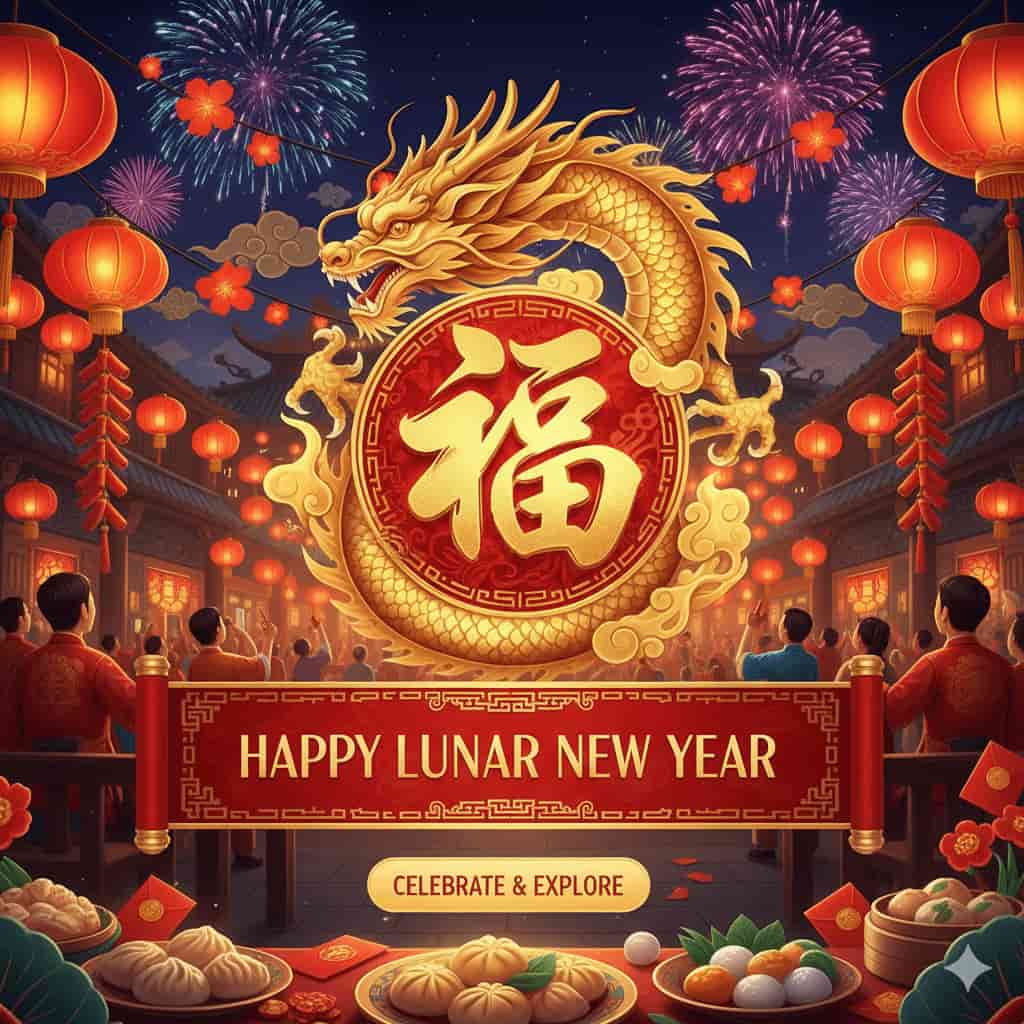
Chinese Spring Festival: More Than Just Firecrackers and Dumplings
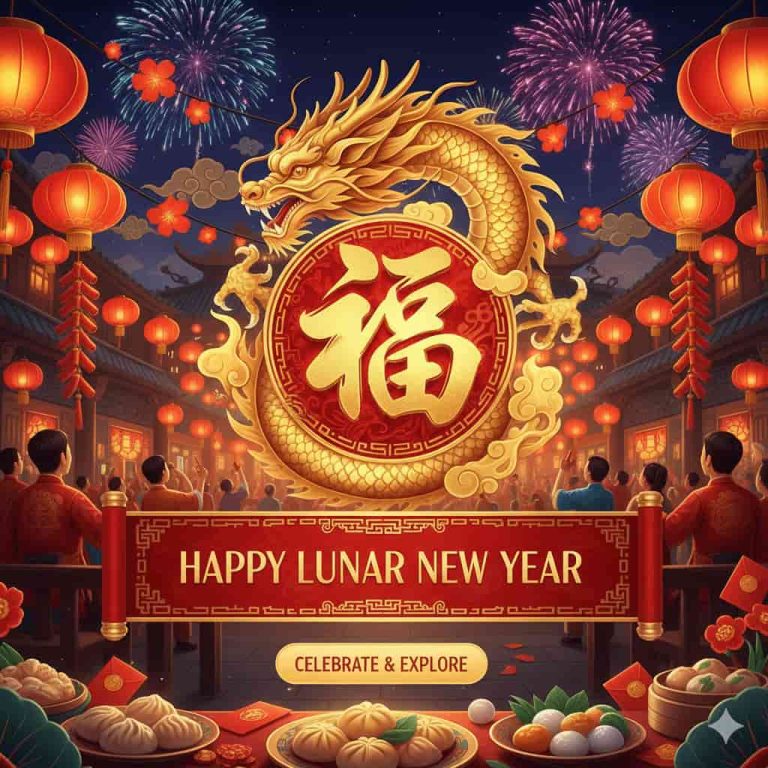
So, you’ve heard about the Chinese Spring Festival, maybe seen some dragon dances or gotten a lucky red envelope. But let’s be real, there’s a whole lot more to it than just the world’s biggest annual human migration and fantastic food (though the food is a major, major perk). Known globally as Lunar New Year or Chinese New Year, the Spring Festival is the heavyweight champion of holidays in Chinese culture. It’s a time of reset, reunion, and hoping the zodiac is on your side for the coming year. Think of it as New Year’s Eve, Thanksgiving, Christmas, and a massive family reunion all rolled into one explosive, red-and-gold package. Here at ChineseFate, we’re all about peeling back the layers of tradition, so let’s unpack what makes this festival tick, from its ancient roots to the modern-day celebrations.
Mystic Dice Oracle
Roll the sacred dice to discover your fate
🎲
🎯
⭐
🌟
💫
🔮
🎲 Roll the Mystic Dice
Touch the dice to let fate decide your fortune
Consultations: 0
Dice Oracle
Consulting...
The mystic dice are rolling your fortune...
Please wait while the sacred dice reveal your destiny
What’s in a Name? From Nian to New Year
The story of the Spring Festival starts with a monster. No, really. Legend has it that a terrifying beast named Nian (which means “year”) would emerge from the sea or mountains every winter to feast on villagers and their grain. People discovered that Nian was scared of the color red, loud noises, and fire. So, they started pasting red paper on their doors, setting off firecrackers (the ancient version of banging pots and pans), and keeping lights on all night to scare it away. The day they successfully defeated Nian became known as “Guo Nian” – to “pass the year” or “overcome Nian.” This myth is the dramatic origin story for so many customs we see today. It’s less about a literal monster now and more about symbolically scaring away bad luck and misfortune to welcome a prosperous new beginning.
A Calendar Affair: Why the Date Always Changes
If you’ve ever been confused about why the Chinese Spring Festival jumps around between January and February on your Gregorian calendar, you can blame (or thank) the moon. The festival is calculated based on the traditional lunisolar calendar. It falls on the second new moon after the winter solstice, which typically lands between January 21st and February 20th. This 15-day celebration kicks off on New Year’s Eve and culminates with the Lantern Festival on the 15th day of the first lunar month. The entire period is a carefully choreographed sequence of rituals, each day with its own significance, from honoring deities to visiting family. It’s a masterclass in timekeeping and tradition.
The Zodiac’s Big Night: Your Annual Animal Update
This is where the Chinese Spring Festival and ChineseFate’s favorite topic collide spectacularly. Each Lunar New Year is governed by one of the 12 Chinese Zodiac animals in a repeating cycle. The animal of the year is believed to influence global energy and individual fortunes. For instance, 2026 will be a Year of the Fire Horse, promising a vibe of dynamic energy, adventure, and maybe a little unpredictability. Knowing your own zodiac sign (based on your lunar birth year) helps you understand your compatibility with the year’s energy. Are you a Rat who thrives in a Horse year’s fast lane, or a Rabbit who might prefer to watch the action from a cozy corner? The festival is the moment the cosmic clock resets, offering a fresh start under a new animal’s reign.
🐲 Zodiac Calculator
Enter your birth year to discover your Chinese zodiac animal
Festival Must-Dos: A Crash Course in Tradition
So, how do you actually “do” the Chinese Spring Festival? It’s a mix of profound ritual and pure fun. Here’s the unofficial checklist:
The Great Cleanse: Before New Year’s Eve, families engage in a thorough house cleaning, sweeping away any lingering bad luck from the old year. But beware! On New Year’s Day itself, you must NOT sweep, or you might sweep your new luck right out the door.
The Feast of Reunion: New Year’s Eve dinner is the most important meal of the year. Families gather, often traveling immense distances, for a lavish feast. Dumplings (jiaozi) in the north symbolize wealth because they look like ancient gold ingots. A whole fish (yu) is served but not fully eaten, as the word for “fish” sounds like “surplus,” wishing for abundance in the year ahead.
Red Everything: Red decorations, red clothes, red envelopes (hongbao). Red is the color of fire, vitality, and good fortune, the ultimate Nian-repellent. Elders give hongbao filled with money to children and unmarried younger adults to pass on blessings and ward off evil spirits.
Lion & Dragon Dances: The thrilling, percussion-heavy street performances are more than just spectacle. The loud drums and agile movements are believed to dispel negative energy and attract prosperity for businesses and communities.
Modern Twists on Ancient Celebrations
The Chinese Spring Festival has evolved brilliantly. While the core values of family and fortune remain, technology has woven itself into the fabric of the holiday. Digital red envelopes fly through apps like WeChat, connecting families across oceans. CCTV’s New Year’s Gala is a televised extravaganza watched by hundreds of millions, a shared cultural touchstone. For those unable to travel, video call reunion dinners are becoming a heartfelt norm. The festival shows that tradition isn’t static; it’s a living, breathing practice that adapts while holding fast to its soul.
🎨 Lucky Colors
Colors that bring you luck today
Red
Blue
Gold
Green
Purple
Black
Beyond China: A Truly Global Celebration
Calling it just the “Chinese” Spring Festival is almost an understatement now. From the vibrant parades in San Francisco and London to the official public holidays in Singapore, Malaysia, and Vietnam (where it’s called Tết), Lunar New Year is a worldwide phenomenon. It’s a beautiful testament to the diaspora and the universal appeal of its themes: hope, renewal, and coming together. Whether you’re enjoying a public light-up or being invited to a friend’s family dinner, it’s a celebration that welcomes participation and sharing of joy.
Your Spring Festival Takeaway
At its heart, the Chinese Spring Festival is a powerful, multi-sensory ritual for resetting life’s clock. It connects the past to the present through story and custom, families to each other across distances, and individuals to the larger cosmic rhythm of the Chinese zodiac. It’s about honoring where you come from while boldly stepping into what’s next, armed with dumplings, good wishes, and maybe a lucky red envelope or two. However you choose to acknowledge it—by learning about your zodiac forecast for the new year, trying to make dumplings, or simply saying “Xīnnián kuàilè!” (Happy New Year!)—you’re tapping into a millennia-old stream of human optimism. And that’s something worth celebrating.